Dark clouds loom as Xbox Cloud Gaming retires TV apps
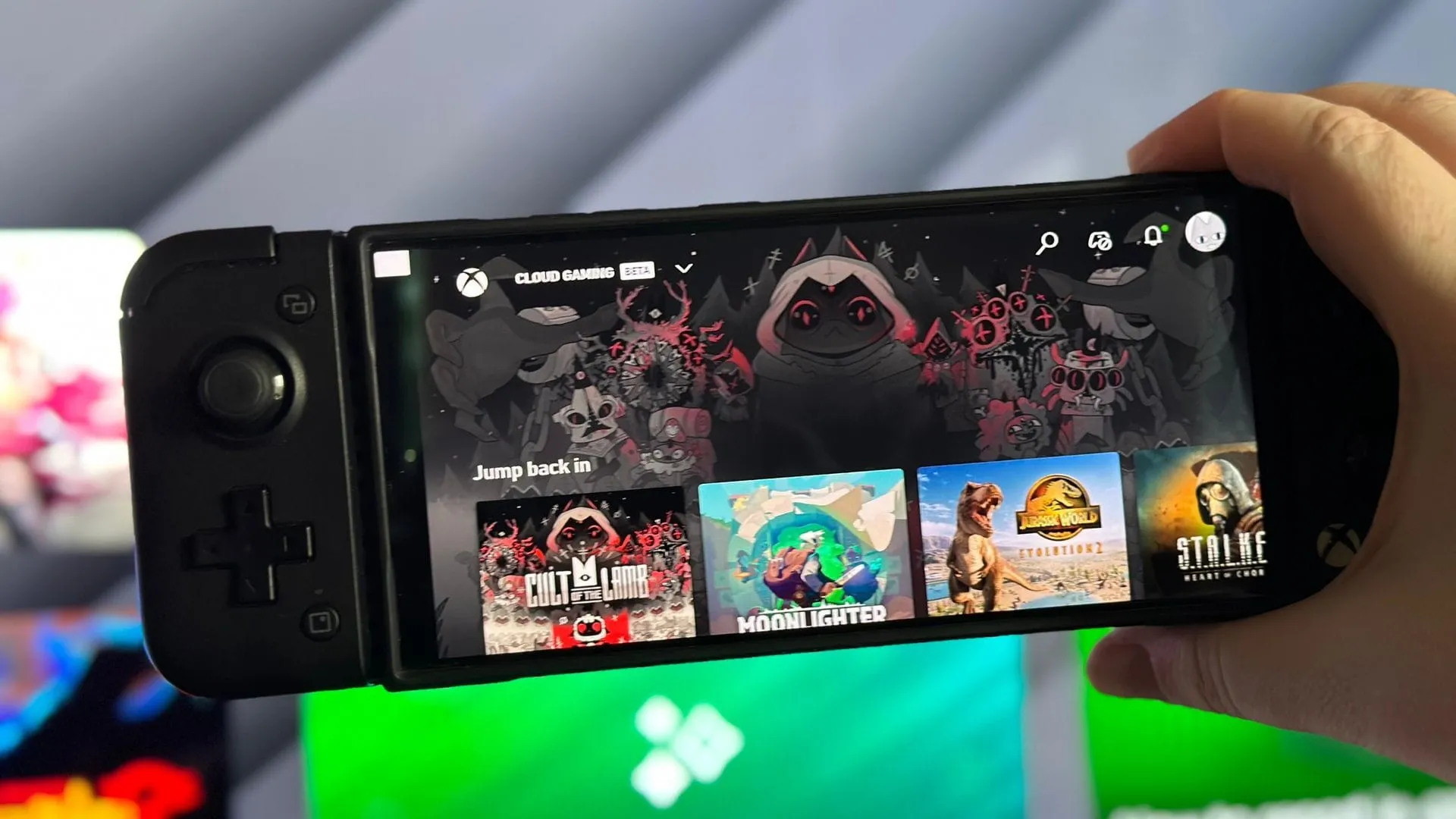
Microsoft’s recent maneuvering around Xbox Cloud Gaming has painted a complex picture of a company grappling with the future of gaming distribution. What began as an all-in commitment to cloud streaming has recently transitioned into a strategic retreat, leaving many to wonder about the long-term viability of the cloud gaming model itself.
At one point, the marketing surrounding Xbox Cloud Gaming was electric. Campaigns suggested that traditional Xbox consoles were obsolete, pushing the narrative that devices like the Samsung Smart Fridge were far superior gaming hubs. This enthusiasm was fueled by promises of seamless, remote play, and even hardware developments, such as leaks concerning a new controller designed for low-latency, direct-to-WiFi streaming capabilities.
However, the landscape is shifting rapidly. Amid the broader economic pressures of the RAMpocalypse and the intense demand for data center space focused on AI tokens, the viability of large-scale cloud gaming services has come under scrutiny. The narrative has quietly pivoted away from unlimited access toward tighter, more restrictive controls.
This shift is evident in operational changes. Microsoft introduced hourly limits on Xbox Cloud Gaming, capping access at 15 hours per month at the highest tier, and introduced piecemeal hourly passes for further usage. More dramatically, the company has begun phasing out access on specific third-party hardware. For instance, Microsoft announced that support for Xbox Cloud Gaming will be removed from some devices, specifically 2020 Samsung Smart TVs, effective November 3rd.
The stated reason for these device exclusions is a compatibility issue, citing incompatibility with operating system versions. While this explanation is offered, it raises questions about the true motivations. Some observers speculate that these limitations might be related to efficiency or bandwidth management rather than pure technical incompatibility.
The ongoing debate centers on whether this move signals a fundamental realization: that the current business model for cloud gaming, while exciting in theory, may simply not be sustainable in the current market climate. The question becomes: is Microsoft aiming to shift users back toward ownership—perhaps encouraging an upgrade to an Xbox console—or is it simply managing the operational costs associated with an increasingly demanding service.
In a world where the focus is increasingly on subscription services, the conversation is evolving. The move suggests a potential pivot: perhaps the smarter long-term strategy isn’t streaming games, but mastering the ecosystem of services, making the choice between ownership and access a more compelling one than ever before.
Buy on Amazon
Credit
