Data centers in space: Robot RAM needs will exceed Earth
For the past year, the world has been grappling with a global memory shortage, a situation that has sent prices for essential PC components soaring. The root cause? The insatiable hunger of artificial intelligence data centers. While we waited for the inevitable correction in demand to ease the pressure, a new, wilder theory is emerging: the next massive strain on the memory market won’t come from servers, but from the silicon brains of our future workforce.
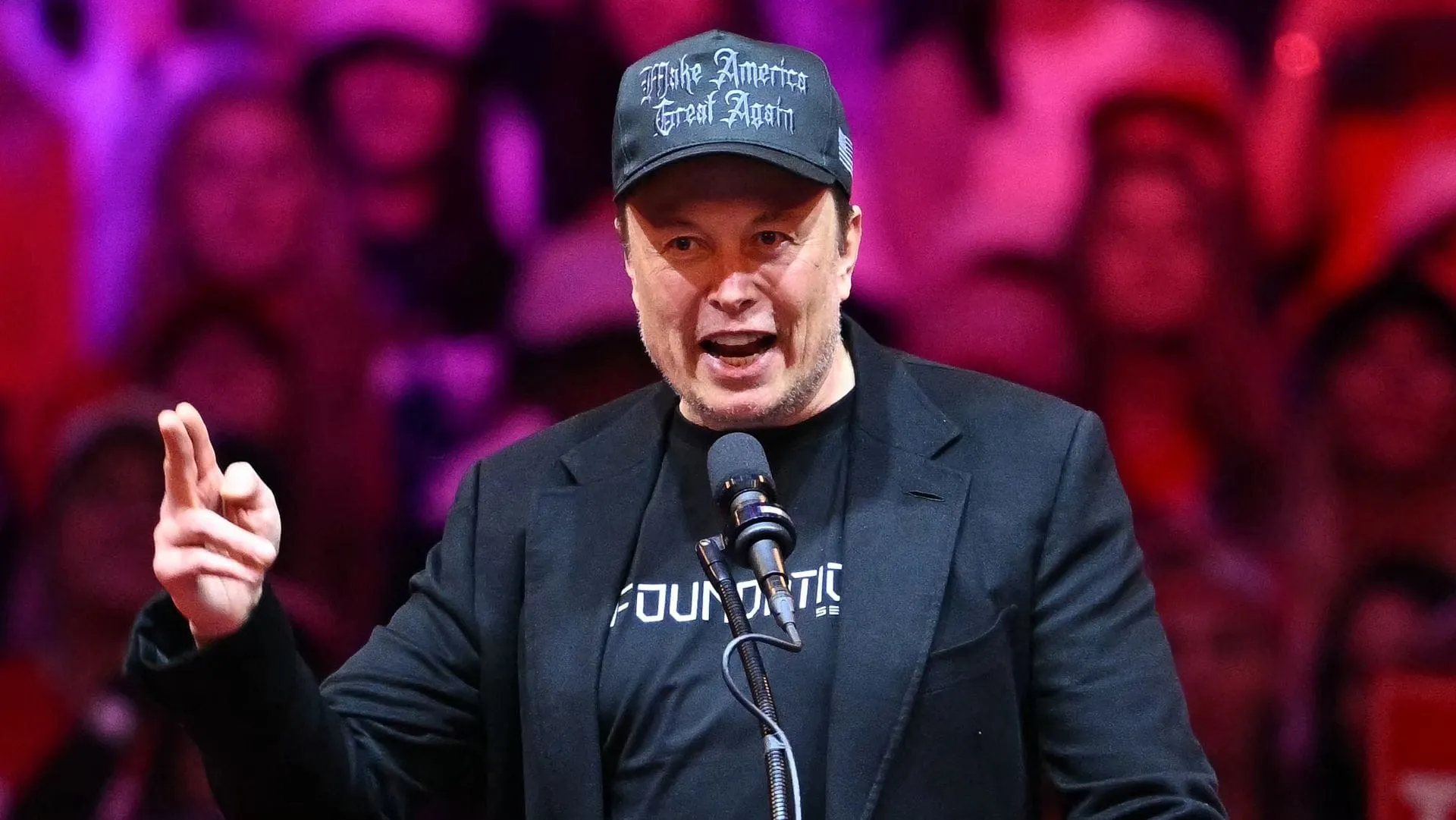
The speculation is fueled by some bold claims, notably from tech titans. Elon Musk, CEO of Tesla and SpaceX, has suggested that the need for memory in humanoid robots will soon eclipse all other demands on Earth. While this sounds like pure science fiction, the underlying concern is very real: what if the next computational leap doesn’t just demand more memory, but demands it exponentially?
This idea is backed by some intriguing research. A study, reportedly from Counterpoint, posits that by the year 2030, humanoid robots could require twenty times more DRAM than they do today. This massive predicted increase paints a striking picture of future computational needs, hinting at a future where physical intelligence is just around the corner.
The numbers involved are staggering. Current estimates for the DRAM demanded by “humanoid robot brains” are already high, sitting at 8,300 Terabits. If the 20x growth projection holds true, this figure could balloon to 172,000 Terabits by 2030. To put this into perspective, the current global DRAM capacity is estimated at about 40 exabytes (EB). Even with this predicted growth, the robots’ demand would still represent a mere fraction of the total global memory supply, suggesting that they won’t be the sole cause of a total market collapse.
However, the implication is clear: if these predictions are accurate, the sheer scale of future computational requirements demands a radical rethinking of where we house our data. This lines up with the notion that moving massive AI data centers into space might be less an optional luxury and more a necessity for dealing with future demands.
Ultimately, the memory shortage is a multifaceted problem, tied to the current AI bubble and the relentless pace of technological evolution. But as we look toward a future populated by sophisticated robotic entities, it’s time to consider not just how much memory we need, but how we can manage the future computational landscape.
Buy on Amazon
Credit
