Dawnwalker sequel avoids controversial time mechanic
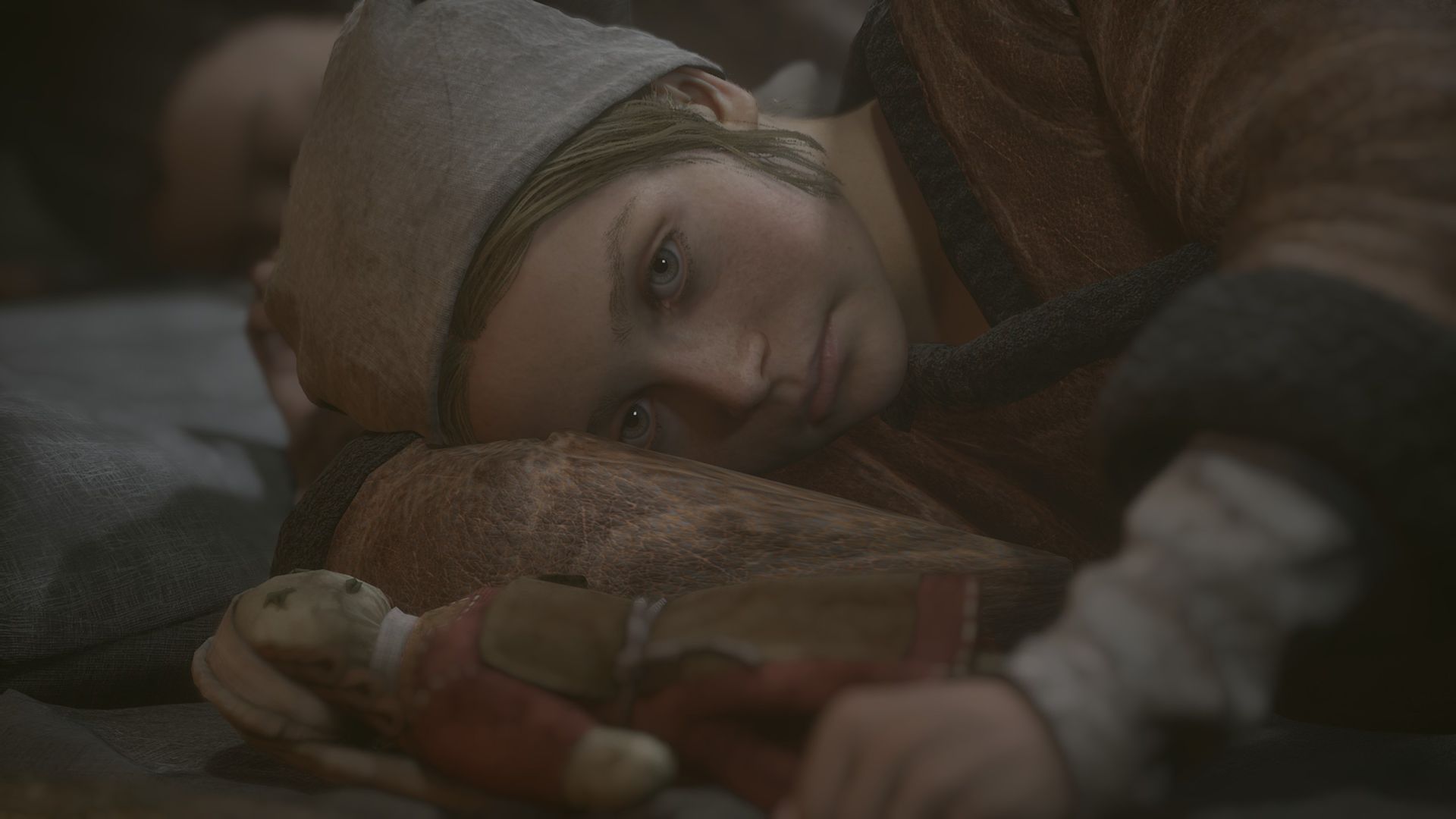
In the world of role-playing games, sometimes the greatest constraint is the clock. In The Blood of Dawnwalker, players aren’t just navigating a complex narrative; they are racing against a ticking timer, a mechanism that injects a potent sense of urgency into the experience. While this mechanic successfully ramps up the stakes, it also sparked a passionate debate among players about how much control they should have over their journey.
For some, the relentless ticking clock felt like an unwelcome tether, limiting the ability to simply pause, fiddle with lore, or truly savor the unfolding story at a relaxed pace. This friction led the community to seek freedom, and swiftly, they found it. One of the most popular responses has been the development of mods, most notably Better Story Timer, which entirely eliminates the impact of the time pressure. This mod has become a favorite among players looking to experience the world of Dawnwalker on their own terms, free from temporal constraints.
The resulting discourse touched upon a larger philosophical point: the inherent tension between cinematic pacing and player autonomy. Developers often walk a fine line between forcing a specific experience and allowing player freedom. In an interview, studio CEO and game director Konrad Tomaszkiewicz addressed the debate surrounding the time mechanic. He acknowledged the player complaints, emphasizing that the design was balanced to allow around 80 percent of the content to be experienced with the time mechanic intact.
Tomaszkiewicz argued that the mechanic is a tool, not a rigid law. He suggested that the desire to see “everything in one playthrough” is understandable, but it is ultimately an illusion in games rich with choice and consequence. He pointed out that games like The Witcher 2 and acclaimed titles like Pentiment demonstrate that true depth comes from the choices made, rather than the sheer volume of events covered in a single session.
This perspective suggests that the core value of the game lies not in speed, but in the weight of decisions. The community response—the adoption of mods to remove the constraint—simply affirmed the players’ desire for agency. It’s a reflection of a broader trend in modern RPG design, where the experience is valued more for its depth and player ownership than for its mandated pace.
As players continue to explore and conclude their adventures in The Blood of Dawnwalker, the outcry over the time mechanic has naturally subsided, with many realizing they had more than enough time to engage with the narrative fully. Meanwhile, the development team is already looking toward the future, already eyeing the next chapter by seeking a lead writer to craft the next evolution of the Dawnwalker saga.
Buy on Amazon
Credit