DDR4 revival: Intel reuses sockets amid memory crisis
Intel‘s Smart Strategy: How Older Platforms Are Getting a Fresh Performance Boost
In the ever-evolving world of computer hardware, major platform shifts often feel like seismic events. But sometimes, the smartest move isn’t tearing down the old to build something entirely new; it’s finding a brilliant way to upgrade what you already have. This is the fascinating story unfolding around Intel’s LGA1700 socket, where established motherboards are about to receive a major performance refresh, all while embracing the reality of the memory market.
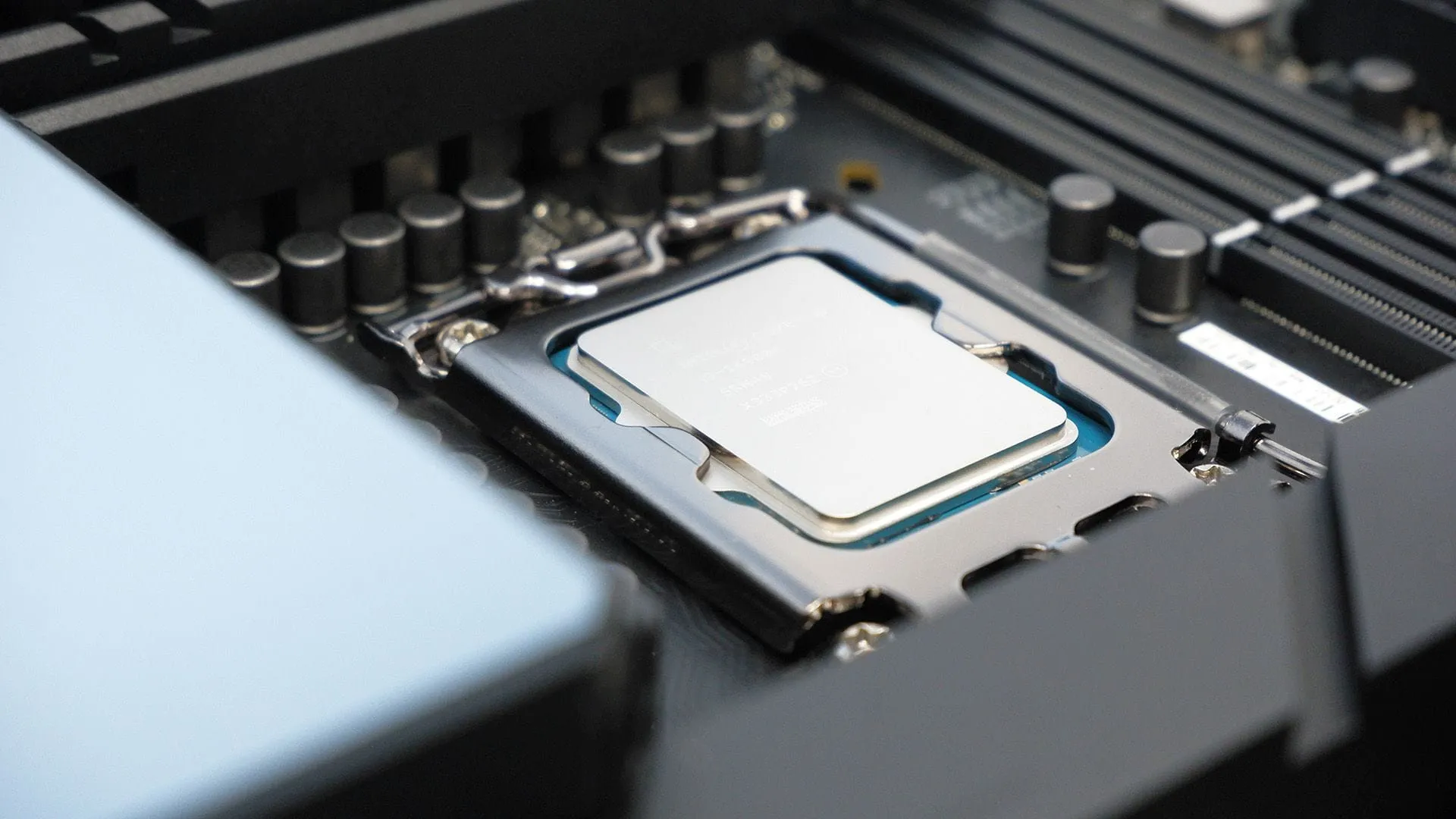
Gigabyte is preparing its B760 and H610 motherboards for upcoming LGA1700 processors, targeting a launch in early 2027. This isn’t just a routine refresh; it’s a strategic play. These new chips represent fresh spins on the powerful Raptor Lake and Alder Lake architectures, bringing modern performance to an already trusted platform. The excitement lies in the fact that users of these older systems can prepare for a future of enhanced computing from day one.
Why the focus on the LGA1700 socket? While newer generations, like Arrow Lake, have emerged, Intel is wisely keeping this platform alive. This decision is heavily influenced by the persistent popularity of DDR4 memory. As confirmed by Intel’s leadership, the LGA1700 platform is designed to stick around for years, ensuring that enthusiasts have a stable, long-term upgrade path.
The key to this longevity lies in a savvy market observation: memory economics. DDR4 memory remains significantly more cost-effective than the newer DDR5 standard. While prices for both memory types have seen fluctuations, the affordability of DDR4 allows users to enjoy substantial performance gains without jumping immediately into the steeper financial commitment required by DDR5 kits.
This creates a perfect opportunity. The LGA1700 architecture is uniquely positioned to bridge the gap between memory generations. The older chips still support DDR4, but the platform is designed to allow for future upgrades. The socket acts as a versatile bridge, offering memory controllers that can accommodate both DDR4 and DDR5, depending on the motherboard chosen.
For users who aren’t ready for a full system overhaul, this flexibility is a game-changer. Gigabyte ensures that owners of existing B760 and H610 motherboards, regardless of whether they currently use DDR4 or DDR5, can easily step up to upcoming processors. The process is streamlined: simply download the latest BIOS, update, and drop in the new CPU. There is no need for a board replacement or a complete system rebuild.
This seamless upgrade path means that while a direct jump from DDR4 to DDR5 might not deliver a massive performance leap for gaming, the future promises more cores and enhanced performance at more accessible price points. For those who can’t afford the immediate leap to an entirely new system, this evolution offers a brilliant opportunity to unlock meaningful performance improvements right where they are.
Buy on Amazon
Credit
