Dead or Alive? The RTX 5080 Super Box is Shaken
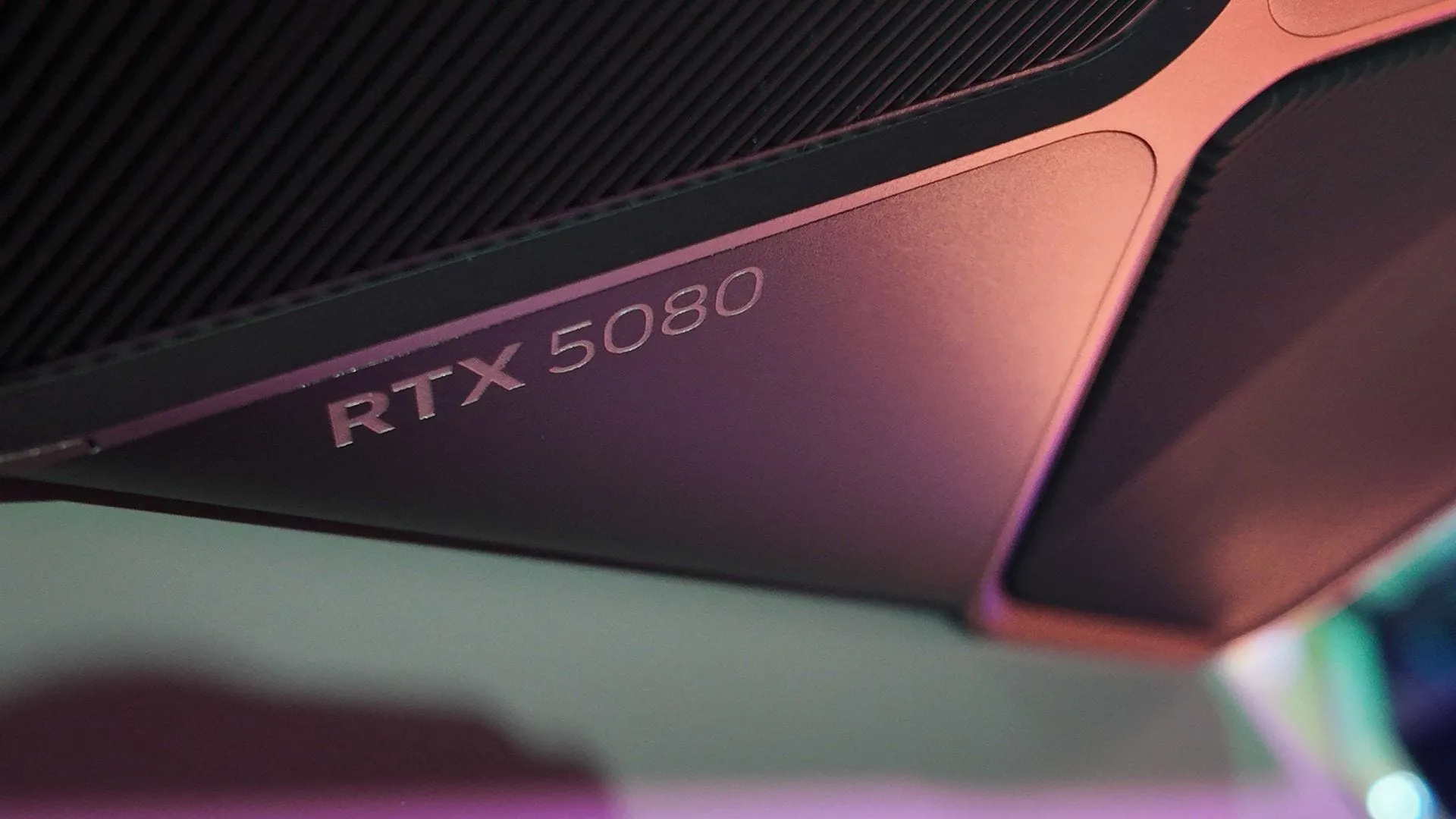
The world of high-end gaming hardware is teetering on the brink of a massive shift, and it looks like the landscape of Nvidia’s future graphics cards is about to look a little different—and perhaps a little less straightforward. Rumors circulating among industry insiders suggest that the flagship GPUs of the next generation might be evolving, with the spotlight moving away from pure consumer gaming and toward specialized professional applications.
One of the most talked-about possibilities involves the RTX 5090. Reports indicate that this top-tier consumer card might be phased out in favor of dedicating the powerful GB202 architecture to professional RTX Pro cards. This isn’t just a small tweak; it signals a strategic pivot in how high-end silicon is being allocated, prioritizing specialized workflows over raw consumer performance in the absolute top tier.
However, for dedicated enthusiasts, there are still tantalizing possibilities for large VRAM. Industry speculation points toward a potential 24 GB RTX 5080 appearing as a key offering. This card could serve as a sweet spot, specifically catering to local AI model builders who crave the massive VRAM capacity needed to run sophisticated machine learning applications without jumping to the significantly higher price of professional solutions.
The move toward greater VRAM capacity is crucial. As AI models become increasingly demanding, the ability to handle large datasets efficiently is becoming the new bottleneck. By funneling the GB202 GPUs towards professional development, Nvidia seems to be preparing a highly functional, high-capacity alternative for the AI community. This shift means that builders who prioritize large memory pools won’t have to wait for an entirely new generation to find suitable hardware.
This transition suggests a potential end-of-life for some current consumer offerings. Some analysts are suggesting that both the standard 16 GB RTX 5080 and the flagship RTX 5090 might be phased out for mainstream gaming, leaving the RTX 5070 Ti as the most viable top-end choice for PC gamers, priced around $1,500.
While the exact timeline remains shrouded in the inevitable uncertainty of semiconductor leaks, the market is clearly preparing for a change. The chatter suggests that a GPU refresh, perhaps a necessary evolutionary step, could land around or just after CES in 2027. This refresh might not be a massive gaming-centric leap, but rather an optimization focused on efficiency and specialized capability.
Ultimately, the narrative is one of evolution: Nvidia is steering its silicon toward specialized, high-value markets, ensuring that the next generation of graphics processing power is optimized for both the relentless demands of gaming and the burgeoning world of local artificial intelligence.
Buy on Amazon
Credit
