Deadly Intel explosion shuts down chip factory for six months
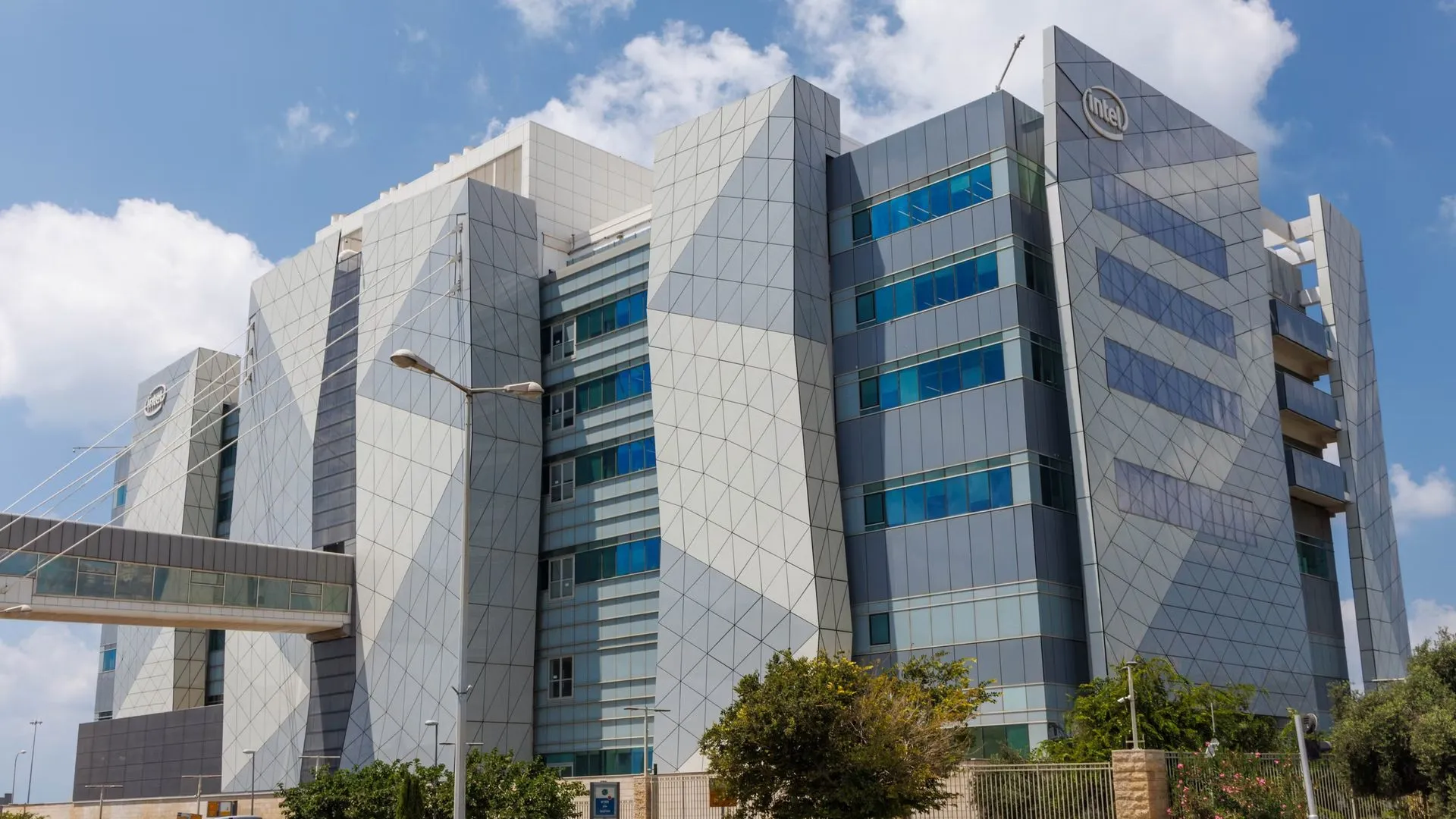
The intricate world of semiconductor manufacturing recently faced a dramatic setback at Intel, where an explosion at one of its key facilities forced a major halt and sent ripples through the global technology supply chain.
The incident, which occurred in mid-October at Fab 28 near Kiryat Gat, Israel, immediately brought Intel’s massive chip production lines to a standstill. While the immediate focus was on safety and recovery, the financial and operational consequences for the semiconductor giant were profound.
The shutdown lasted for two weeks, causing significant disruption to the manufacturing process. Intel estimates that this disruption will translate into approximately $600 million in lost revenue over the next two quarters.
This interruption is particularly critical because Fab 28 is a hub for manufacturing chips utilizing Intel’s advanced 10nm-class and Intel 7 process technologies. The affected machinery was central to producing server processors, meaning the delay directly impacts the supply of critical components powering data centers and high-performance computing.
Although the exact scope of the damage remains under investigation, the fallout is already being measured. Intel anticipates that this incident will reduce its projected revenue in the fourth quarter of 2026 and the first quarter of 2027, highlighting how interconnected global manufacturing is.
Despite the pause in production, Intel is working quickly to restart operations. Company executives indicated a swift recovery, aiming to bring the facility back online and resume manufacturing by the end of the week.
However, the complexity of modern chip production means that a single disruption cannot be easily solved by shifting work. While Intel boasts numerous fabrication plants across the globe, including sites in Arizona and Israel, the specific manufacturing qualifications required for specialized products mean that production cannot simply be relocated instantly.
This lack of flexibility adds another layer of challenge. Intel faces the delicate task of balancing the loss of output at one facility with the immense and continuous demand for server processors.
The explosion also raises questions about the inventory of wafers currently undergoing fabrication. The company is assessing the work-in-progress inventory to determine which materials can be salvaged and which must be written off, a process that will further impact the financial recovery timeline.
Ultimately, the incident underscores the immense fragility of the highly specialized semiconductor ecosystem. It is a stark reminder that the performance of the global tech industry hinges on the flawless operation of complex, global supply chains.
Buy on Amazon
Credit
