Demon’s Souls hits 40-50 FPS with accurate graphics on PS5 emulator
The Emulation Revolution: How the PS5 is Forcing a Gaming Evolution
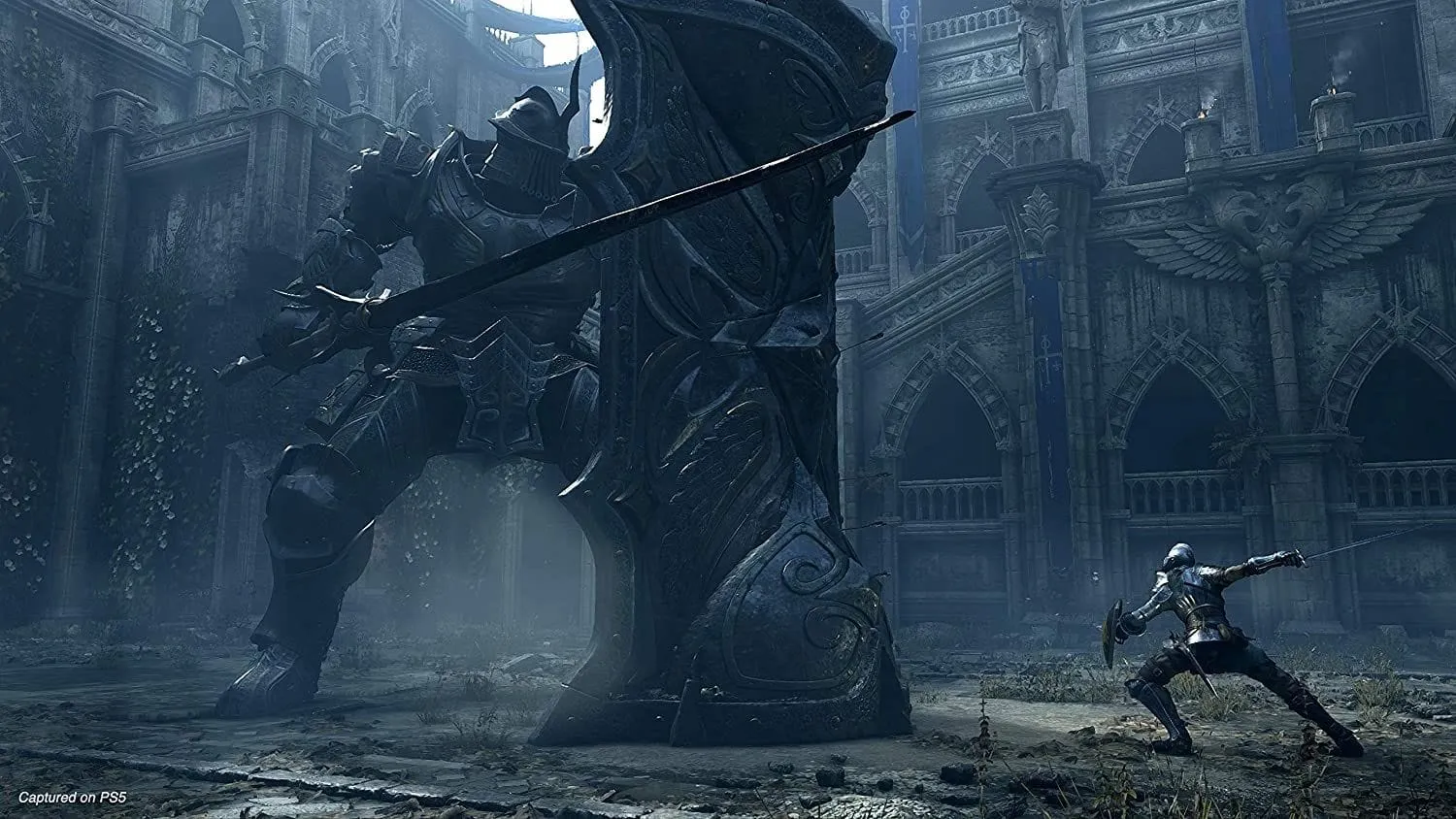
In the world of software and gaming, few projects have undergone the dizzying, rapid evolution that PlayStation 5 emulation has experienced. It’s a story of technological ingenuity, a digital chase, and a relentless drive to unlock the potential of console architecture. Just months ago, an impressive video surfaced, showing the Demon’s Souls Remake running at 40-50 FPS with remarkably accurate graphics. This stunning visual achievement coincided with a broader shift in the gaming landscape, a change as dramatic as the infamous Hindenburg disaster, signaling that the emulation scene—specifically projects like KyTyPS5, SharpEmu, and AnyPS5—has entered a phase of overdrive.
To put the technical feat into perspective, achieving this level of performance is staggering. Even when the hardware showcased in the video included high-end components like the RTX 5090 and a Core i9-14900K, running a demanding game this smoothly only a month after emulation was considered a distant dream is nothing short of astonishing.
The speed of this progress isn’t accidental; it’s rooted in a fundamental architectural similarity. The PlayStation 5‘s design, much like a standard PC, shares much of its underlying structure, with the primary bottleneck being less about emulating the CPU or GPU and more about writing the crucial compatibility layers for the console’s operating system and drivers. The real technical marathon, therefore, lies in translating native console graphics shaders into the more universally compatible Vulkan’s SPIR-V language.
This focus on shader compatibility has always been a persistent thorn in the developers’ side. It is exceptionally difficult for emulation software to predict exactly which complex shaders a game will need before they are actually executed. This challenge demanded a shift in methodology. The current winning approach involves asynchronously compiling and collecting shader data directly from the community, building a shared database for preloading. This innovative concept was initially popularized by projects like RPCS3, proving that even small teams with limited budgets could pioneer massive advancements.
While the community has driven much of the progress, the industry giants are also responding. Nvidia and AMD have invested heavily in addressing this exact issue, developing features like Auto Shader Compilation and Advanced Shader Delivery. These tools aim to automatically recompile shaders in the background, speeding up load times and smoothing the experience for users.
The result is a powerful convergence: emulation is not just running old games; it is pushing the boundaries of software compatibility, driver development, and community-driven data sharing. This rapid evolution signals that the barrier between console and PC is rapidly dissolving, creating an exciting future where classic gaming experiences are more accessible and more dynamic than ever before.
Buy on Amazon
Credit
