Demon’s Souls Remake 2x FPS on RTX 5070 with Frame Gen
As a console gaming interloper, there’s nothing quite like watching the boundaries of current-generation hardware get pushed. Lately, the gaming world has been buzzing with fascinating developments that blur the lines between console, PC, and pure emulation.
One of the most striking examples of this convergence is the incredible performance achieved when classic titles are brought into the modern age. We are seeing emulation not just as a nostalgic exercise, but as a powerful tool for re-imagining game experiences.
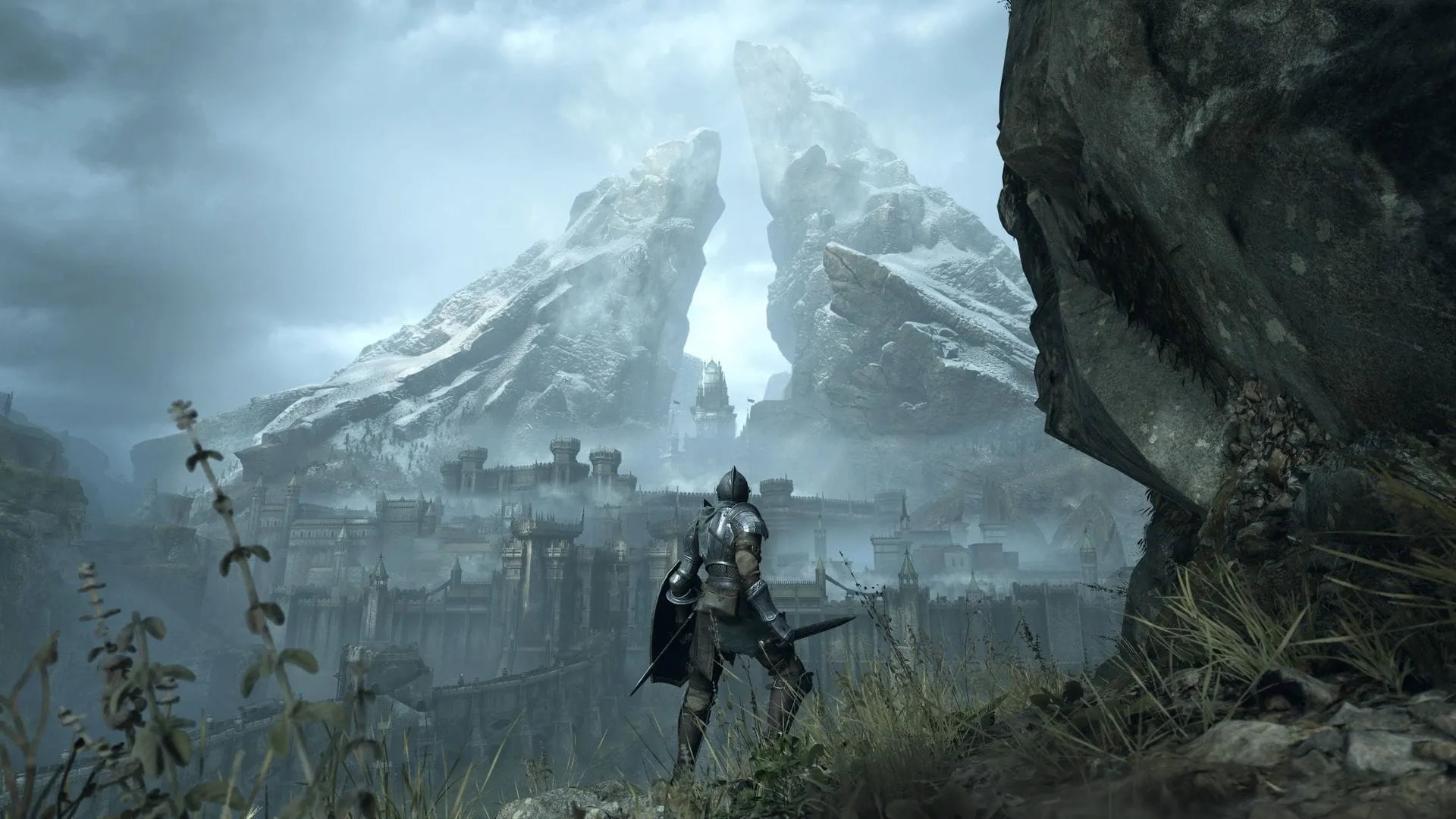
Take the case of the Demon’s Souls Remake. While exclusive to the PlayStation 5 since its launch in 2020, this demanding title has found a new, thrilling life on PC. Using an unofficial translation layer, enthusiasts have managed to run the remake at up to 120 frames per second, showcasing what’s possible when pushing hardware limits.
This performance was achieved by leveraging top-tier PC components, including an RTX 5070 graphics card and an AMD Ryzen 7 9800X3D processor. At 1440p resolution, the game easily surpassed 100 fps thanks to advanced techniques like 2x DLSS frame generation. In fact, footage captured demonstrates a beautifully smooth 120 fps experience at 1080p, proving that the limits of the console hardware are not the ultimate boundary for gaming fidelity.
For comparison, the native PlayStation 5 hardware, even in performance mode, locks the game to 60 fps at 1440p. Doubling those frames via emulation is genuinely impressive, especially considering the limits of current-gen console processing.
While the high-end emulation offers spectacular results, the process isn’t without its quirks. Benchmarks show that even on powerful rigs, minor hitching can occasionally appear, a common reality when translating complex console architectures. Despite these minor visual stutters, the overall performance leap remains a testament to clever software translation.
It is important to note that while emulation provides a spectacular alternative, official access remains tied to Sony’s hardware. This distinction is reinforced by the rising cost of the PS5, which seems to have fueled the emulation movement as a compelling way for gamers to maximize their investment.
This trend is not isolated to recent PS5 titles. The broader landscape of retro and console gaming is undergoing a revolution driven by PC porting and AI-driven decompilation. The scene around older systems, like the PS3, has also seen activity, with projects like RPCS3 grappling with new rules around AI submissions.
Perhaps the most telling sign of this shift is the move toward native PC ports. The recent success of a developer taking a seminal title like P.T. and porting it natively to PC demonstrates a powerful movement: if a game is truly great, it deserves to be played wherever the hardware is most capable. This movement suggests that the future of gaming lies in flexibility, performance, and boundless creativity, regardless of the console box we hold in our hands.
Buy on Amazon
Credit
