Denmark’s open-source Office bid collapses in six months
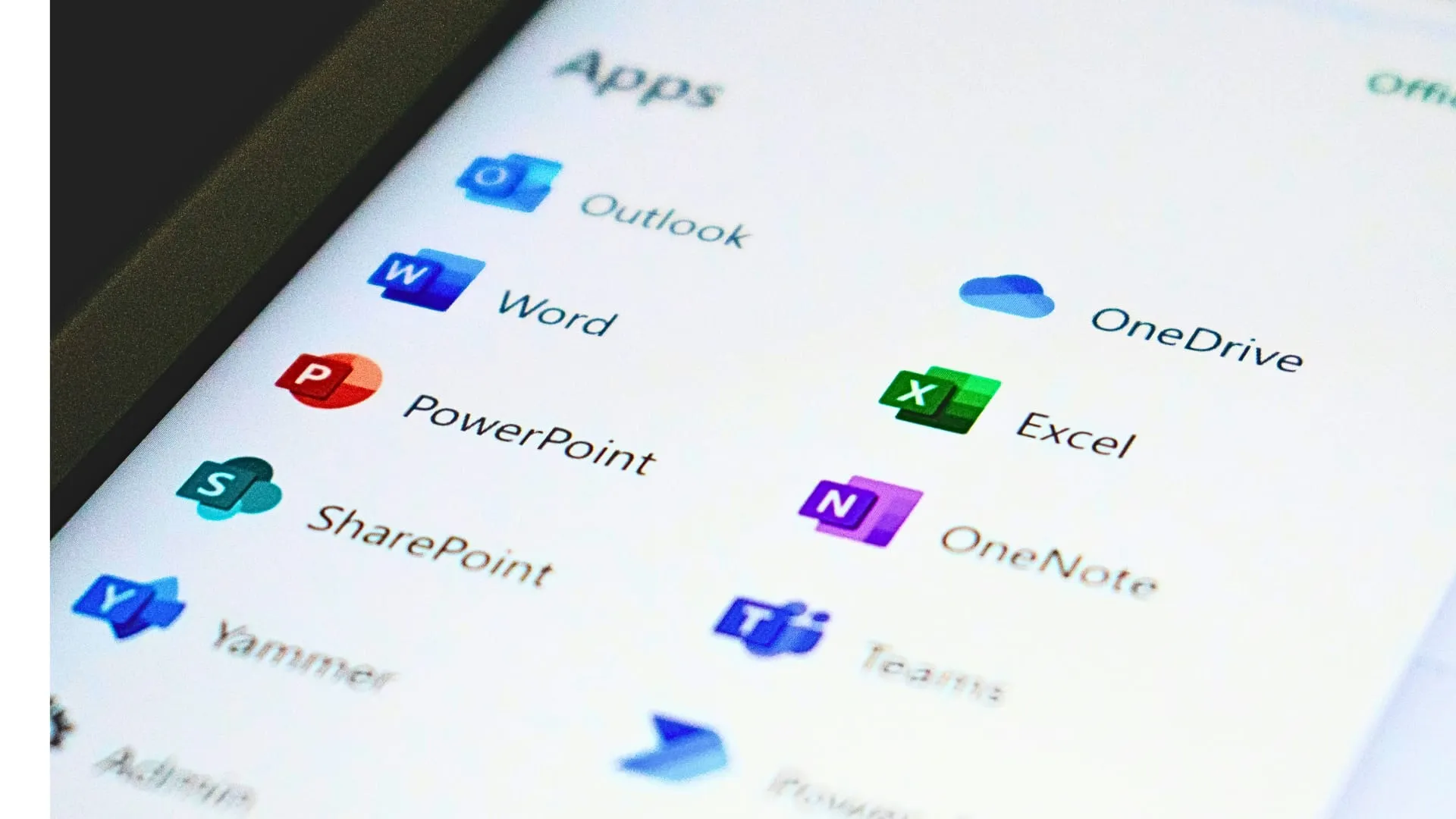
When governments aim for digital sovereignty, they often look to the open-source movement as a powerful tool to reduce reliance on major American technology firms. Denmark embarked on such an experiment, aiming to replace Microsoft Office with open-source alternatives, seeking a more autonomous digital future for the country.
The initiative was launched in 2025 by the then Digitization Minister, Caroline Stage. The pilot project involved 38 employees who began using the British open-source Collabora office suite instead of the familiar Word, PowerPoint, and Excel. The underlying goal was clear: to decrease Denmark’s dependence on U.S. software and explore alternatives in the public sector.
However, the transition proved to be less smooth than anticipated. Less than six months after the launch, the experiment was officially concluded. While the ambition was high, the practical reality presented some bumps in the road. Employees reported grappling with issues related to style, paragraph formatting, blank pages, and tracking changes, suggesting that moving to a new system wasn’t always a seamless experience.
Despite the relatively short duration, the experience sparked reflection among experts. Professor Mikkel Flyberbom of the Copenhagen Business School noted that while testing alternatives in a pilot project is a good idea, the government missed an opportunity to properly evaluate the results. He suggested that the ministry should have leveraged the experience gained from the pilot to share valuable lessons across other parts of the public sector.
A central question remains regarding the experiment’s execution: why Collabora, based on LibreOffice, was chosen over other mature open-source options like OnlyOffice, OpenOffice, or Calligra? This choice adds an element of mystery to the initiative. While the goal was to find the best solution for Danish government systems, the focus on a single alternative raises questions about the overall methodology.
Ultimately, the experiment ended, and the results were mixed. While the pursuit of open-source alternatives is certainly a worthy direction for national digital policy, the experience underscores the complexity involved in large-scale software transitions. It serves as a reminder that adopting new technologies requires not just ambitious goals, but meticulous evaluation and a willingness to test different approaches to find the truly best path forward.
Buy on Amazon
Credit
