Dentist’s office inspired the Windows fish screensaver
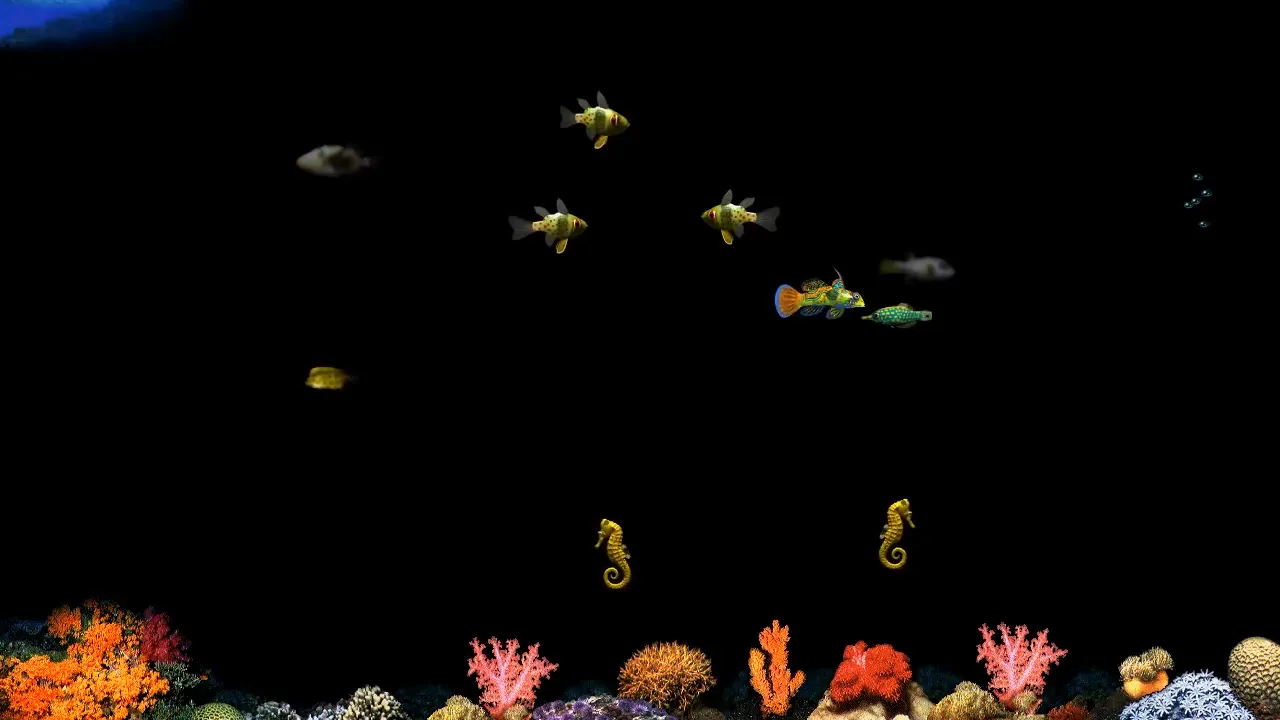
If you think of dentist’s offices, you probably don’t picture tranquil water. Yet, the unexpected connection between the clinical setting and the vibrant world of aquatic life is the genesis story of one of computing’s most enduring nostalgic icons: the After Dark fish screensaver.
This delightful link is the brainchild of Ed Fries, the co-founder of After Dark and a former vice president of Game Publishing at Microsoft. Fries’ journey into digital artistry began not with screen savers, but with a whimsical request from an artist.
The spark ignited when an artist approached Fries, who was working on a scene set in a dentist’s office. The artist had a simple, yet brilliant idea: since every dentist’s office inevitably features an aquarium, why not incorporate one? The vision was clear, and Fries, a video game programmer by trade, saw an opportunity to blend his technical skills with pure creativity.
Fries took the challenge, proposing a way to bring the aquatic theme to the screen. He proposed, “I can make fish move on the screen. Give me the fish, and I’ll make them move.” He developed a looping animation, starting with simple stills of fish moving, utilizing parentheses to simulate flowing water and the letter ‘o’s to represent bubbles.
As the project evolved, Fries sought larger, more elaborate fish characters to enhance the visual experience. He eventually transformed his entire screen into a vast, swirling aquarium, turning the display into a mesmerizing underwater world.
These early experiments quickly caught the attention of the office. Colleagues requested copies of the screensaver, and soon, as Fries headed home at night, these dynamic displays were running across the computers in the office, sparking an internal fascination.
This creative phase laid the groundwork for the official After Dark fish screensaver, which quickly became synonymous with Windows displays throughout the 1990s. Fries leveraged his new experience with the Windows environment, working full-time on Excel for Microsoft while mastering the new operating system.
The innovation didn’t stop there. A colleague on the Microsoft Word team took the next step, developing a fish editor that allowed users to customize the inhabitants of their virtual tanks. This development reflected a broader, often quirky, culture within Microsoft at the time, a group sometimes known as “bogus software” who were focused on unique and experimental creations.
Buy on Amazon
Credit
