Depth of Field vs Vignette Which Graphical Effect Ruins Games
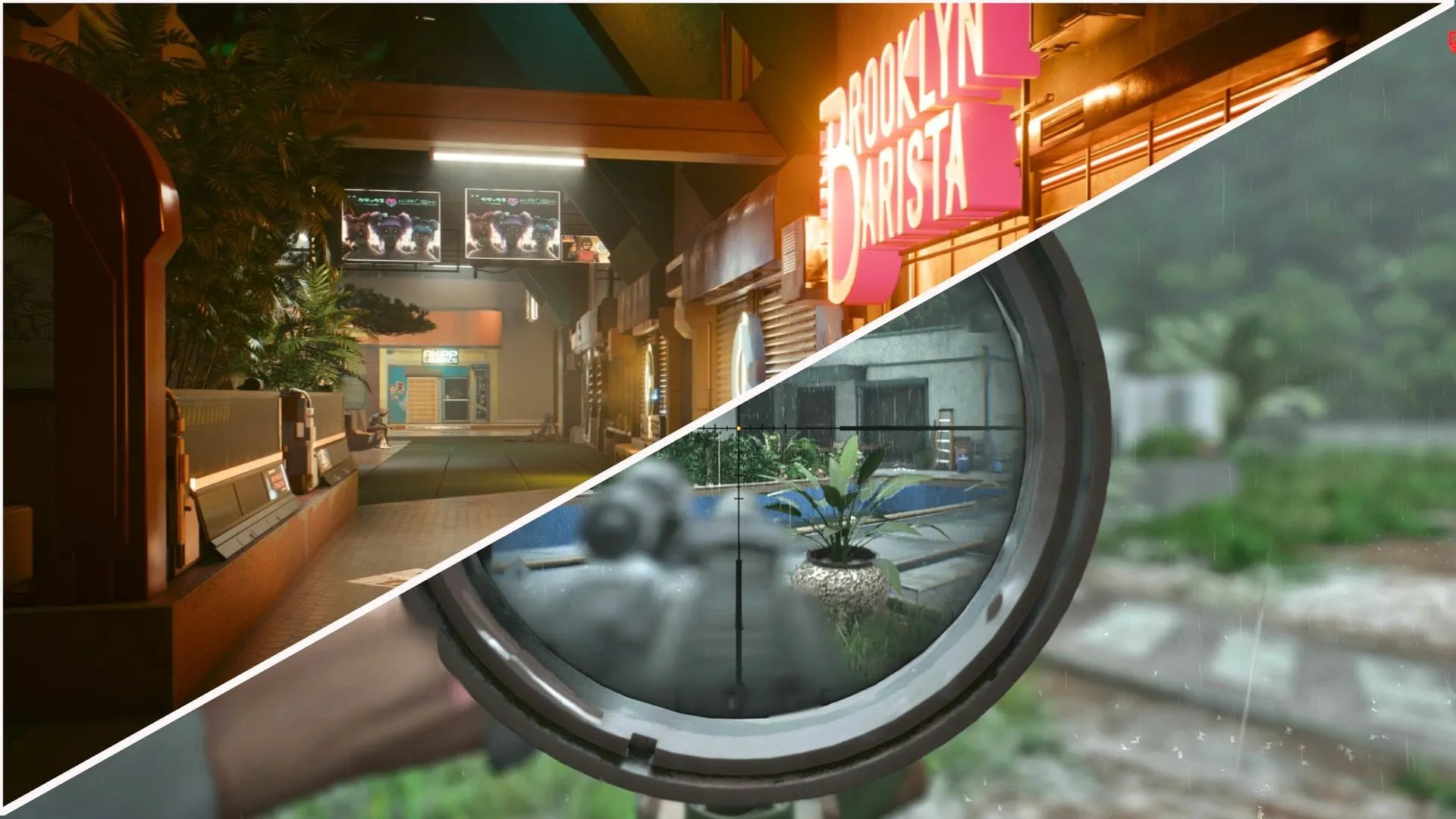
The Visual Reckoning: Are Game Effects Hellspawn or Art?
We live in a world defined by pixels, and with that reality comes an endless fascination with how games manipulate light and shadow. But as graphics technology evolves, a philosophical debate has emerged: do the dramatic visual effects that define modern gaming belong in the settings menu, or are they the necessary chaos of high-end computer graphics?
The question isn’t just technical; it’s aesthetic. We are constantly faced with a choice between visual fidelity and functional clarity. It’s a classic knockout format where two seemingly competing visual elements are pitted against each other, forcing us to decide which effect truly serves the player’s experience.
Consider the ongoing war between visual realism and artistic control. This conflict plays out across the screen, pushing developers to make difficult decisions about what the player should see, and what they should ignore.
One key battleground involves the interplay of focus and frame. Take the difference between depth of field and vignette. Depth of field, when employed in action games, can dramatically enhance the sense of environment, especially when aiming down sights, adding a layer of contextual realism. However, the vignette—that dark border that draws the eye inward—serves a different purpose: it’s a deliberate artistic choice used to focus the player’s attention directly onto the center of the frame, guiding the gaze.
Similarly, the tension between motion blur and lens flare highlights the balance between kinetic energy and optical realism. Motion blur attempts to convey speed and movement, essential for immersive action, while lens flare introduces a quality of light that mimics real-world optical artifacts. Which effect wins the visual argument?
The debate extends to textures and atmosphere, too. Film grain and bloom, for instance, both add texture and atmosphere to a scene. Grain gives a gritty, tangible feel, while bloom softens highlights and creates an ethereal glow. Both effects enrich the mood, but they do so in fundamentally different ways.
This is why the discussion around graphical settings deserves more than just technical specifications; it demands a consideration of artistic intent. When visual effects are designed, they are making a statement about the intended mood and the player’s relationship with the digital world.
Ultimately, the decision of whether to include complex visual features in an easily adjustable menu forces us to weigh the functional utility against pure aesthetic experience. It’s a final reckoning for the realm of computer graphics, asking us to determine if these visual embellishments are merely technical noise or essential components of immersive storytelling.
Buy on Amazon
Credit
