Designer says Starfield won’t get a sequel
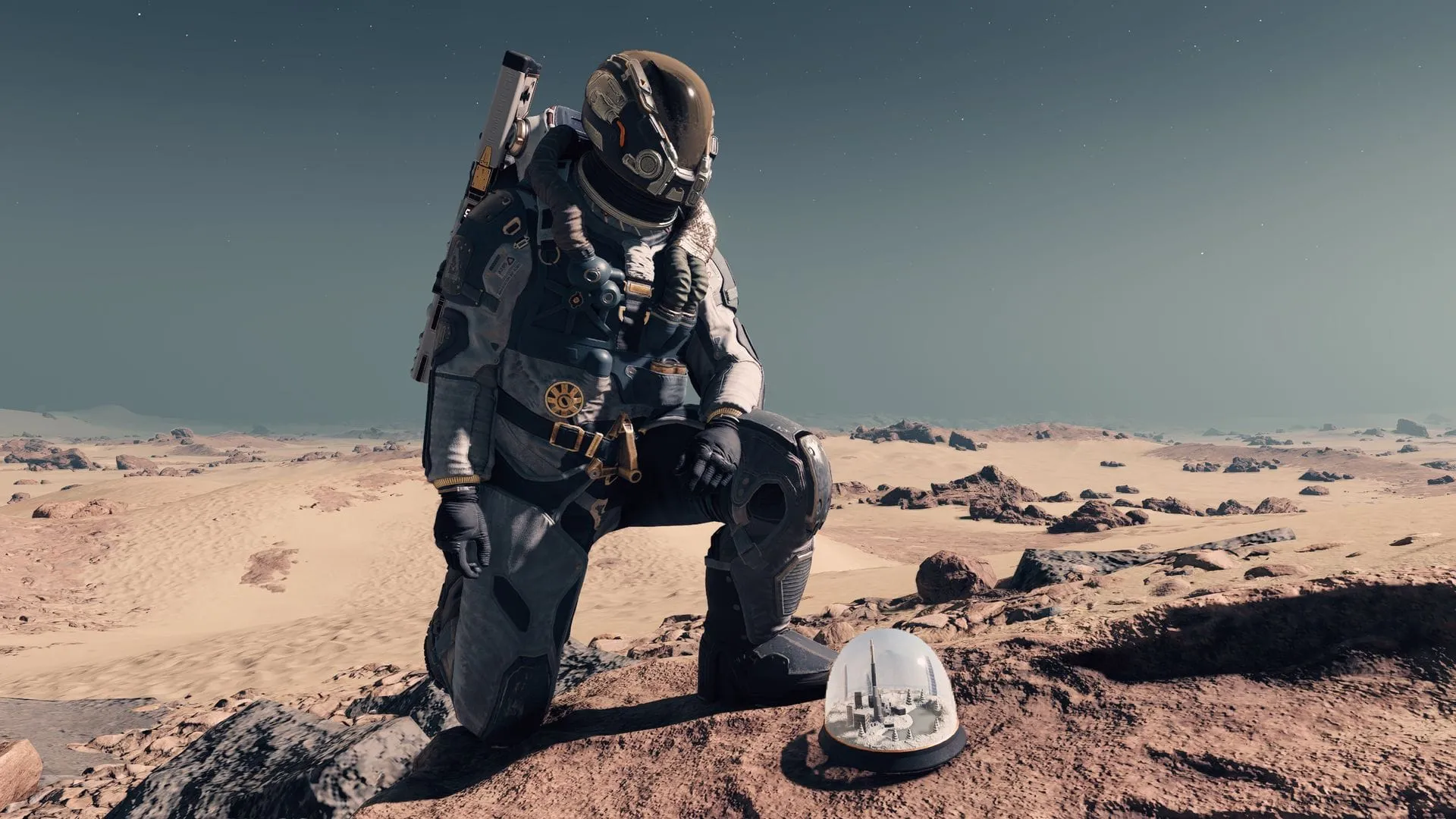
When thinking about the next chapter in Bethesda’s ambitious space opera, Starfield, many fans are waiting with bated breath. Yet, a recent comment from one of the game’s former systems designers suggests that a sequel may be a distant possibility, sparking a fascinating debate about the future of Bethesda’s biggest IP.
The sentiment comes from a veteran who left the studio after Starfield launched. This designer suggests that the game, despite its scope, wasn’t successful enough to warrant a continuation, implying that the studio is currently dedicating its immense resources to building the next grand adventure: The Elder Scrolls 6.
This perspective adds an interesting layer to the ongoing saga. While Starfield has generated substantial revenue, estimated at $300 million, the view is that it has not yet reached the pinnacle of success seen by previous Bethesda titles like Skyrim.
The focus of the studio’s strategy seems clear: prioritizing their established giants. With reports indicating that Xbox is keen on faster development timelines for the Fallout and Elder Scrolls franchises, it makes sense that Bethesda would prioritize these core IPs over a Starfield sequel.
However, this doubt doesn’t negate the potential for missed opportunity. The former designer posits that if the lessons learned from developing Starfield were applied differently, a sequel could have been far more impactful and realized the ultimate game idea that was envisioned.
One specific area for potential improvement, Kuhlmann suggests, lay in the game’s systems design. He pointed out that mechanics, such as the outpost building system, felt somewhat arbitrary and weren’t fully integrated into the core experience.
Furthermore, he noted that the development faced similar challenges with Fallout 4, where systems were not seamlessly woven into the narrative. He pondered why the outpost system was retained in Starfield if it wasn’t fully integrated with the story and missions, suggesting the decision was perhaps more about internal factors than pure gameplay necessity.
Ultimately, the debate shifts from whether a sequel should exist to how the studio can best leverage the massive commitment they have already demonstrated. Despite the skepticism about a direct continuation, Bethesda has continued to support the original game with free updates and DLC, and the studio recently reaffirmed that Starfield remains “an important part of our future”.
The commitment to the existing world ensures that while the focus may shift, the legacy of space exploration and discovery continues to thrive within the Bethesda universe.
Buy on Amazon
Credit
