DLSS 5 regrets in Miku Hatsune gameplay
Diving into Neural Rendering Hell: An Unofficial Quest for DLSS 5
The world of graphics technology is constantly evolving, and with it comes the promise of next-level performance. NVIDIA has hinted that advanced neural rendering techniques, like DLSS 5, will eventually extend beyond the 50-series cards to the highly anticipated 40-series lineup. While waiting for official access, some enthusiasts decided to jump into the unknown, seeking to experience the cutting edge right now.
For me, the wait was simply too long. Having already seen the stunning results of DLSS 5 applied to my favorite anime-style game, I felt compelled to test the limits. The official path was blocked, so I turned to the unofficial routes, embarking on an experiment that I would happily call an unholy venture into the world of graphics optimization.
To get started, I dove into the technical deep end. I utilized the DLSS 5 Manager software, a tool that allowed me to experiment with the features, most notably the Live Flow function, which manipulates the neural rendering process in real-time.
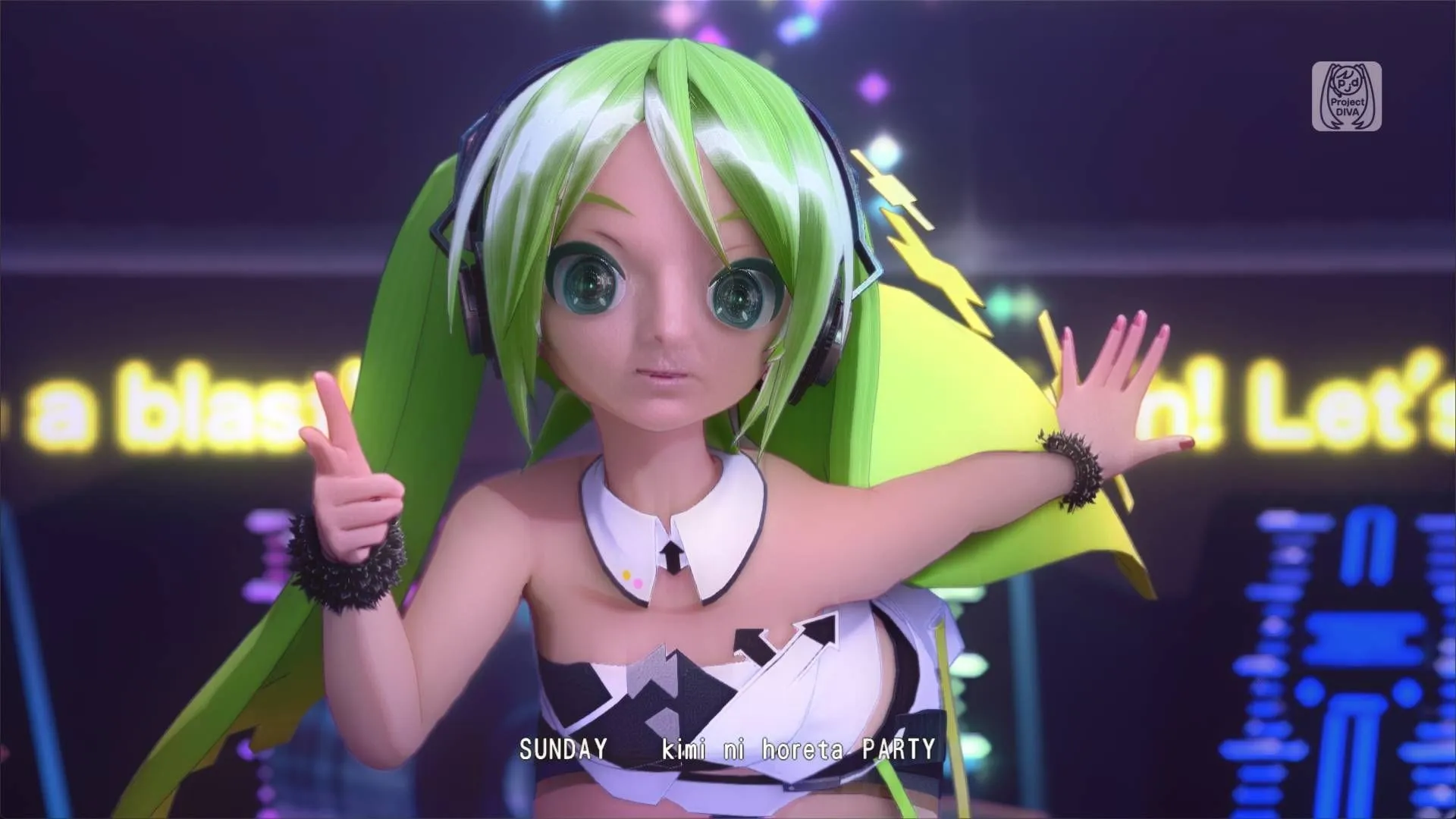
My chosen testing ground was Hatsune Miku: Project Diva Mega Mix+. This game, with its vibrant anime aesthetic, seemed like the perfect canvas for this kind of visual manipulation, even if the art style itself doesn’t seem to benefit from the upscaling.
Before applying the experimental settings, the game ran smoothly at a solid 60 frames per second. But once I activated the DLSS 5 mod and engaged the Live Flow setting, the results were immediate and dramatic. The frame rate tanked, making the experience a true test of patience.
The challenge was fascinating. While the performance suffered, I discovered a hidden side to the process. The visual shift created a unique experience, plunging me into what felt like the very depths of neural rendering. It was a visual journey that pushed the boundaries of what I thought possible on my hardware.
Interestingly, despite the performance hit, the game retained its core functionality. In the case of Project Diva, the rhythm mechanics allowed me to still enjoy the music videos, even if the timing felt a little looser. It turned a performance test into a unique, slightly chaotic musical exploration.
Ultimately, this experiment wasn’t just about frame rates; it was about understanding the raw potential of the technology. It proved that even when following unofficial paths, exploring new graphic possibilities can lead to some truly mind-bending visual discoveries. The journey into DLSS 5’s neural rendering hell was certainly worth the ride.
Buy on Amazon
Credit
