Doing well in this ’90s citybuilder felt worse than any game
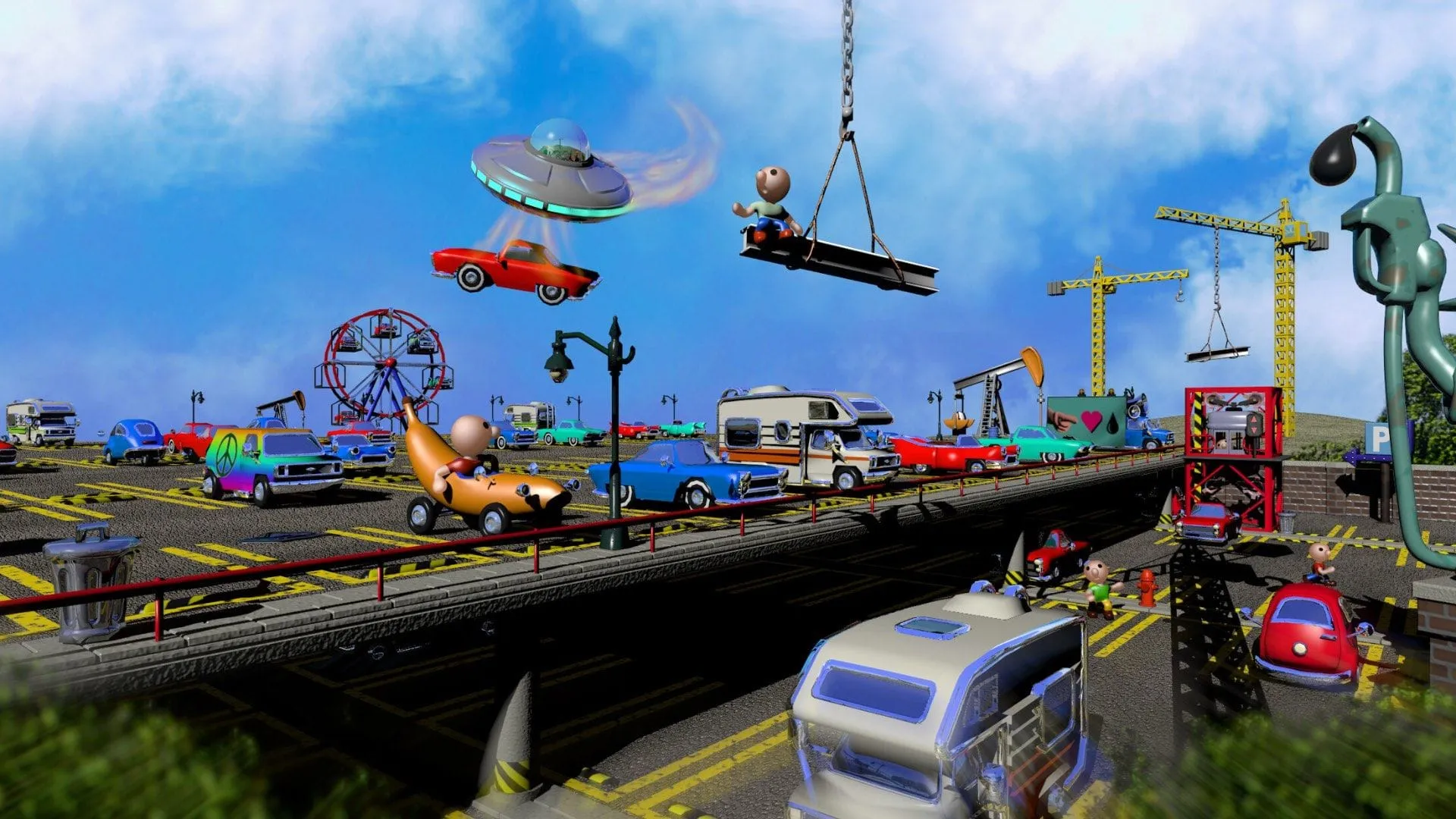
The automobile, often hailed as a symbol of freedom and progress, carries a heavy, often unspoken burden. It functions less as mere transportation and more as a tool of capital, designed to atomize the worker and alienate them from their communities. This reality, viewed through a critical lens, reveals a profound ideological contradiction: the expensive fantasy of personal freedom that masks a system built on subjugation.
But what happens when we put this critique into action? Enter the world of Car Park Capital”>Car Park Capital, a management simulation that throws the player directly into the heart of urban development and the relentless pursuit of asphalt. It’s a game that forces you to grapple with the very forces that shape our modern landscape: walkability, public transport, and the necessity of green spaces, all of which stand in direct opposition to the drive for endless expansion.
As the urban planner—the self-appointed god-king of the pavement—you are tasked with conquering the city. Your immediate goal is to address the “plagues” of outdated infrastructure by bulldozing cherished public lands and replacing them with sprawling car parks. It is a wonderfully satirical exercise in reverse urbanism, where the very act of creating space for cars necessitates the eradication of human-centric environments.
The game beautifully captures this destructive impulse. You are encouraged to achieve a new form of comfort by embracing the chaos of suburban sprawl—creating utterly unsustainable zones where the car is not just a convenience but the absolute master of existence. This process highlights the inherent absurdity of the pursuit of comfort when that comfort requires the systematic erasure of livable communities.
The narrative deepens when you consider the resulting social landscape. As you annihilate downtown apartment blocks and evict the residents, you face the next layer of management: crime and social control. The resulting environment—a sea of disconnected suburbs reliant entirely on motorized transport—creates the perfect crucible for the very social problems you are trying to manage. You are left with a scenario where the demand for car parks fuels the demand for a system of control, making the entire spectacle a perfect, if darkly humorous, scam.
To maintain this new reality, the system demands more than just concrete; it requires psychological manipulation. The game suggests that once the car-dependent sprawl is established, the need for propaganda—billboards, loudspeaker vans, and omnipresent surveillance—becomes essential. It is the ultimate paradox: the system that promises freedom requires a highly effective, brutal mechanism of control to sustain itself.
Ultimately, Car Park Capital is more than just a city builder; it is a potent commentary on capitalism’s relentless drive. It is a high-stakes game about the trade-off between aesthetic comfort and human well-being, offering a witty, if slightly unsettling, view of how we manage our environments and the consequences that follow.
Buy on Amazon
Credit
