The gaming world is currently grappling with seismic shifts following Microsoft and Xbox’s decision to initiate what is arguably the single biggest layoff wave in the brand’s history. The move, aimed at a fundamental “reset” of studio strategy, resulted in the cutting of 3,200 Xbox and game development roles—1,600 immediately and another 1,600 spread over the next twelve months—alongside the divestment of four studios from the Xbox Game Studios publishing division.
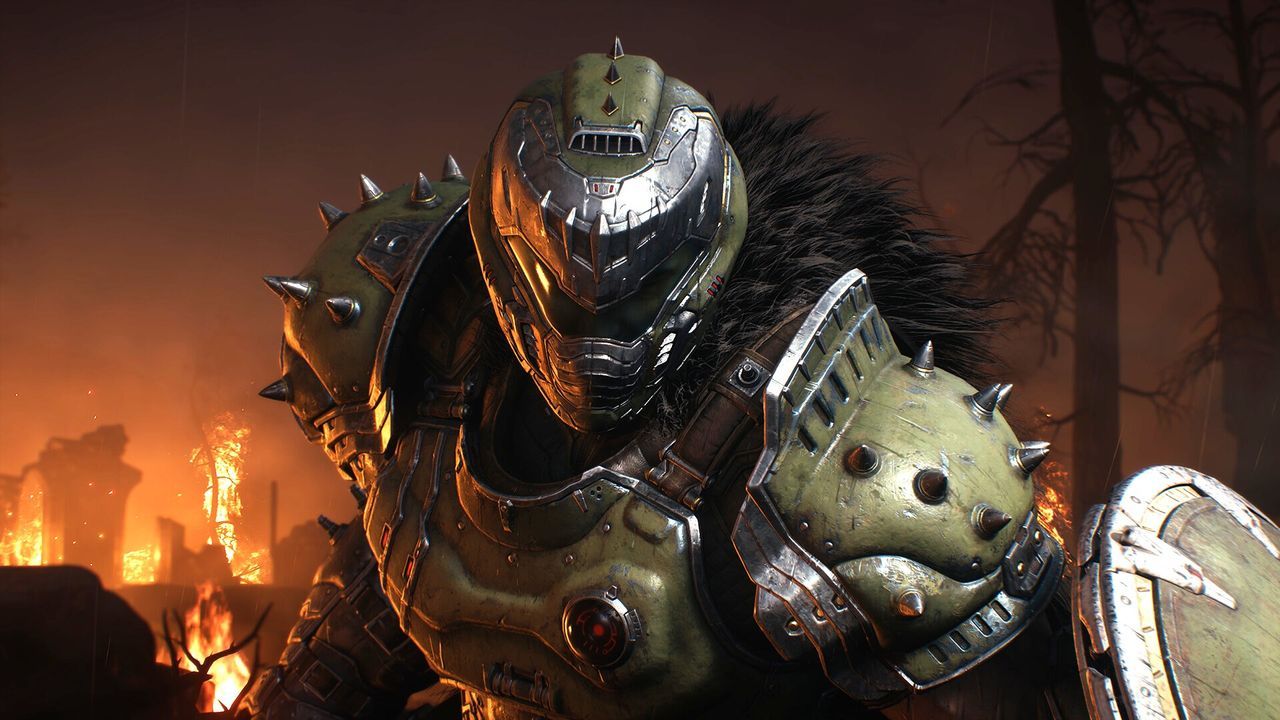
The ripple effect of these cuts has been particularly stark within key creative hubs. id Software, the legendary steward of franchises like DOOM, has felt the blow acutely. It has come to light that roughly half of the entire studio has been discharged, impacting not only game developers but also staffers working on the core id Tech game engines.
This is especially surprising given the recent commercial success and momentum surrounding titles like DOOM Eternal and DOOM: The Dark Ages. The timing of these reductions has caused considerable shock, particularly for a studio whose technical backbone—the id Tech engine—has historically proven robust, supporting projects ranging from Wolfenstein to Indiana Jones and the Great Circle.
The frustration extended beyond the corporate decision into the community. Developers themselves have voiced their astonishment and bitterness about the situation. Skai Chow, a gameplay animator at id Software, publicly reacted to the layoffs with a scathing message, expressing hope that the next round would be worth the pain, suggesting that things are going to be different this time around.
This reaction highlights a broader, painful truth for the gaming industry. Over the last four years, countless layoffs have wracked both Xbox and the wider gaming sector, resulting from an overinvestment in gaming during the pandemic. This cycle has led to extreme volatility and repeated devastating losses of talent across the board.
While the new Xbox CEO, Asha Sharma, defended the cuts as a necessary step to address what the company perceived as overextension and overly complex internal systems, many feel that job cuts alone do not solve the underlying instability. Complex global issues like trade tariffs and hardware crises further complicate the landscape.
Ultimately, while the industry seeks reorganization, it remains clear that unsustainable business models persist. The recent upheaval serves as a stark reminder that for the gaming ecosystem to truly thrive, structural change is required, not just temporary cost-cutting measures.
Credit: Windows Central
