Doom runs on DNS: Deliciously Horrible Tech
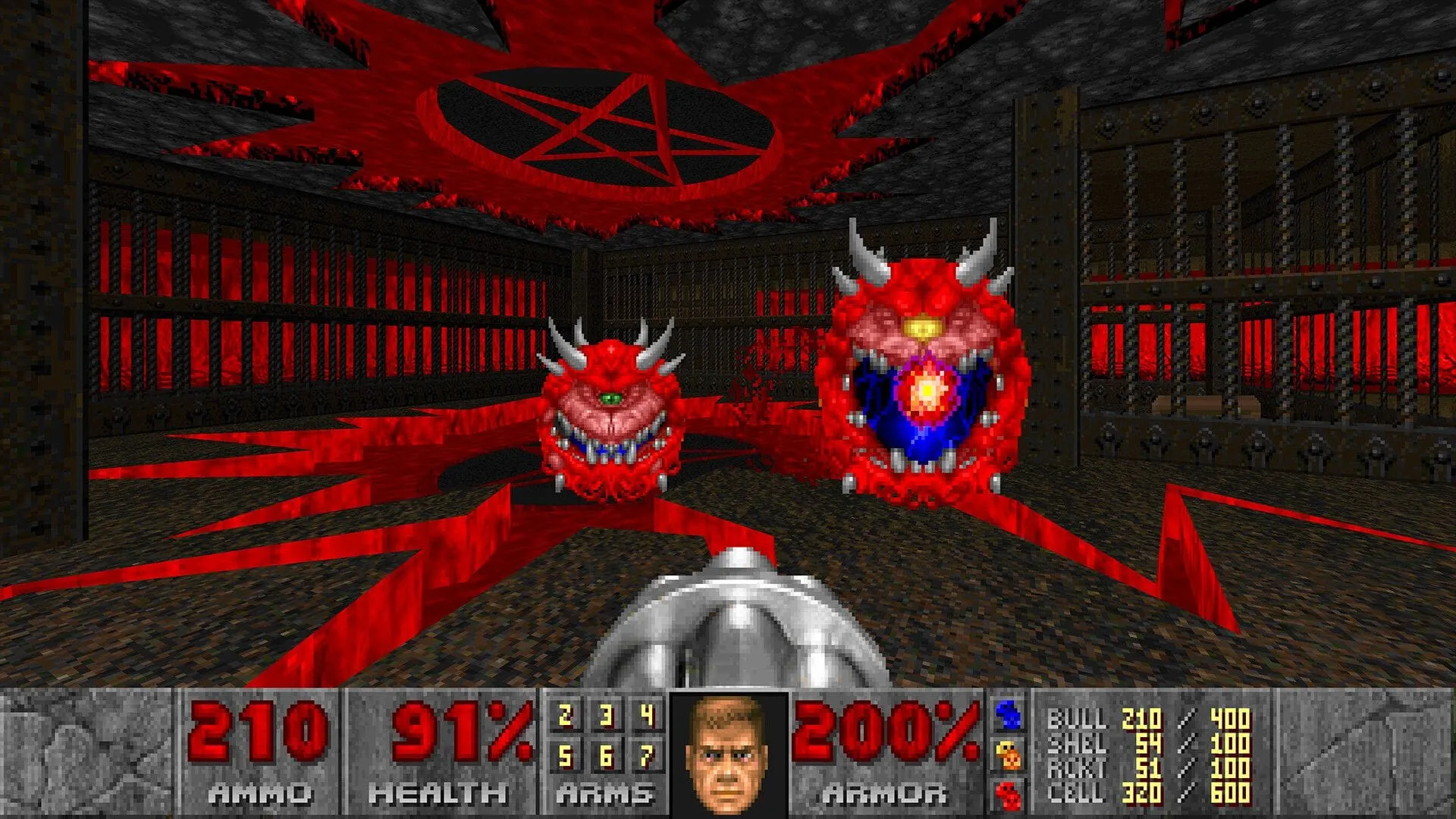
The Secret Life of DNS: How a Database Tamed Doom
In the world of computing, the relentless pursuit of processing power often dictates what games we can play. In the early 2000s, the debate was about whether a powerful system could handle a game like Crysis. Today, the question has flipped: Can a minimal system run a classic like Doom? The answer, as we are discovering, might lie not in raw CPU speed, but in the architecture of the internet itself.
The answer is surprisingly rooted in the Domain Name System, or DNS—the protocol that translates web addresses into the IP addresses computers use to interact with each other. While we usually view DNS as the boring backbone of the internet, this system possesses a far more complex capability: it is a colossal, interconnected database, capable of storing and retrieving information with staggering efficiency.
This realization has opened up a fascinating new avenue for programming. Researchers have begun to explore the possibility of treating this massive database not just as a directory, but as a dynamic, logical engine. By leveraging DNS updates, which allow records to be changed and modified, they found a way to replicate the conditional logic required by game worlds.
The breakthrough came from realizing that DNS records, with their structure of key-value pairs, are essentially a perfect system for conditional operation. One pioneer in the DNS space noted that the system’s ability to handle updates was the key: “I can’t decide whether this is deliciously horrible, or else horribly delicious. in either case, it’s the best use of RFC 2136 DNS UPDATE that I’ve ever seen.”
Imagine using this database as a cosmic librarian. It turns out that the structure of DNS holds a staggering amount of truth, with millions of rows of precomputed answers. This immense structure can be harnessed to act as the game’s memory, providing instant, pre-calculated answers to complex in-game operations.
This isn’t about making DNS pretend to be a Central Processing Unit. Instead, the genius lies in treating it as an unparalleled database. The system doesn’t execute instructions itself; rather, it provides the necessary information—the conditional writes and key-value reads—which allows external programs to infer the outcomes. It is a very good database, optimized for conditional logic, and that is truly enough.
Though the experience isn’t always a snappy, high-frame-rate gaming session—a single update can take a moment to process—it is a remarkable project. It proves that complex computational environments do not always require brute force. By tapping into the latent power of the internet’s infrastructure, we are redefining what a computer can be, turning a protocol used for navigation into a source of profound, unexpected computational power.
For those eager to dive into this intersection of gaming and networking, the code is available for exploration, inviting anyone to test the limits of the domain name system and see what wonders it can hold.
Credit
