Dorm-built jet drone breaks world speed record
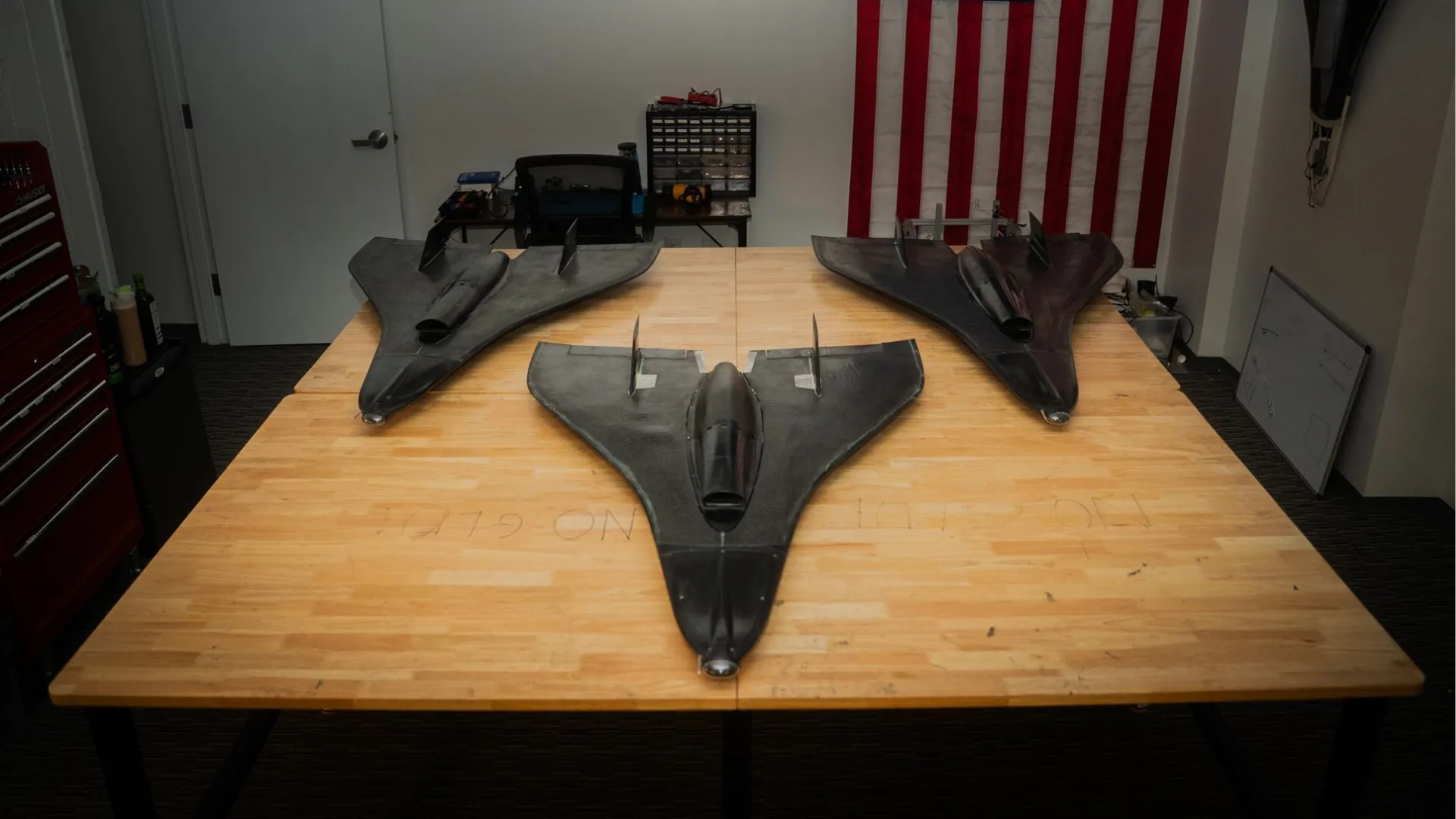
In a stunning display of academic ambition and engineering genius, a college student has redefined the limits of drone speed, turning a dorm room project into a contender for the world’s most prestigious prize.
Tomas Salvo, an aerospace engineering student at Georgia Tech, didn’t just build a drone; he built the Reaper, a jet-powered marvel that officially shattered previous drone speed world records. This incredible feat wasn’t achieved in a corporate lab, but rather assembled in his own dorm room, proving that some of the most revolutionary engineering may come from the garage.
The Reaper’s success is the result of meticulous design. It features a custom-molded carbon fiber shell and an internal laser-cut structure, creating a lightweight yet incredibly strong frame. Powering this machine is a custom-built setup, featuring a 250N jet engine with a titanium 3D-printed nozzle, all contributing to a total build cost of just $13,000.
The performance metrics are staggering. The Reaper achieved a speed of 491 mph, officially breaking the previous drone record of 465 mph. This wasn’t just a single burst; the drone demonstrated remarkable endurance, being able to hold its top speed for four minutes on a full tank. Furthermore, the aircraft proved its capability in dynamic flight, capable of climbing to 6,500 feet in under 20 seconds and flying a distance of 31 miles at full speed.
This groundbreaking achievement caught the attention of high-stakes observers, including Boom Supersonic CEO Blake Scholl, who is sponsoring the ambitious $800,000 Boom Prize. The prize demands extraordinary performance: participants must pass Mach 1 for at least five seconds while climbing or level, operate as a purely air-breathing aircraft, and perform flawless landing and dual flights in a single day. Crucially, the prize is reserved for individuals or teams, fostering a spirit of grassroots innovation over corporate funding.
The Reaper sets a new benchmark, even when compared to other high-speed aircraft. While another project, the Mach Initiative’s Kingchaser, also aimed to beat the world record, the Reaper’s 491 mph speed was significantly faster than the Kingchaser’s test flight of only 273 mph. Although future estimates suggest potential speeds over 550 mph, the Reaper currently stands unrivaled among US projects aiming for these extreme velocities.
As Tomas Salvo looks toward the future, the pursuit of the Boom Prize—and the further optimization of the Reaper’s design—presents an exciting challenge. It is a powerful reminder that some of the most ambitious breakthroughs in aviation are waiting to be discovered in the pursuit of a world record, proving that with enough ingenuity and a little bit of jet fuel, dreams can indeed break the sound barrier.
Buy on Amazon
Credit
