Dota 2: Fuelled by hate and a desire to conquer
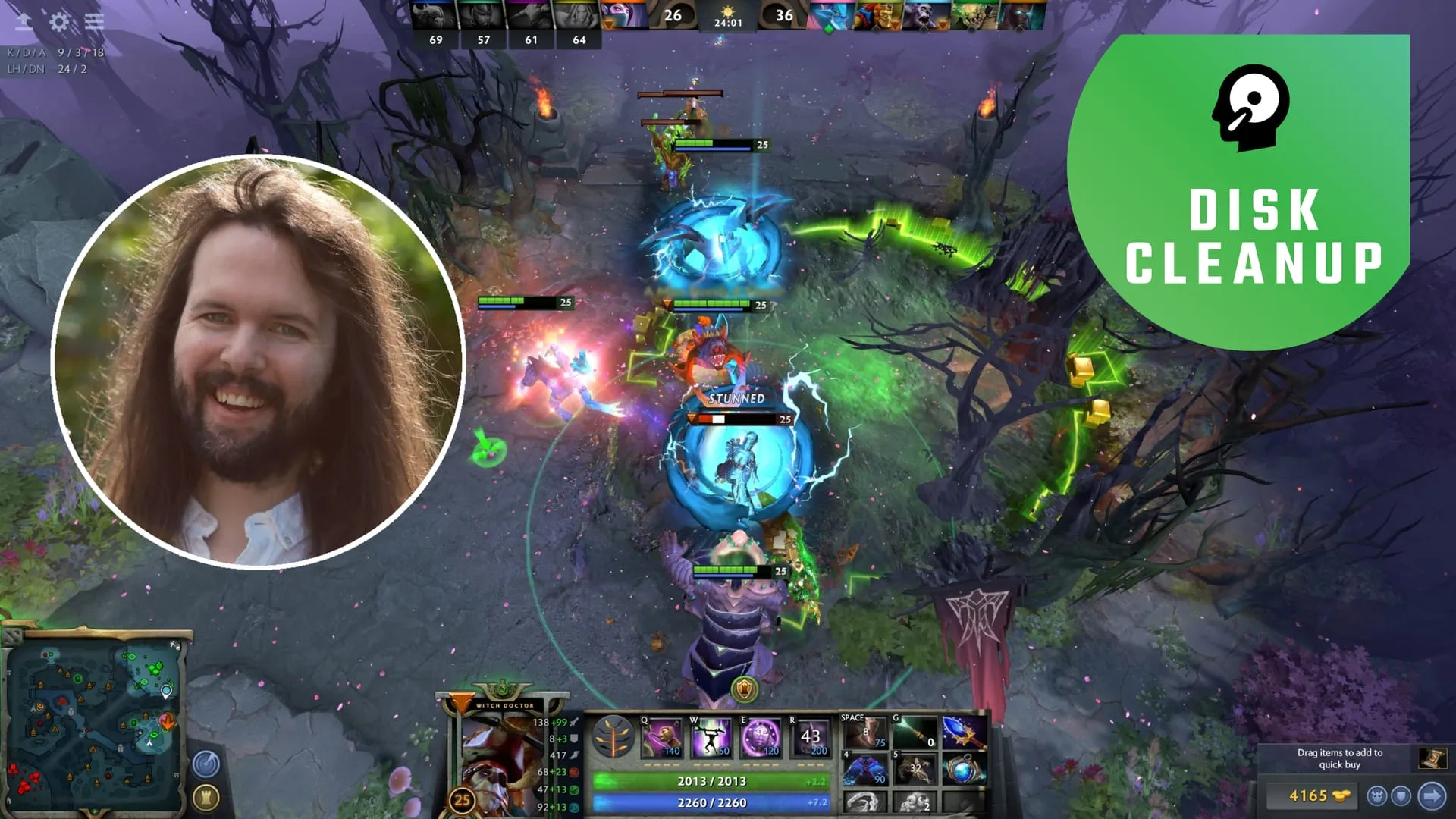
Welcome to the world of William Pugh, a gaming luminary whose journey from shareware antics to deep dives into game design reveals a fascinating perspective on art, community, and the software landscape.
Pugh’s gaming journey began with a diet of shareware Mac titles, but his first real taste of online multiplayer came while playing Scruffy versus the Invaders from Mars. This early exploration quickly led him into the world of modding and creative development. His exposure to the Source engine through games like Team Fortress 2 introduced him to the mapping community, leading him to collaborate with fellow modders. This creative path culminated in designing and writing The Stanley Parable, a game that offered a gleeful poke at player agency, solidifying his place as a creator.
From this foundation, Pugh founded Crows Crows Crows, focusing on comic adventures and VR experiences, including Dr Langeskov, The Tiger, and the Terribly Cursed Emerald and Accounting+. He continues to evolve this work, currently pursuing his next big project while also acting as a producer on the upcoming PS5 exclusive Hunter’s Moon, a historical folk horror game.
When it comes to current gaming, Pugh finds solace in the pure, unadulterated experience of titles like Deadlock. He sees the modern MOBA genre as having lost its innocence, noting that games like Deadlock successfully cut out the pointless mechanics, allowing the focus to remain on character and team interaction.
The passion for deep, immersive experiences extends to exploration games. Pugh has championed Big Walk, praising its emphasis on spatial audio and local, collaborative world-building. He observed the evolution of these experiences, noting how newer titles absorbed the core feeling of exploration while striving for deeper emotional resonance.
Yet, the most intense focus of Pugh’s time is undeniably on the complex, demanding nature of competitive strategy. His extensive time in Dota 2, accumulating 1,603 hours, serves as a potent case study in game design. However, this experience also bred a sharp critique of the competitive environment, highlighting the toxic nature of public matchmaking, where the focus shifts from skillful play to sheer aggression. He views the game less as pure fun and more as a challenging, taxing exercise in high-level mental endurance, fueling a desire for systems that reward genuine creativity over forced outcomes.
Beyond gaming, Pugh’s commitment to the craft extends to software development. He holds Blender in the highest regard, praising its status as an open-source, free tool. He argues that the open-source movement is essential because it puts the power in the hands of the creators, allowing art and innovation to flourish outside of proprietary, closed systems. He believes that open-source principles are the future, ensuring that tools remain accessible and constantly improving through community collaboration.
Ultimately, Pugh’s philosophy balances the enjoyment of creation with a deep appreciation for how games and software can serve as spaces for human connection and artistic expression, proving that the most enduring games are those that invite us to be—and make—something beautiful.
Buy on Amazon
Credit
