Drafting the Ethernet spec in 1980
The Wired Evolution: How Ethernet Built the Modern Digital World
Before the ubiquitous glow of the modern internet, a foundational technology was quietly laying the groundwork for global connectivity. In 1980, the blueprint for the Ethernet specification was officially published by a trio of titans: Digital Equipment Corporation, Intel, and Xerox. This DIX standard, established nearly three years before the World Wide Web took hold, wasn’t just a technical manual; it was the inevitable path that would define how computers would communicate across local networks and, eventually, the entire world.
The journey from an experimental concept to global standard involved overcoming early skepticism. Computer manufacturers were initially wary of embedding network adapters into their hardware, viewing it as potentially wasteful. However, the DIX standard proved to be a powerful mechanism, allowing any vendor to implement the specification in their own hardware, fostering widespread industry adoption.
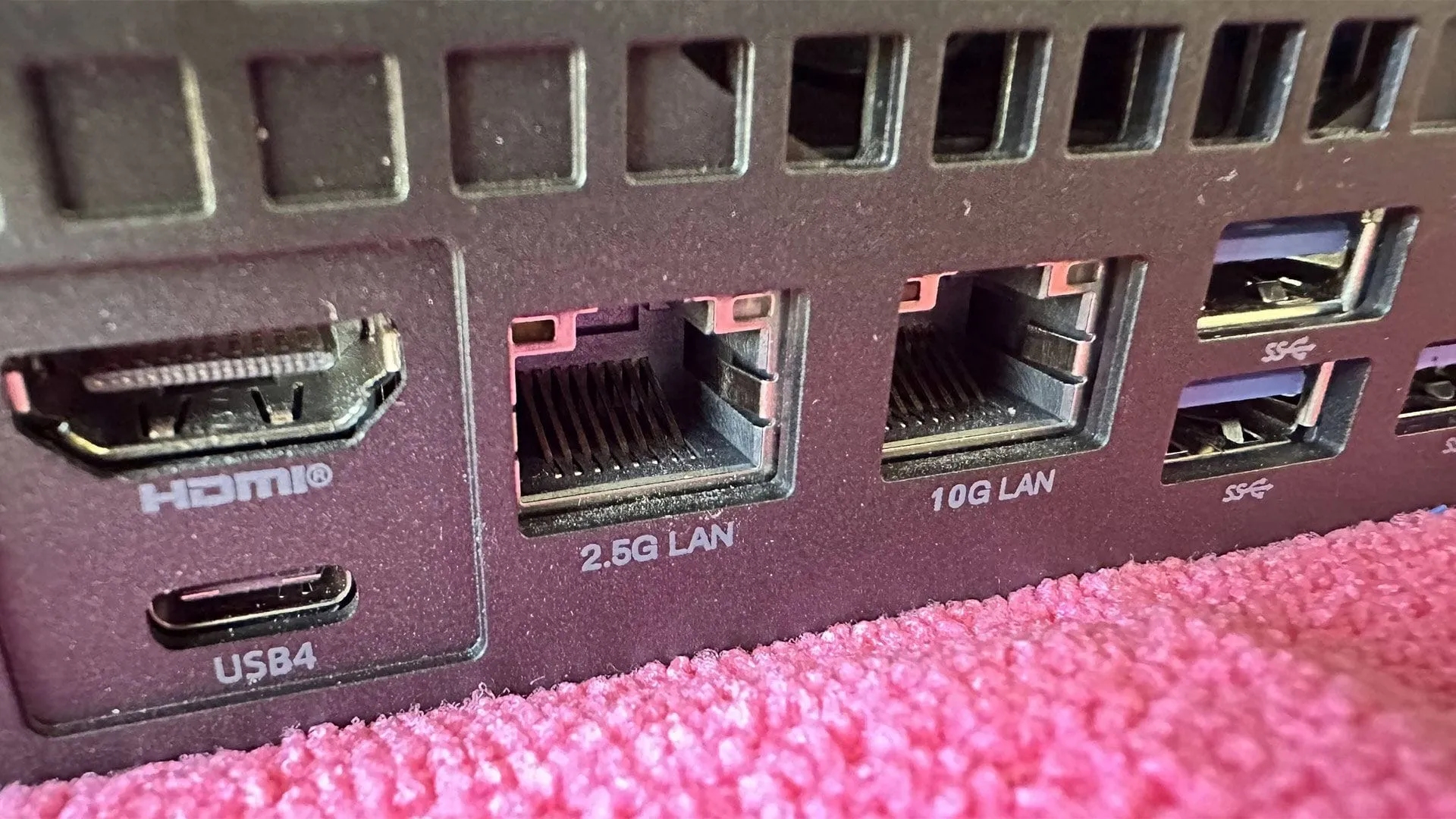
Ethernet began its physical evolution with simpler wiring. In 1980, it utilized coaxial cable and operated at a modest 10 Mbps. As the technology matured, so did the physical connections. Five years later, the industry shifted toward adapters featuring BNC connectors. This transition culminated in 1990 with the introduction of the RJ45 connector, which remains the standard for identifying Ethernet ports today, alongside the rise of 10BASE-T twisted-pair cabling.
The pace of innovation never slowed. Data speeds rapidly accelerated, hitting 100 Mbps in 1995. This was followed by the next massive leap, bringing Gigabit (1 Gbps) Ethernet into the fold. Each tenfold increase set a new benchmark for digital communication, pushing the boundaries of what was possible with network infrastructure.
Fast forward to today, and the demands on networking hardware are staggering. While new wireless technologies like Wi-Fi 7 offer impressive wireless speeds, wired Ethernet remains the undisputed champion for speed, stability, and low latency. For enthusiasts, home labbers, and competitive gamers, this reliability is paramount.
Even in the age of ultra-high-speed data centers, the preference for physical wiring persists. Where the physical infrastructure demands immense bandwidth, protocols like 800 Gbps+ Ethernet are now being transported over advanced fiber optics. This illustrates that the core principle—a robust, dependable connection—is timeless.
For users seeking a bridge between the wireless and the wired worlds, solutions like USB Type-C to RJ45 Ethernet dongles offer a convenient pathway. They allow users to leverage the stability of a physical wire when wired networking is available, proving that the evolution of Ethernet continues to adapt to every new technological convenience.
Buy on Amazon
Credit
