Drive shortage stops new CD player launches
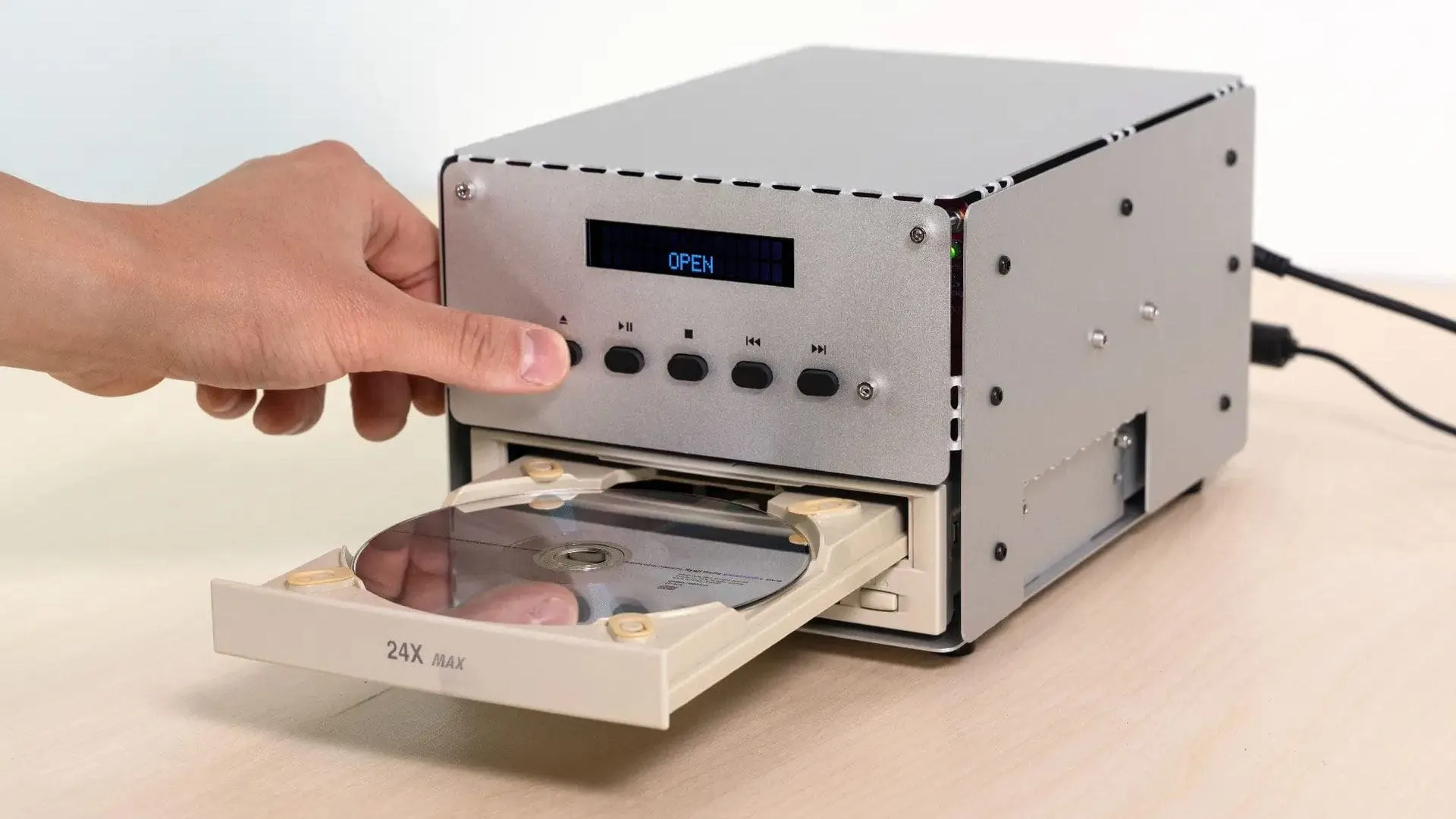
The hum of nostalgia is getting louder, and with it comes a fascinating paradox in the world of high-fidelity audio: as optical media like CD and vinyl experience a strong resurgence, the physical hardware required to play them is running into serious supply chain trouble.
The market for retro media is booming, with sales of these physical formats showing significant growth. Yet, this revival is hitting a snag at the component level. As optical drive and component manufacturers begin to cease production, high-end audiophiles and device makers are finding themselves navigating a choppy waters regarding maintenance and repairability.
Luxury audio brands, which often rely on bespoke, high-quality components, are feeling the pinch acutely. Companies such as PS Audio and Naim have been forced to halt production on some of their flagship CD players, prompting serious questions about the long-term viability of these collectible devices.
This hardware dilemma isn’t unique to the high-end sector. Manufacturers supplying these devices are facing intense pressure, often reliant on a limited number of suppliers for critical components. This dependency is creating a bottleneck, especially when demand spikes.
For example, PS Audio had to end production of the PMG Super Audio CD Transport because the parent company, D&M, ceased external orders for its necessary optical drives. Similarly, Naim faced the same challenge with its Uniti Star, necessitating a search for alternative component providers.
The component landscape is complex. While some makers like Musical Fidelity reportedly source key elements from SUOS-HiFi, others, like Marantz, are pursuing more internal control by developing their drives in-house. This internal approach offers a potential lifeline, allowing companies to mitigate risks when external suppliers falter.
The difficulty lies in the niche nature of the product. Even if manufacturers desire alternative sources, the production of specialized optical components remains a highly specialized skill. This reinforces the idea that the most secure path forward for these unique audio devices might involve internal design, which, as one company noted, is beyond the scope of current capabilities.
Ultimately, this situation highlights a broader manufacturing challenge: the inherent risk of relying on a single source for specialized technology. As the world embraces the tactile, nostalgic appeal of physical media, the industry must also evolve its supply chains to ensure that the future of high-fidelity audio is as robust and enduring as the music itself.
Buy on Amazon
Credit
