Drone attack hits Russia’s finance data center, tax databases at risk
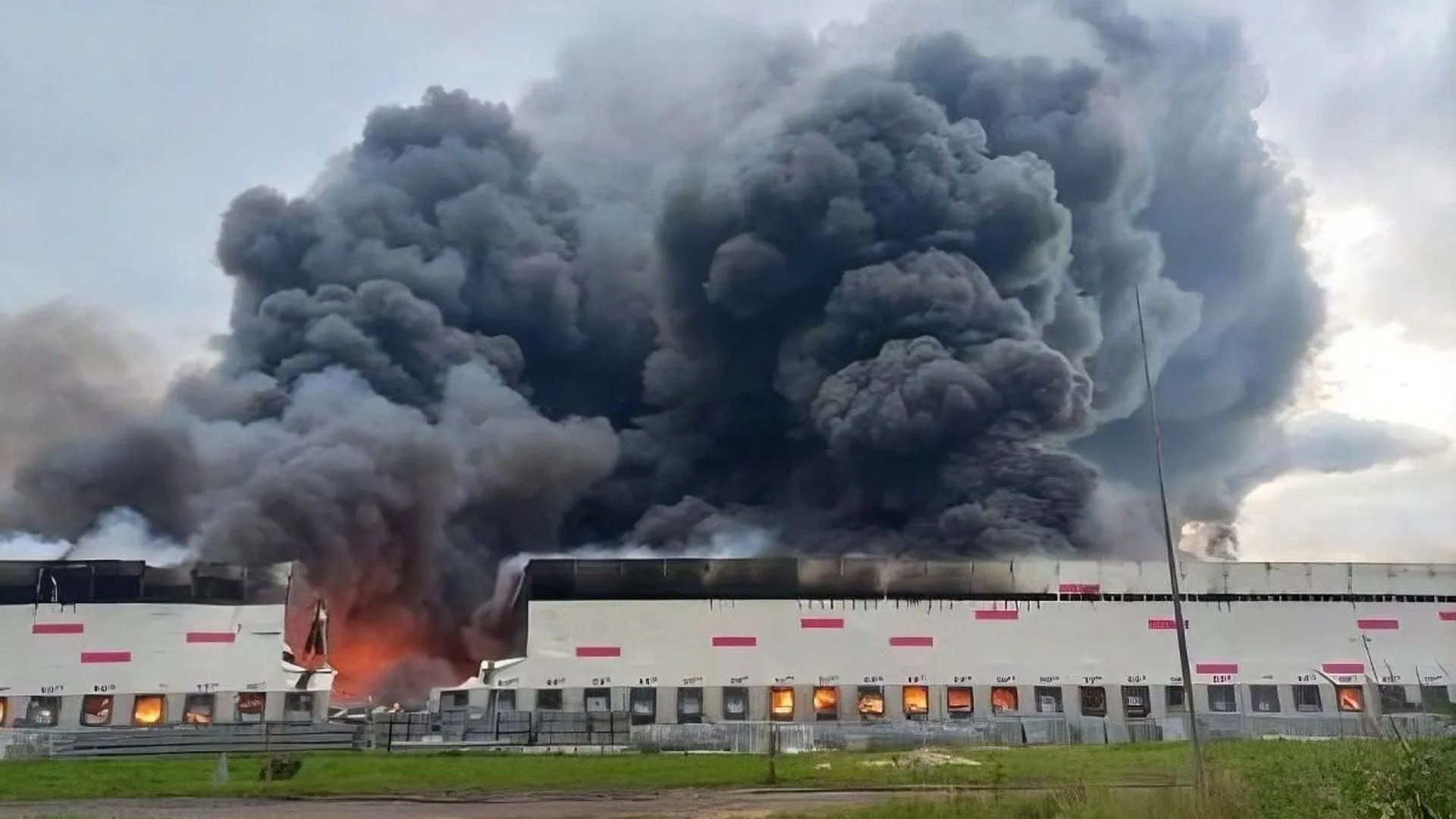
In the ongoing conflict, the battleground is no longer just physical territory; it has expanded into the digital realm. Data centers, the silent engines of modern society, have emerged as critical infrastructure and highly coveted targets in the war between Russia and Ukraine.
A recent strike highlighted this vulnerability. Drones damaged a government data center in the suburbs of Gorodets, an area some 230 miles east of the Kremlin. This facility, operated by the Russian Ministry of Finance, was reportedly housing crucial state registries, including the Federal Taxation Service’s tax database. The loss underscores the escalating threat to Russia’s digital backbone.
This facility was one of two key processing centers managed by the Federal Tax Service, operating in a geo-distributed mode. The damage to this location raises serious concerns about the potential disruption to the operation of state information systems across the Russian Federation.
The pattern of targeting has become starkly clear. Ukraine has repeatedly utilized drones to strike Russian data centers since October, demonstrating a strategy aimed at disrupting Russia’s technological and governmental operations. While the Russian finance ministry reportedly maintains other data centers—including facilities in Dubna and Yerzovka—losing this third location illustrates the increasing fragility of the nation’s digital services.
The stakes are exceptionally high when we consider the complex reality of digital warfare. Data centers are no longer mere buildings; they are the essential arteries of modern governance and commerce. When they are compromised, the ripple effects touch everything from public services to financial stability.
This theme of digital conflict is not unique. Other regions are also affected. For instance, in the Middle East, AWS data centers in the UAE and Bahrain were targeted by Iranian forces in response to the United States’ bombing campaign, prompting Amazon to advise clients to seek safer havens for their data.
Even in the shadow of the major conflict, the vulnerability of digital systems is evident in operational shifts. When Russian services faced intense strikes, such as those targeting Yandex data centers, disinformation networks were observed migrating to unaffected cloud hosts, allowing operations to continue despite the disruption.
The conflict’s intensity is further amplified by the use of advanced technology. The widespread and innovative deployment of drones has fundamentally changed the front lines, turning digital infrastructure into a key strategic target and highlighting the new, high-stakes dimensions of modern warfare.
Buy on Amazon
Credit
