Drone strikes cripple Russia’s data centers Yandex traffic nearly eliminated
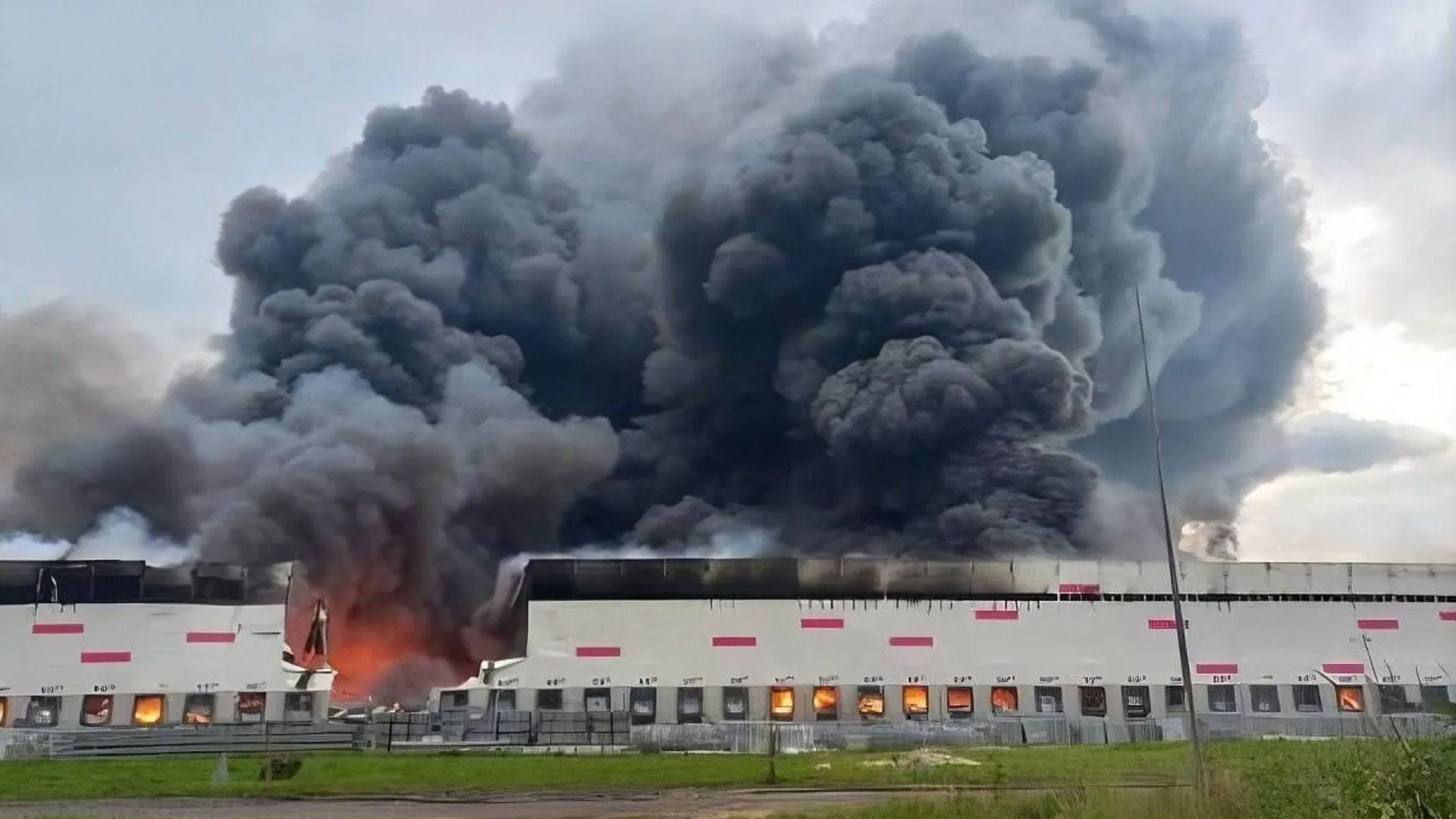
The Digital Frontline: How Drone Warfare is Disrupting Russia’s Digital Infrastructure
The conflict in Ukraine is not just fought on the ground; it is raging across the digital battlefield. Recent attacks by Ukrainian drones targeting Russian data centers have sent shockwaves through Russia’s digital infrastructure, demonstrating how the war is rapidly evolving into a battle for the backbone of modern communication and data.
These strikes, which target critical infrastructure, have led to dramatic consequences for major Russian tech services. Cloudflare reported that bot traffic originating from the Yandex network has plummeted, dropping to just 0.4% of the maximum number of HTTP requests recorded over the past two weeks. This drastic reduction signals a severe disruption to the flow of information.
The physical damage is mirrored by severe service outages. Yandex, Russia’s digital giant, is currently experiencing major difficulties, with reports indicating that at least 84 services are offline. Global internet monitoring firm NetBlocks estimates that network traffic for Yandex Cloud has fallen to 30%, and Yandex LLC traffic is down to 63%. For the average Russian user, this translates to slower services or complete disruptions.
The physical infrastructure of Yandex is now under siege. In a recent escalation, Ukrainian drones targeted a Yandex data center in Sasovo, located near the Kremlin. This was followed by another significant strike on a second, larger Yandex campus in Kaluga, knocking it offline just days later.
These actions are clearly part of a larger cycle of digital warfare. They appear to be Ukraine’s response to Russia’s own strikes on its own data centers, which have previously caused widespread service outages, including impacting access to some of the most popular piracy websites.
The war has seen a shift in military technology, moving from traditional tactics to sophisticated drone warfare. These new systems allow for long-range strikes, with specialized drones capable of reaching distances exceeding 1,500 miles. This evolution includes the use of drones to target strategic assets, such as bombers, dramatically altering the strategic landscape.
While Russia points to these attacks as a response to the conflict, the broader context of hostilities has evolved over time, with many observers noting that the initial period of conflict began much earlier, with events dating back to 2014.
The targets of these drone campaigns are increasingly blurring the lines between military and civilian infrastructure. While data centers on military bases are often viewed as legitimate targets, the targeting of civilian centers highlights the vulnerability of essential services in an era defined by asymmetric conflict.
Buy on Amazon
Credit
