EA ditches Mass Effect for Star Wars Battlefront
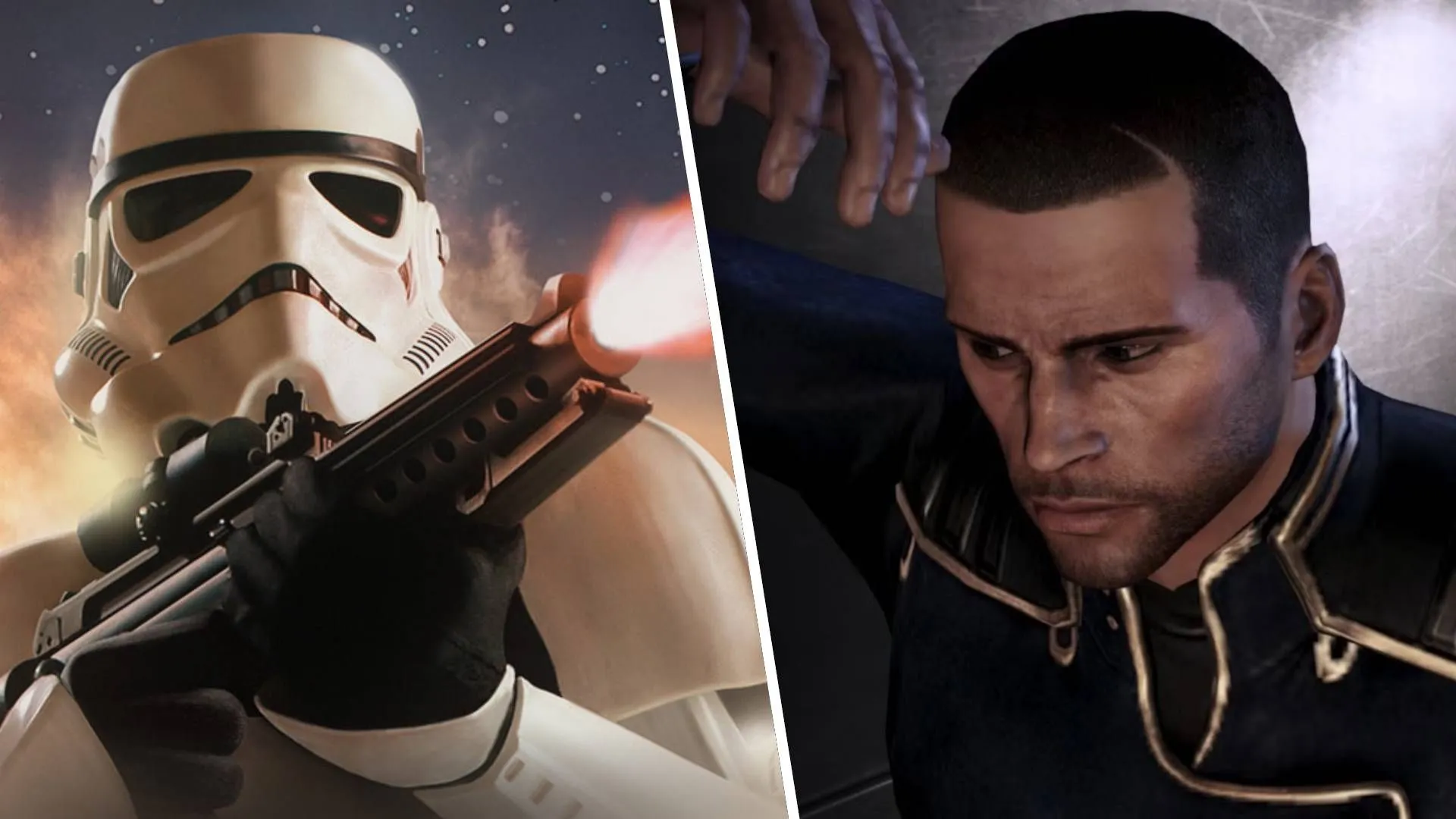
The story of BioWare’s journey under the umbrella of Electronic Arts has been one of slow decline and shifting fortunes. But behind the corporate restructuring and fading ambitions, there are specific, often thorny, details that explain why a beloved development house eventually found itself sidelined. The factors contributing to this narrative are a mix of critical reception, live service failures, and high-stakes corporate maneuvering.
One key indicator of the studio’s struggle emerged when EA evaluated its portfolio. A new Battlefront title, for instance, was deemed a less risky investment compared to the sprawling success of the Mass Effect Universe. This shift, while seemingly minor, added another layer to the complex equation of BioWare’s fate.
This new data joined a litany of challenges that observers pointed to when assessing the studio’s trajectory. Issues like the mixed critical reception for Andromeda, the struggles with the live service execution of Anthem, and the ongoing sales difficulties of titles like Veilguard all contributed to a challenging environment for the development team.
Adding to the internal pressures was the friction that developed between the studio and EA from the very beginning. This tension was compounded by a significant change in the organizational structure: the departure or sidelining of Laura Miele, who had historically served as a strong advocate for BioWare within the company. Instead, the leadership at the top of the EA organization, including sports executives David Tinson and Cam Weber, were promoted, signaling a change in internal power dynamics.
The narrative of BioWare’s end is not simply about creative failure; it is also about corporate realignment. While some observers debate the studio’s cultural impact, the concrete realities of the internal maneuvering and the high-level financial decisions provided the definitive context for why the knife was ultimately driven home.
Looking ahead, the industry is still watching. There is a lingering anticipation that a new Battlefront game might eventually surface toward the tail end of the 2030s. As the industry continues to evolve, the legacy of BioWare, marked by ambitious scope and complex relationships, remains a fascinating chapter in the history of game development.
Buy on Amazon
Credit
