EA killed Mass Effect and BioWare for Star Wars Battlefront 3
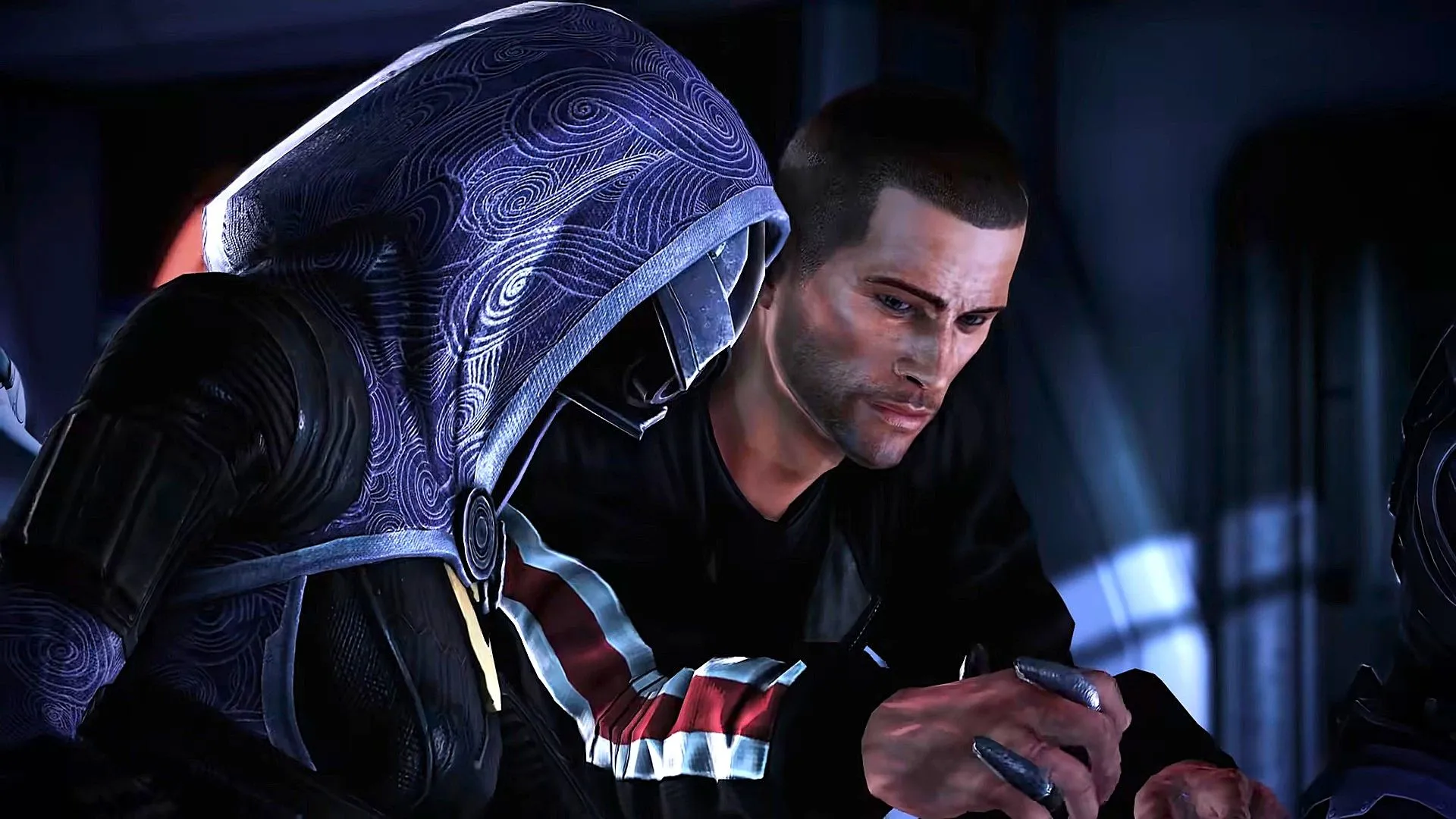
A week ago, the gaming world experienced a seismic shift: Electronic Arts officially announced the shutdown of BioWare and the cancellation of the Mass Effect franchise. For the devoted community, this move wasn’t just a corporate decision; it was the sudden, heartbreaking end of a legendary creative powerhouse, sparking a wave of grief and a furious demand for its legacy to be saved.
The reaction was immediate and passionate. Fans rallied through petitions, fundraisers, and public campaigns, attempting to rally support and prove that the enduring appeal of the Mass Effect universe was worth fighting for. The sheer scale of the community’s desire to preserve these iconic titles demonstrated just how deeply embedded the Mass Effect saga was in the gaming zeitgeist.
But behind the outpouring of public emotion, the real story involves boardroom decisions and complex financial calculations. Why did a giant like EA choose to sever ties with a studio renowned for creating some of gaming’s most celebrated role-playing experiences? The answer, as reported by industry insiders, is a volatile mix of business strategy and shifting priorities.
One major driving force cited in the decision was the immense lure of other opportunities. Sources suggest that a major deal involving Walt Disney and Lucasfilm for the development of Star Wars Battlefront presented EA with an irresistible, high-profile alternative. Simultaneously, the publisher was navigating significant financial pressures, including a massive buyout by Saudi Arabia that saddled the company with substantial debt.
Facing these competing demands, the decision to cancel the next installment in the Mass Effect series became a strategic pivot. It was deemed a safer, more predictable bet for EA to focus its resources on their preferred genres—shooters like Battlefield”>Battlefield—rather than risking further development on a sprawling RPG franchise.
The internal calculus also factored in performance and corporate restructuring. Other contributing elements included the mixed reception of recent titles, such as Mass Effect: Andromeda and Anthem”>Anthem, alongside disappointing sales figures for titles like Dragon Age: The Veilguard, which missed sales expectations significantly.
Furthermore, corporate politics played a role. Reports indicated that internal shuffling of executive ranks over the summer contributed to a climate where long-standing advocates for BioWare, like Laura Miele, found themselves sidelined during a period of strategic realignment.
When asked about the closure, an EA spokesperson maintained a professional distance, stating that the decision was the result of months of planning, review, and analysis, focusing on evolving business conditions and long-term priorities. The message was clear: tough choices had to be made to focus teams on the biggest opportunities across the portfolio.
Ultimately, the story carries a profound and sobering irony. BioWare, the studio credited with crafting some of the most beloved Star Wars entries, was ultimately sidelined due to the very franchise it helped support. It stands as a poignant reminder that in the cutthroat world of gaming, sometimes the most compelling narratives are sacrificed on the altar of balance sheets. Fans now look to new developers, like Owlcat Games, to carry the spirit of that legendary work forward.
Buy on Amazon
Credit
