EA lays off 400 staff and closes Bioware
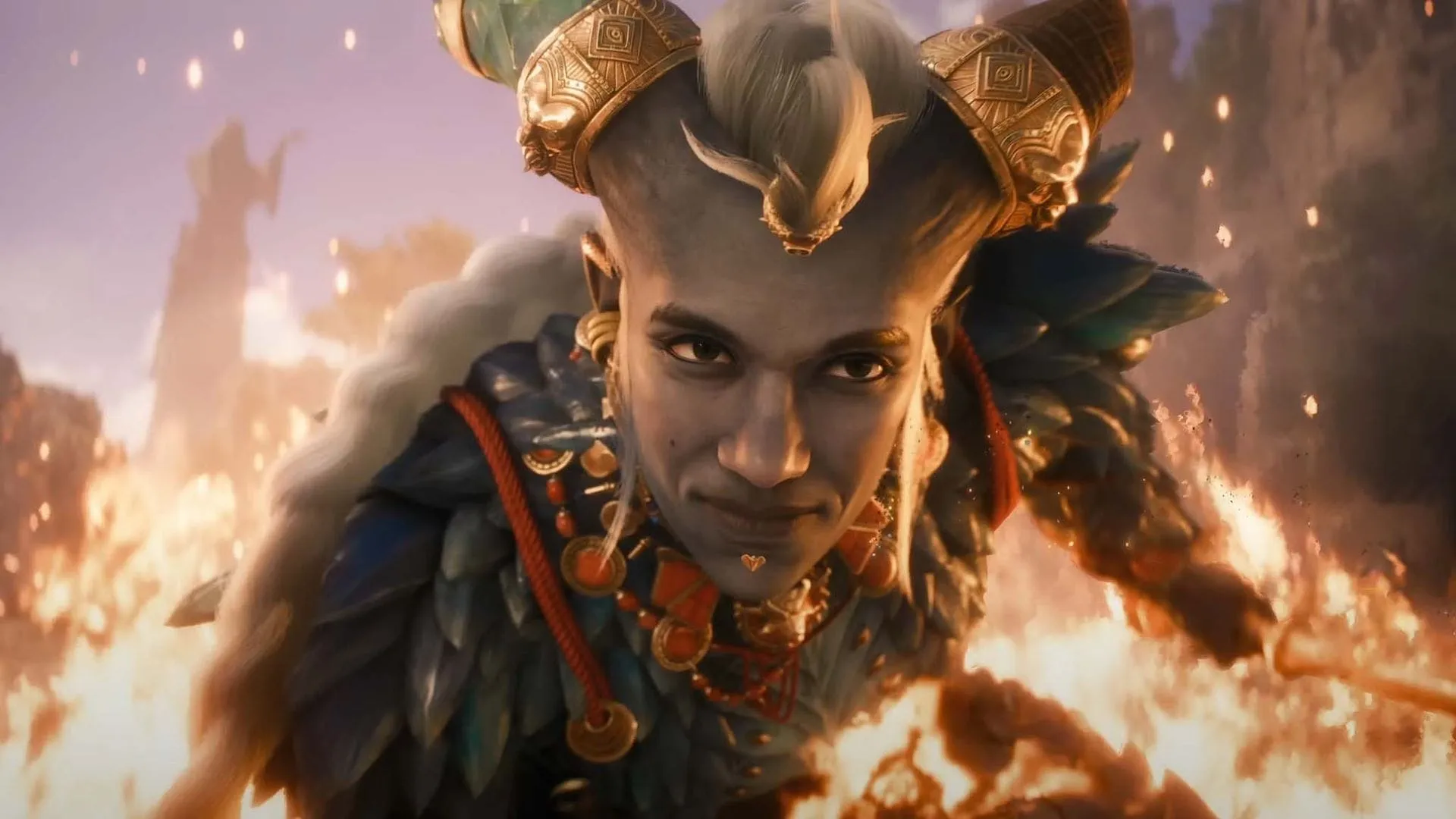
The End of an Era: Electronic Arts Shuts Down BioWare
The gaming industry is currently grappling with a significant shake-up, as Electronic Arts (EA) is closing the doors on BioWare, the legendary studio responsible for iconic franchises like Dragon Age and Mass Effect). This decision is part of a wider corporate restructuring by EA, which involves cutting approximately 400 jobs across the company.
These layoffs represent about 3% of EA’s total workforce, and roughly 50 of those positions are within BioWare, signaling a serious shift in how the publisher is managing its creative output and future development.
The uncertainty surrounding BioWare’s future stems from a series of challenging projects and disappointing receptions. Titles like Dragon Age: The Veilguard and the overhyped Anthem failed to meet expectations. While there was hope for redemption through upcoming titles, the promise of a successor to the epic Mass Effect 5 was ultimately cancelled, adding further instability to the studio’s trajectory.
This operational restructuring followed EA’s broader strategic move to become a private company in August, prompted by a substantial leveraged buyout. This move, involving a $55 billion deal led by Saudi Arabia’s investment fund, led to a directive to slash up to $700 million in research and development costs across the board.
Despite these cuts, EA remains focused on maintaining its portfolio of successful franchises. The company continues to heavily invest in its sports portfolio, including Apex Legends and upcoming titles like the next Star Wars Jedi game and Marvel’s Iron Man. Furthermore, the team behind Skate will continue development, even as the team supporting it is downsized.
The weight of these changes is particularly felt by the BioWare community. The studio released a heartfelt statement, reflecting on its legacy and reminding players of the incredible games they have created, from Baldur’s Gate to Star Wars: Knights of the Old Republic. The closure marks the end of a creative chapter, leaving behind a profound legacy within the role-playing genre.
Buy on Amazon
Credit
