Eastern Diablo’s mythology sets it apart
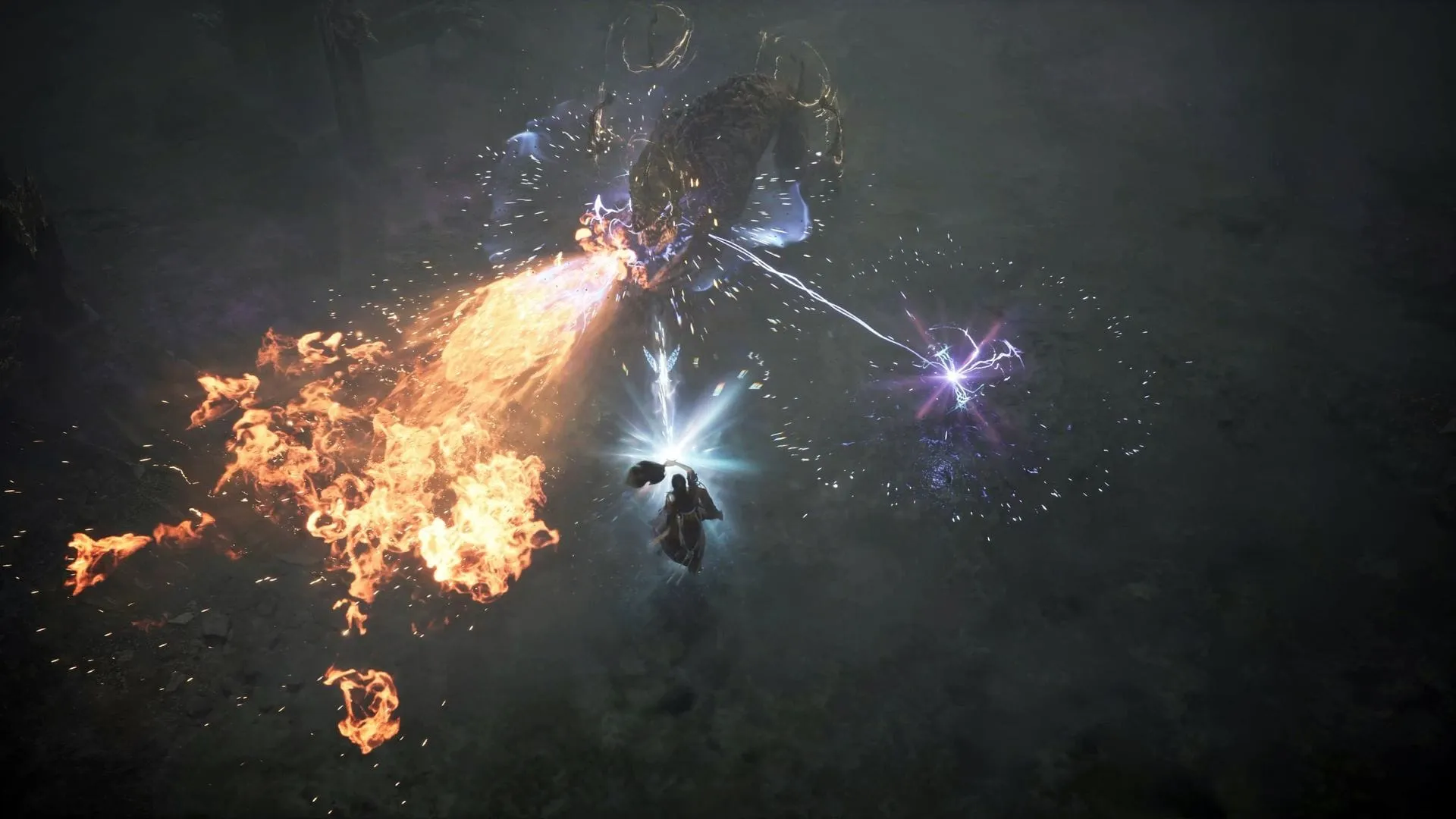
When I first encountered Tarae: The Unbound, my immediate reaction was one of familiarity. Developed by Boundary and published by Krafton, the game immediately slotted itself into the familiar mold of a dark fantasy action RPG. It shared the visual language of isometric combat, frantic screen-clearing battles, and a loot-driven progression loop that felt intensely reminiscent of the classic Diablo.
Walking into the Gamescom experience behind the scenes, I confess, I was skeptical. The market is saturated with ARPG clones chasing the ghost of Blizzard’s success, leading me to assume this was simply Ctrl-C and Ctrl-V applied to a proven formula. However, sitting down with the creators and diving into the game revealed something far more nuanced than a mere imitation.
While the mechanical foundation is undeniably familiar, the core identity of Tarae is fundamentally rooted in Eastern mythology and Buddhist cosmology, setting it distinctly apart from traditional Western medieval fantasy.
The team behind the project consciously aimed to move beyond the tired aesthetics of gothic cathedrals and knightly tropes. Instead, the game drops players into a world spanning the 15th to 17th centuries, shaped entirely by Eastern visuals and traditions.
The narrative isn’t a simple good-versus-evil setup; it is a deep dive into the principles of Buddhist cosmology and the Six Realms of Rebirth. Players navigate realms like the Asuras, Hungry Ghosts, and Hell, all intricately tied together by the complex mechanics of karma, fate, and Yin-Yang.
This cultural depth permeates the gameplay. Players are given the choice of six classes, each built around historical Eastern occupations. This includes a Samurai who can instantly swap stances, a Tiger Hunter who employs traps and weaponry, and a Manshin who draws upon Korean shamanic traditions.
Where the game truly shines is in its boss encounters and progression system. The developers packed the game with over 80 unique bosses, none of whom are just static stat sponges. These encounters are multi-phase fights intrinsically tied to folklore, forcing players to master the enemy’s attack patterns rather than simply grind for better stats.
Furthermore, the progression is cleverly structured. Once a player completes a campaign with one class, they unlock the rest for the endgame, allowing for diverse playthroughs without redundant story grinding.
This fusion of familiar action RPG mechanics with a genuinely distinct lore and aesthetic suggests that Tarae: The Unbound might be more than just another clone. Scheduled for release in 2027, the game will be available on Xbox Series X|S, PlayStation 5, and Steam, offering a unique, mythologically rich experience for players ready to explore beyond the Western medieval tropes.
Buy on Amazon
Credit
