Edge may ditch Favorites for Bookmarks
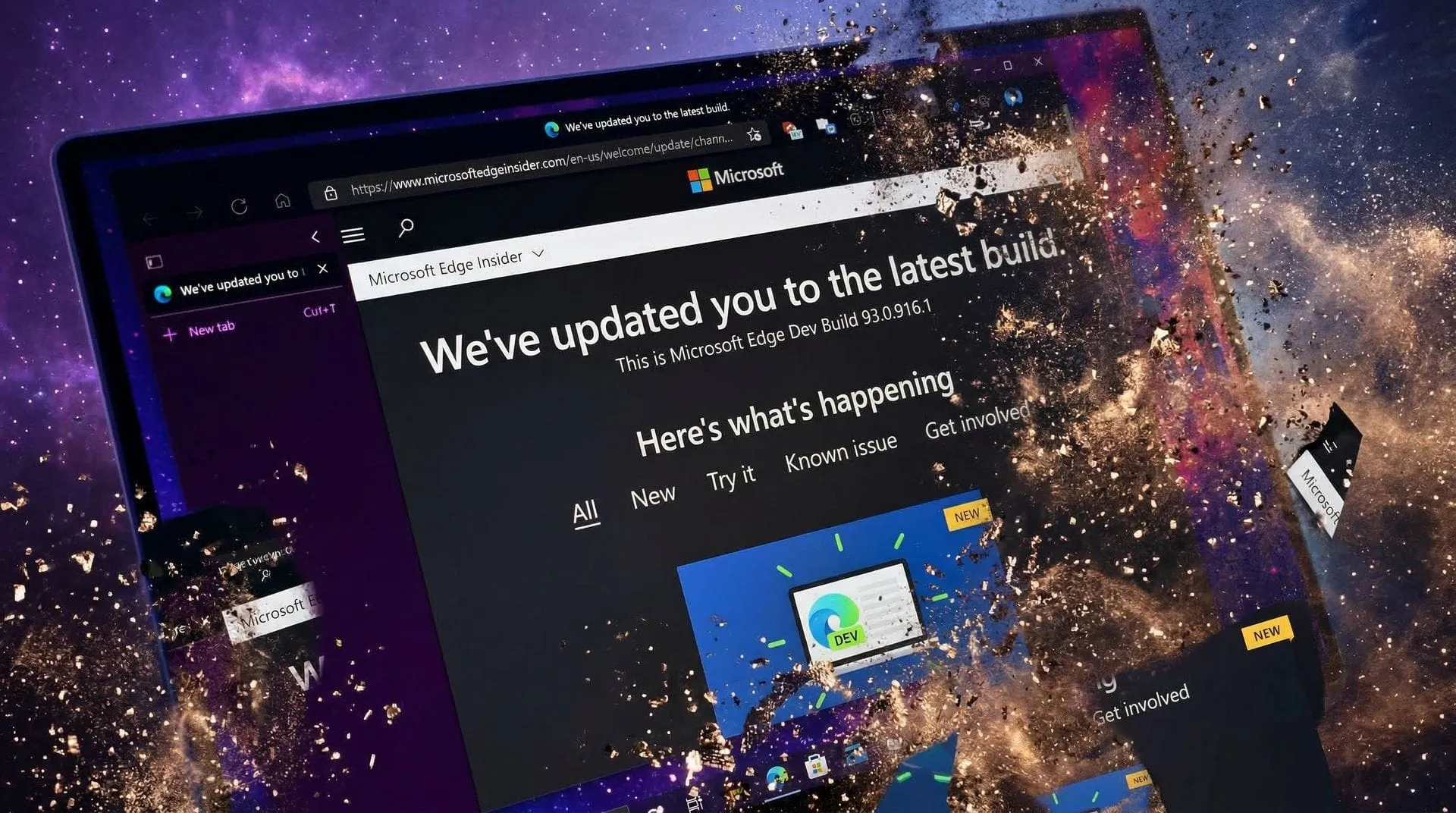
The digital landscape is constantly evolving, and in the world of web browsers, even the simplest interface changes can spark a flurry of debate. Microsoft Edge is currently testing a shift that aims to bring it closer to its biggest competitor, Google Chrome, by potentially changing how users organize their links.
This subtle but significant update involves renaming the familiar “Favorites” bar in Edge to “Bookmarks.” This move isn’t just semantic; it reflects a broader industry trend toward standardization within the Chromium ecosystem. The change is already being tested in Edge’s Canary version, signaling a future integration that promises a more cohesive user experience for those migrating from Chrome.
The real question is whether this update is merely cosmetic or if it signals a fundamental reorientation of Edge’s identity. While the technical details are exciting for developers, the impact on the average user experience is where the true friction lies.
Despite the aesthetic adjustments, some users still harbor lingering skepticism about Edge. There is a widespread assumption that the browser is somehow inferior to Chrome, often linking it to older perceptions of Internet Explorer or simply assuming it lacks the polish of its rival.
However, the reality of browser dominance tells a different story. While opinions may linger, data reveals the undisputed heavyweight champion of the browsing world. Chrome currently commands a commanding 66.36% market share, significantly outpacing Safari, which holds an 18.27% share, and Edge sits in third place with a 6.04% market share.
This market reality is further amplified when looking at mobile usage. Chrome is even more dominant on mobile devices, whereas Edge holds virtually no traction in this segment. For a browser to truly thrive, it must address these stark statistical differences.
Ultimately, in a market dominated by a clear leader, the focus shifts from mimicking competitors’ interface elements to establishing genuine differentiation. While aligning with Chrome on basic features might offer a stepping stone, Microsoft’s long-term success will depend on carving out a unique and compelling experience that sets Edge apart from the rest of the pack.
Buy on Amazon
Credit
