Elder Scrolls lore inspired by a typo Kurt Kuhlmann is 100% convinced
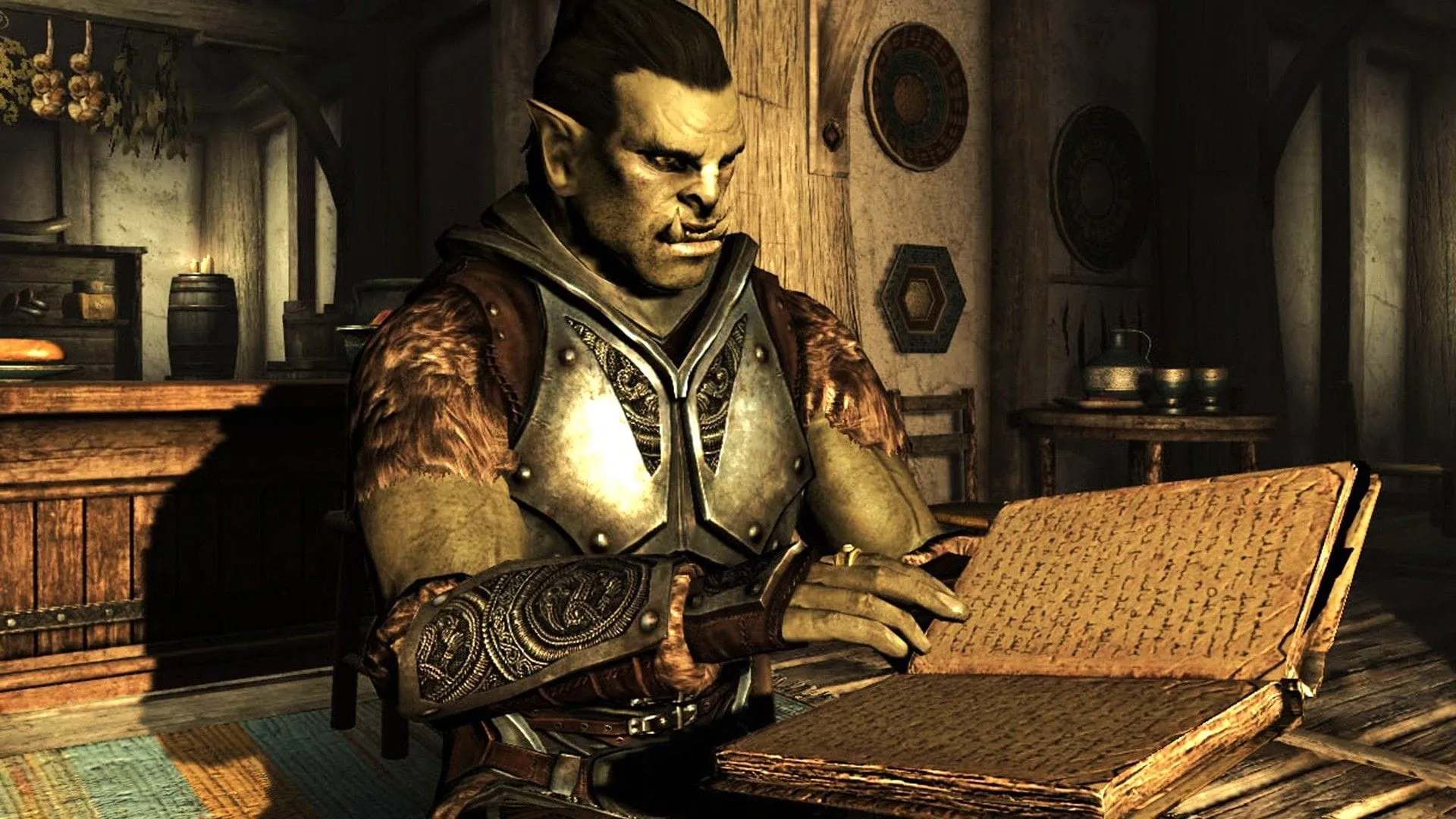
The Paradox of Time: How Elder Scrolls Broke the Rules of Continuity
In the sprawling, often bewildering universe of The Elder Scrolls, the concept of time itself is far from linear. While players navigate the ancient lands of Tamriel, the lore surrounding major events—especially the dramatic “Dragon Break”—reveals a fascinating interplay between magic, coincidence, and pure narrative serendipity. It’s a story that highlights how massive, long-running franchises manage to weave seemingly contradictory timelines into a cohesive, living mythology.
One of the most compelling examples of this temporal trickery is the notion of the “Warp in the West,” a post-facto determination within the series that suggested every ending of The Elder Scrolls Chapter 2: Daggerfall occurred simultaneously. This realization, driven by the flow of magic, suggests that in Tamriel, cause and effect often bend rather than strictly follow a straight line.
This accidental temporal entanglement is often traced back to the brilliant, slightly chaotic work of the lore masters. Figures like Kirkbride, known for infusing Morrowind with unique flavor, and writers like Kurt Kuhlmann, played a crucial role in setting these paradoxes. Their influence helped introduce concepts that blurred the lines between history and metaphysics, adding that delicious layer of timey-wimey shenanigans to the world.
When attempting to ground this magical chaos, some creators explored the idea that the confusion might not stem from metaphysical forces, but from simple matters of bias, flawed transcription, and imperfect record-keeping. This approach—questioning whether the timeline is broken or simply misinterpreted—adds another layer of intellectual depth to the lore, turning an event into a philosophical puzzle for the dedicated fan.
The brilliance of the Elder Scrolls, and the broader Bethesda approach, lies in embracing this ambiguity. Rather than forcing a strictly linear chronology, the narrative seems to operate on a principle of story continuity, where the emotional and thematic beats of the series take precedence over rigid historical accuracy. This “fuck it, we ball” philosophy allows the mythology to breathe and evolve.
This ability to handle temporal complexity mirrors the broader challenge faced by any studio tackling a sprawling RPG series: how do you preserve and represent the multitude of player choices and narrative forks across successive installments? Whether it’s the subtle contradictions found between different titles, or the sheer volume of lore that must be managed, maintaining a consistent narrative thread across a billion-dollar franchise remains a masterclass in creative flexibility.
Credit
