Elon Musk calls out chip price gouging Micron’s smart play
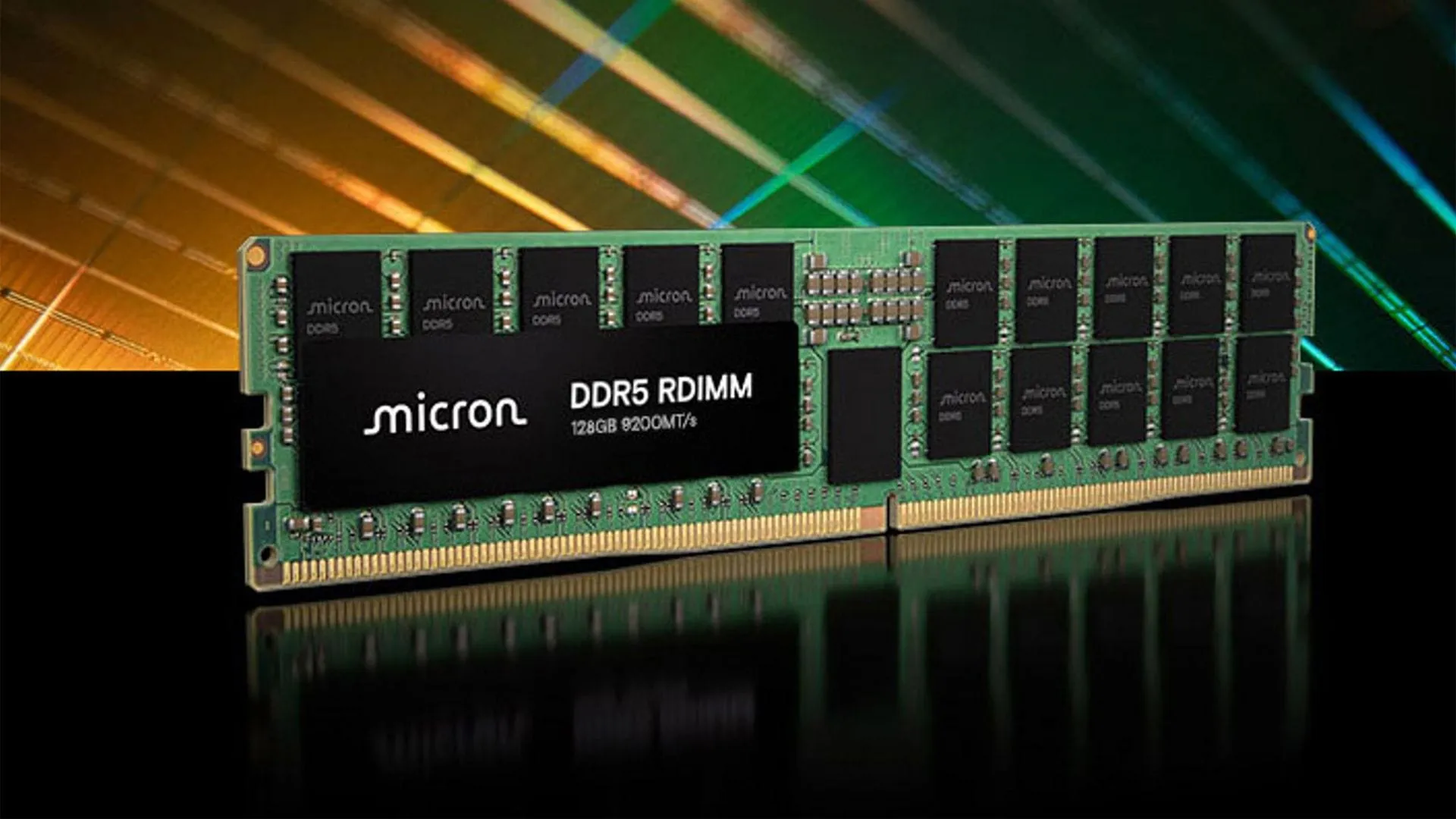
In the high-stakes arena of artificial intelligence, where every computation demands staggering amounts of data, the supply chain for memory—DRAM and High-Bandwidth Memory (HBM)—has become the defining bottleneck. Amid this intense global competition, even the titans of technology are grappling with the volatile pricing policies of the memory makers themselves.
Elon Musk recently weighed in on this market friction, suggesting that while a shortage of essential memory components drives prices up, some suppliers have engaged in what he termed extortionate pricing. His comments seem to target South Korean memory manufacturers, implicitly drawing a sharp contrast with companies like Micron, which he praised for maintaining a more reasonable stance on future pricing.
This tension highlights a fundamental shift: memory has evolved from being a simple commodity into a strategic, indispensable asset. The current environment is characterized by unprecedented demand from AI data centers, yet the physical supply still lags significantly behind this explosive need. Historically, manufacturers responded to surging demand by aggressively expanding capacity, which inevitably led to oversupply and price deflation. This time, however, the situation is different. Memory producers have repeatedly raised prices severalfold without a corresponding increase in production capacity, ensuring that supply remains constrained and prices are under intense upward pressure.
The contrast in market behavior is stark when looking at financial performance. While the market struggles with pricing, some companies are demonstrating exceptional profitability. Micron, for instance, has excelled, achieving a gross margin of 81% in its latest quarterly report. Furthermore, the company’s focus on client revenue—particularly in mobile and client devices—yielded remarkable results, with non-GAAP gross margins hitting 90%. This performance suggests that even under strained conditions, smart business strategies can translate market leverage into extraordinary profits.
Recognizing the risks inherent in the supply crunch, memory manufacturers are increasingly pivoting toward long-term supply agreements (LTAs). These contracts aim to provide customers with predictable pricing and guaranteed future supply for DRAM, HBM, and NAND. Micron has already secured significant commitments, signing agreements that cover more than 35% of its expected revenue through 2030, committing to over $32 billion in customer financial assurances.
Competitors are following suit. Samsung and SK hynix are also securing similar long-term contracts, reportedly covering 75% to 80% of their planned memory output through 2027, aligning their capacity strategies with the continued investments in AI infrastructure. This shift underscores a critical reality: manufacturers now possess considerable leverage, effectively using their strategic position to shape the terms of the memory market.
Market observers anticipate that these supply shortages will persist well into the future, with expectations pointing to continued constraints through at least 2028. While suppliers are eager to capitalize on their position, the ongoing dialogue suggests that today’s pricing policies will inevitably influence future customer relationships once the balance between supply and demand eventually recalibrates.
Credit
