Elon Musk mocks Altman over PC RAM debate
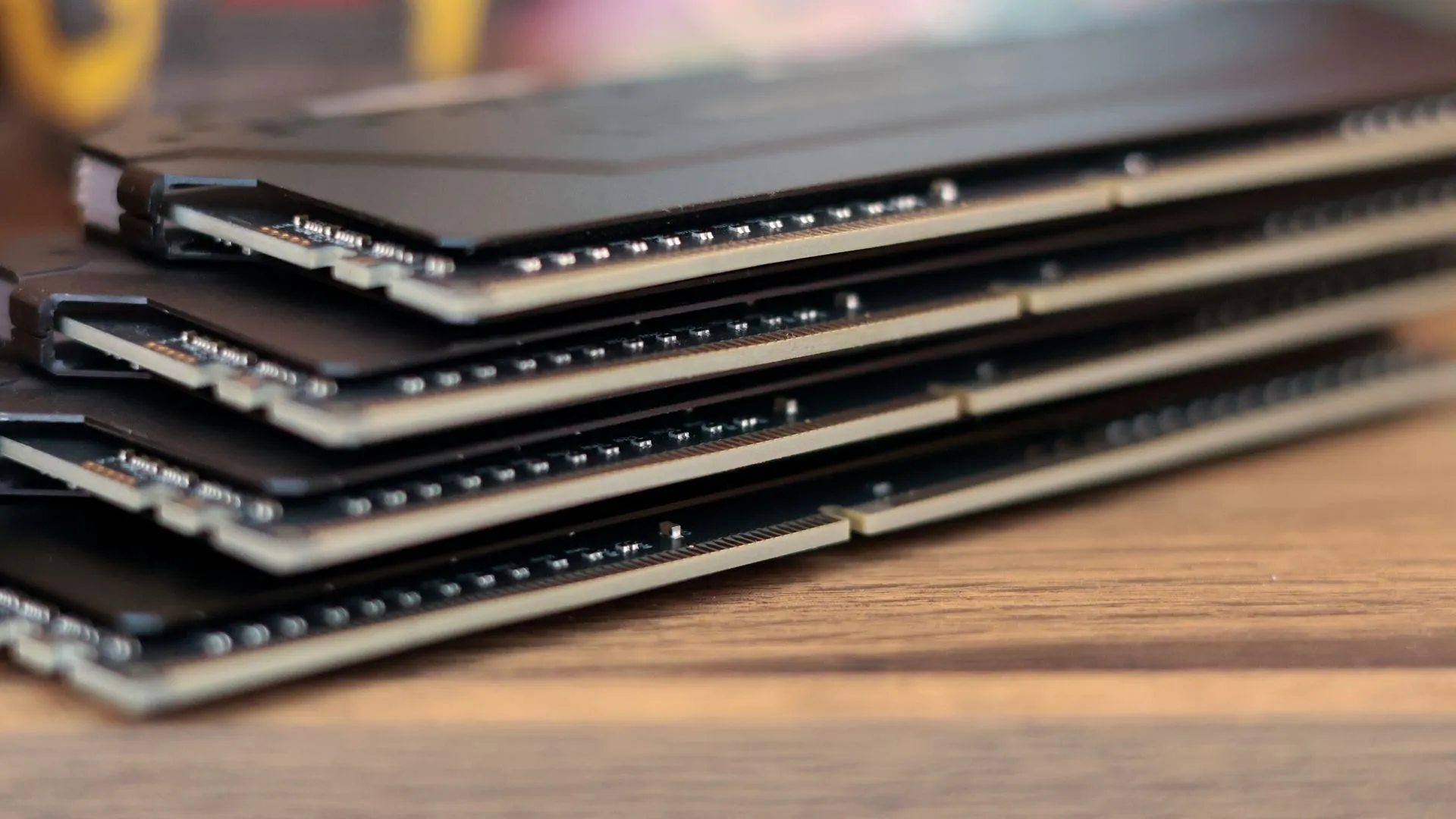
The global race for artificial intelligence is not just a technological sprint; it is an economic bottleneck, and the memory chips powering this revolution are the current battleground. At the heart of this tension is a spirited, and often pointed, debate among tech titans about where precious resources should be allocated: powering home computers or fueling the gargantuan appetite of AI data centers.
OpenAI CEO Sam Altman recently took a strongly worded stance on this issue, arguing that the way DRAM is currently distributed is fundamentally flawed. During an appearance, Altman suggested that it is “quite terrible” for general home computer users to possess large quantities of DRAM, pointing out that these resources would be far better utilized in the massive scale of AI data centers. He argued for maximum utilization in the cloud, suggesting that focusing memory allocation on AI infrastructure would serve the larger global supply constraints better.
This philosophical disagreement quickly spilled over into the social media arena. Elon Musk, known for his provocative style, seized the opportunity to mock the sentiment. He shared a meme on X referencing a movie scene where a German WWII officer is depicted hunting for hiding sticks of DRAM, perfectly capturing the absurdity of the situation and the intense competition for this essential component.
While the debate over utilization is fascinating, the real-world impact is measured in dollars and chip scarcity. The shift toward AI infrastructure has created a runaway demand for components, pushing prices skyward across the entire technology spectrum. As chipmakers pivot their factories to prioritize the hungry demands of hyperscale data centers over the consumer market, the cost of everything has dramatically increased.
This inflationary pressure is now being felt directly by everyday consumers. Companies previously thought insulated from component volatility are now grappling with soaring prices. Apple, for example, has seen price hikes across its entire lineup, including its Mac and iPad offerings, alongside increases in its iPhone prices. Similarly, Lenovo has signaled that the “RAMageddon” has become the new normal, outlining survival guides for a world where component costs are perpetually escalating.
The story of the memory market is further underscored by the warnings from the chip manufacturers themselves. Producers of DRAM, including Samsung and SK hynix, have issued stark alerts, predicting that the AI-driven demand will keep memory shortages looming well into 2027 and beyond. Customers are now reserving supply years ahead, recognizing that the appetite of the AI sector will continue to dictate the availability and pricing of memory.
Ultimately, the hunger for powerful AI infrastructure ensures that the components powering it will remain highly coveted. As the demand for AI data centers shows little sign of slowing, the economic reality is clear: the pursuit of artificial intelligence is simultaneously driving up prices and tightening the supply chain for every piece of technology we use.
Credit
