Emotional Audio $4700 Hub with 7 Isolation Stages
In the world of high-fidelity audio, where phantom sonic characteristics are often attributed to the gear itself, a new obsession is quietly taking hold: audiophile-grade networking hardware. This trend follows the long, winding path of audiophilia nervosa, where enthusiasts seek novel ways to assign emotional and sonic meaning to every piece of equipment, even when discussing purely digital systems.
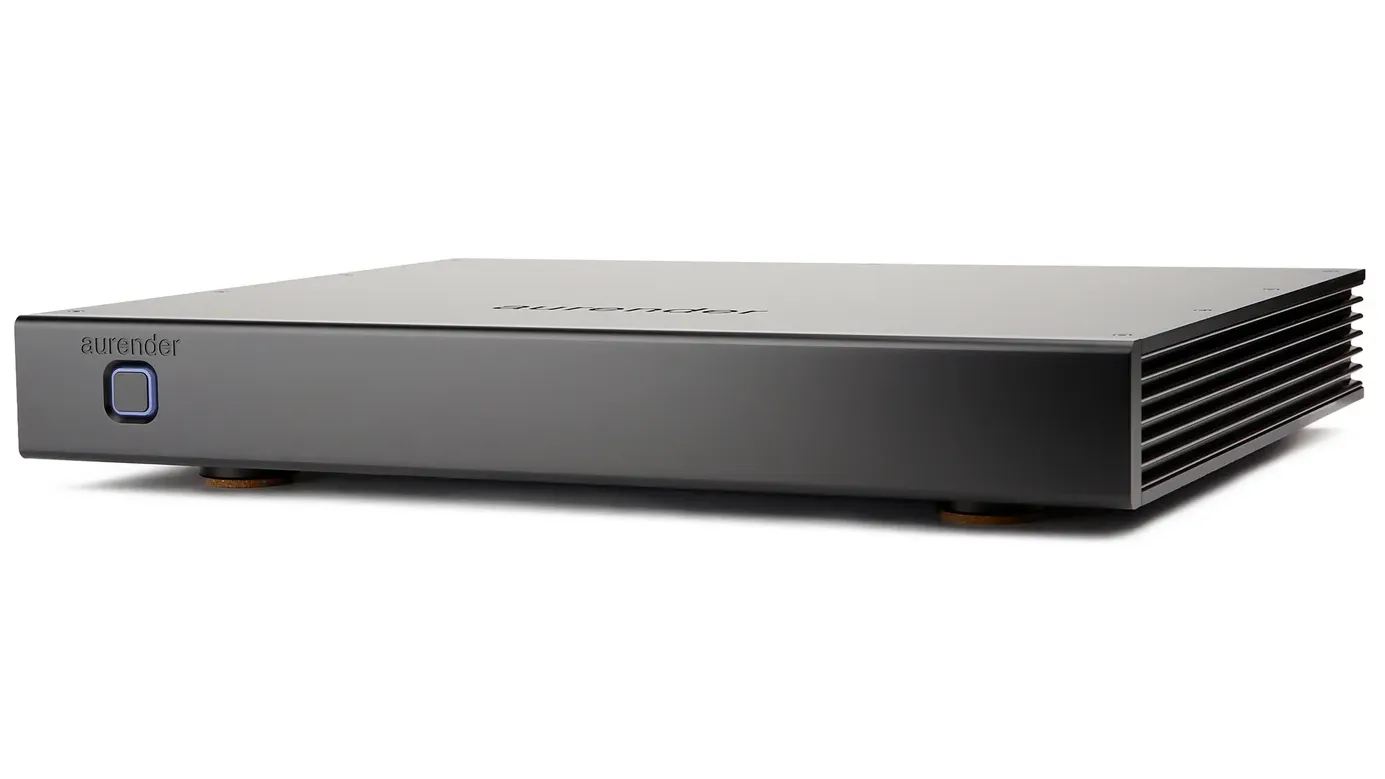
The latest example of this fascination is the Aurender NH10 Network Hub, which commands a hefty price tag of $4,700. This device, ostensibly a network switch, is packed with eight gigabit ports, offering a tempting blend of copper and fiber connectivity. The promise of pristine sound quality is tied to the assumption that the network infrastructure itself is a critical element in the audio chain.
Beneath the glossy surface of high-end networking, the technical details reveal an interesting, if slightly bewildering, reality. While the device boasts fiber ports that are electrically isolated, the true marvel lies in the internal workings. The switch incorporates complex clock synchronization using an OXCO controlled by an FPGA, alongside components like the Realtek RT8370N switch controller and an MV85 oscillator. Even the electrical filtering stages are a point of contention; while some experimentation suggested over ten stages, the final configuration settled on seven, reportedly based on listening comparisons rather than pure engineering mandates.
Despite this impressive collection of high-end components, the core question remains: does this sophisticated networking hardware actually alter the sound output? The answer, from a purely physical standpoint, is a resounding no. The Ethernet protocol inherently includes robust error correction, such as Cyclic Redundancy Check (CRC), ensuring data integrity across the network. Furthermore, the process of converting digital data into an analog signal is handled downstream, electrically isolated at the Digital-to-Analog Converter (DAC) stage, not at the network or switch level.
This perspective suggests that the focus on network latency or jitter is largely irrelevant at the level of data transmission. Just as clock synchronization is crucial in a recording studio for matching tape machines, the variables introduced by a network switch do not fundamentally impact the final acoustic experience.
This brings us to the wider context of the audiophile pursuit. One might wonder what the true impact of this gear is, considering the vast difference between the cost of the hardware and the actual physical processes that generate sound. It prompts a reflection on the gap between specialized obsession and objective reality, making one pause and consider the layers of myth that surround high-end technology.
Buy on Amazon
Credit
