Endgame fear after WoW Forever beta
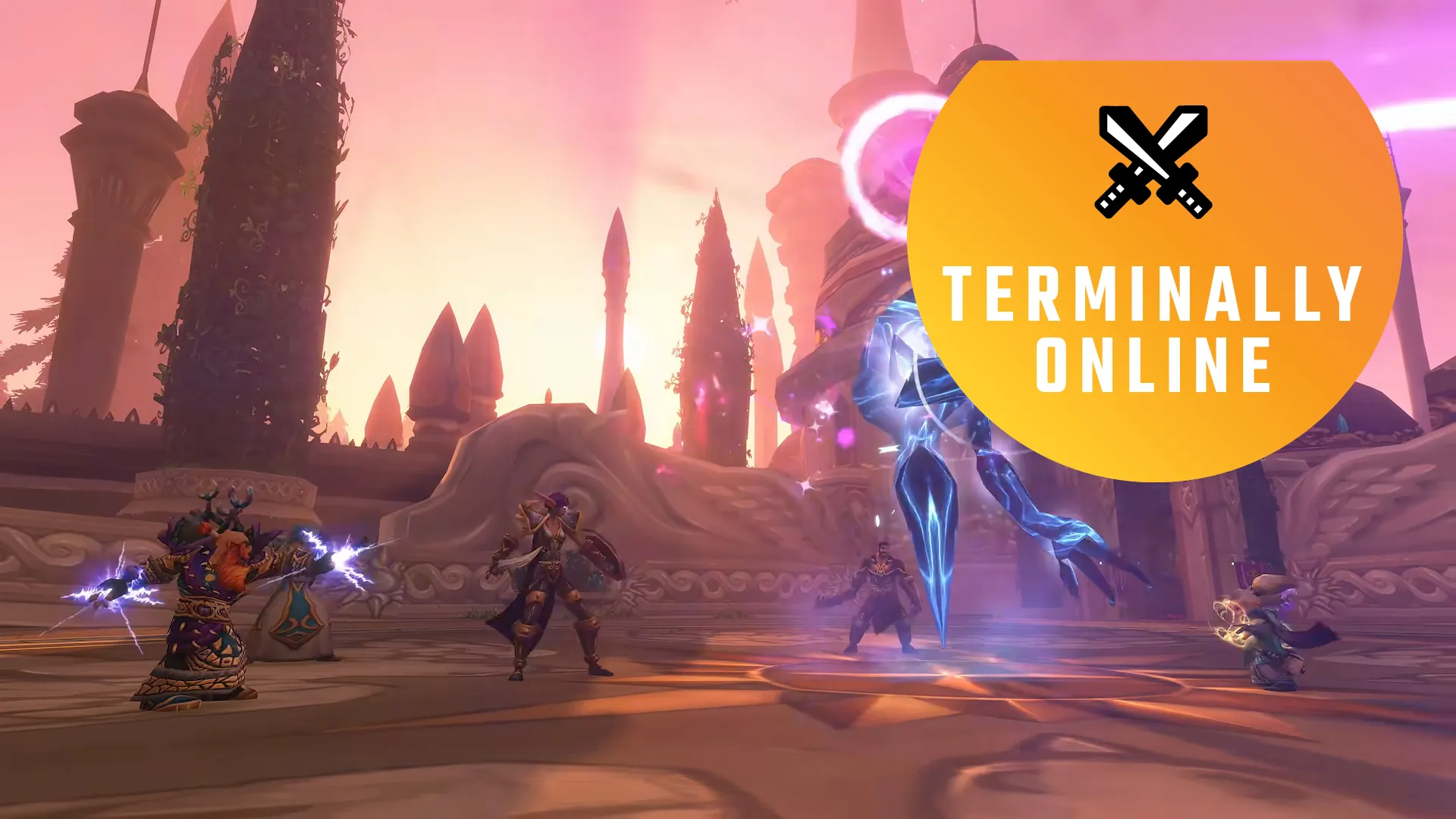
The thrill of a new MMO beta is intoxicating. I recently dove deep into the World of Warcraft: Forever experience, and while I am thoroughly enjoying the quest-drunk fugue, a fascinating structural question has been rattling around in my mind: How do we design the endgame? Because while the immediate fun is immense, the long-term architecture of this world raises some serious design dilemmas that we should be talking about.
The core tension lies in the game’s progression system. WoW: Forever is designed to be played perpetually, focusing on horizontal expansion—a world that grows wider and deeper over time without relying heavily on traditional expansions. This approach forces us to look at vertical progression—the raiding and gear—and ask where the balance lies.
The design philosophy seems to be a careful attempt to limit power progression when new raid tiers are introduced. Game designers are trying to be responsible, ensuring that while new raids are challenging, the loot and gear they offer don’t completely invalidate the achievements of previous content. For instance, discussions around the Legacy tree and gear suggest an intention to keep previous raid gear relevant, maintaining a sense of historical value for players.
Yet, this pursuit of horizontal longevity introduces some inherent challenges. If the vertical progression—the raid tiers—only yields marginal increases in item level, it risks slowing down power creep. The longer the game goes on, the more noticeable that slow-motion progression becomes, raising questions about whether the system is truly sustainable for the long haul.
Furthermore, this structure creates logistical hurdles for the raiding community. As raids progress, finding groups to tackle specific tiers becomes exponentially harder. This can create an attunement questline where players feel compelled to farm multiple tiers just to catch up, leading to the frustrating dilemma of either needing to acquire catch-up gear or accept stat squishes.
The biggest risk, however, seems to be the risk of playing it too passively. While casual questing and leveling are fantastic, the delicate balance of a pseudo-horizontal endgame is far more complex. It’s like trying to avoid an iceberg by designing the world’s slowest boat. You avoid the immediate danger, but if you don’t give the players a steering wheel, you risk a catastrophic crash down the line.
Developers have spent decades perfecting linear progression systems. The question remains: can they effectively break from ingrained patterns to reinvent what endgame actually means? There is a compelling argument for evolving the definition of endgame—perhaps by introducing skill trees or masteries that grant lasting power beyond gear—allowing raids to become part of a broader ecosystem rather than the sole focus of power creep.
The future of World of Warcraft depends on how brilliantly Blizzard navigates this tension. It will require not just brilliant mechanics, but a willingness to challenge long-held design paradigms. The potential for an exciting, cohesive, and truly meaningful endgame is there, but achieving it will require some very difficult, and perhaps messy, decisions.
Buy on Amazon
Credit
