Engineer builds RAM from scratch using AI
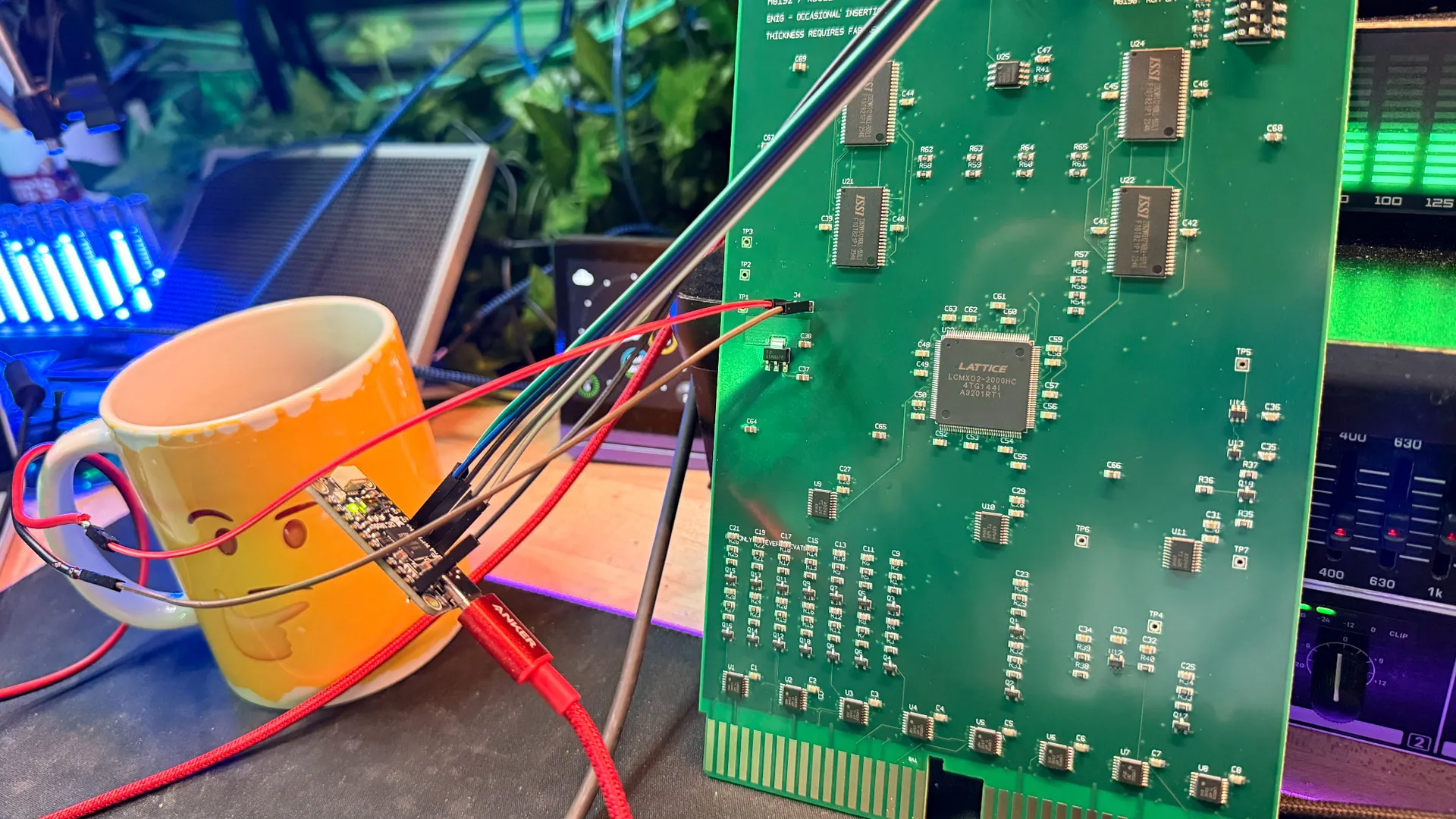
Dave Plummer, the legendary figure known for tinkering with operating systems, pinball machines, and the arcane world of Task Manager, is back in his element. This time, he wasn’t wrestling with software; he was diving deep into the physics of vintage computing, seeking to conjure up a new RAM board for a classic PDP-11.
The inspiration for this hardware quest was surprisingly grounded in consumer economics: Plummer was driven by curiosity after seeing the exact number of zeros in the price tag for a megabyte of memory. This simple observation sparked an ambitious project to reimagine and reconstruct memory for the 1970s mainframe.
With the help of modern tools like ChatGPT and the EasyEDA online circuit simulator, Plummer embarked on the complex task. Since many PDP-11 models utilized Q-Bus boards for system components, he designed his RAM as a standalone card, testing it against another board containing the system’s M8190 CPU.
The resulting circuit was a fascinating blend of retro and modern engineering. Atop the board, he integrated a Lattice MachXO2 FPGA, which acted as the memory controller, connected to four ISSI 1 MB memory chips. The final assembly included a U2S I/O chip, a bank of DIP switches, communication ports, and a careful scattering of capacitors—a complete vintage circuit.
However, as is often the case with deep hardware dives, Plummer hit a classic PDP-11 conundrum. The machine’s memory bus was designed to access memory in entire words (two bytes) at once, using the lowest bit in an address as a selector for picking between the low or high byte. This presented a tricky challenge for his memory controller, which needed to return two bytes, and for writes, ensuring only the correct byte was updated.
One observer quipped that Plummer might have accidentally built 4MB of memory that only functioned as 2MB. Plummer, ever the problem-solver, reportedly responded that the memory simply returned every second word, perfectly mirroring the underlying system design. While the original hardware presented an obstacle, Plummer seemingly implemented an elegant fix within his FPGA code to bypass the issue.
The pursuit of efficient computing continues to inspire creativity. Though the physical circuit was a triumph, the spirit of innovation is further demonstrated by alternative approaches. Some suggested sidestepping the complex bus wiring entirely by implementing the memory in software via a Raspberry Pi directly connected to the PDP bus. Plummer had already taken this path weeks earlier, utilizing a QBone DEC interface board and a Beaglebone Black atop it, proving that the spirit of retro-computing is far from over.
Buy on Amazon
Credit
