Entropy reclaims classic PS1 PS2 game visuals
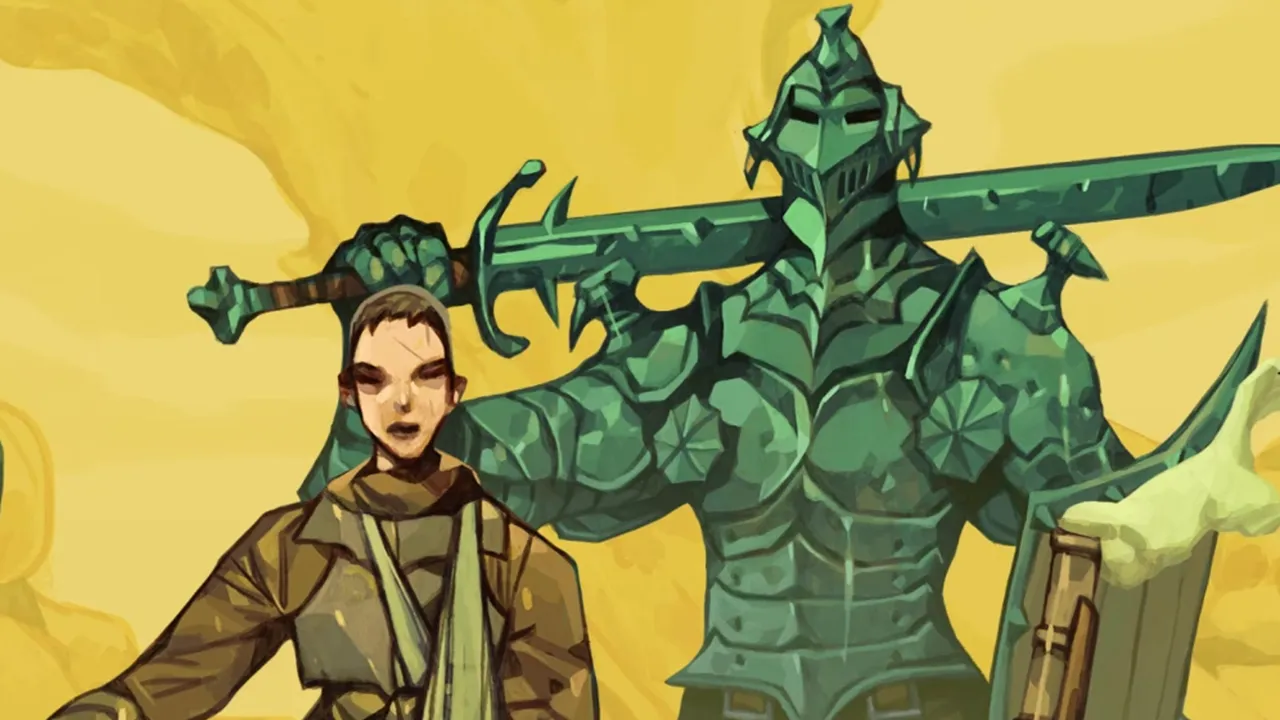
The secret to designing a truly compelling RPG often lies not in endless content, but in disciplined restraint. Indie team Lovely Hellplace embodies this philosophy, proving that focusing on succinct, impactful design can create worlds that feel vast without overwhelming the player.
Their work, including Dread Delusion and the early access title Entropy, showcases a commitment to crunchy, polygonal aesthetics. These games don’t just offer expansive maps; they offer refined experiences where every decision and location serves a clear purpose.
The team’s approach suggests that the appeal of classic game design isn’t about sheer size, but about an admirable willingness to be concise. Lead developer James Wragg has championed this idea, suggesting that the value of older games often resides in their ability to deliver maximum impact with minimal baggage.
This philosophy extends into Wragg’s personal gaming habits. He finds that the most satisfying experiences are often those that respect the player’s time. While the desire for sprawling open worlds remains, there is a growing appreciation for games that offer a complete, satisfying experience without demanding marathon sessions.
Wragg’s preference steers him away from some sprawling contemporaries, choosing instead the sharp, focused thrill of games like Bloodborne and Sekiro. These titles exemplify an intense, tightly controlled gameplay loop that rewards precision rather than endurance.
In the realm of open-world design, the concept of scale is crucial. While Entropy features a massive world, the team has mastered the art of evoking scale effectively. This balancing act—creating a grand sense of space without suffocating the player—is a hallmark of their design sensibility.
Even in games that embrace open-world structures, such as Dread Delusion, the map is dense and rich, offering a roughly 15 to 20-hour runtime. This demonstrates that depth and scope do not have to be mutually exclusive.
Ultimately, the message from Lovely Hellplace is that good game design respects the player’s time. It encourages creators to be succinct, letting the player engage deeply with a well-crafted world, rather than simply accumulating hours. This focus on quality and impact is what makes their creations stand out in the crowded landscape of modern RPGs.
Buy on Amazon
Credit