Epic Games goes AI first with Star Wars Marvel crossover
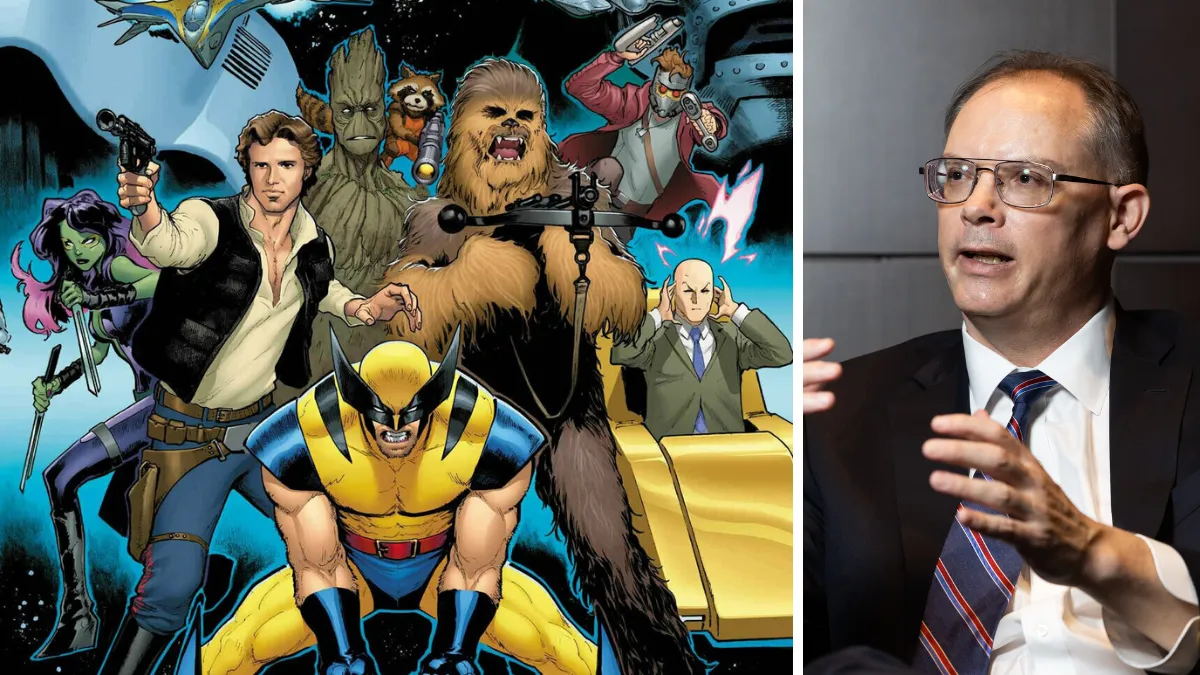
The future of interactive entertainment is being built not with traditional pipelines, but with algorithms. Epic Games, a powerhouse in the gaming industry, is undergoing a massive transformation, pivoting its development strategy to embrace an “AI first” approach, signaling a fundamental shift in how games are conceived and created.
This radical overhaul came amidst news that an unannounced Star Wars and Marvel crossover shooter project has been delayed indefinitely, prompting the creators to retool their entire operation. The mandate is clear: leverage artificial intelligence as the core engine for development.
The strategy goes beyond simple tool adoption. Epic is instructing its staff to implement an “AI first” production model, specifically utilizing advanced tools such as Anthropic’s Claude. The goal is to generate artistic assets through full AI workflows, fundamentally changing the creative process from concept to execution.
Epic Games CEO Tim Sweeney articulated the vision behind this acceleration, emphasizing that the aim is not just to work with fewer resources, but to enable every team to build MORE and BETTER content. He stressed that the objective is to bring the benefits of AI to all teams utilizing the Unreal Engine, pushing the industry toward faster, more efficient development.
The promised efficiency gains are significant. While development timelines have historically been highly variable, ranging from a mere 20% efficiency in some technical areas to 5x in others, Epic anticipates that by next year, AI will deliver at least three times the efficiency seen in early 2026.
Beyond mere speed, the impact is reshaping game design itself. The biggest shift will be in the time required to move from an initial idea to rigorous playtesting. This acceleration promises to reduce the high rate of AAA failures, many of which are attributed to lengthy development processes that lack adequate testing opportunities.
This technological revolution intersects uniquely with popular culture. The industry is currently swimming in content that mimics iconic properties—the sheer volume of material, blending Star Wars, Marvel, and Pixar aesthetics with AI-generated outputs, risks creating a form of digital slop. This cultural deluge highlights how easily beloved IP can be processed into a mass-produced, almost reflexive experience.
Ultimately, the shift reflects a broader acceptance that technology will dictate reality. While some observers remain wary of the rapid pace of AI advancement, the reality is that the tech industry operates on the principle that consumer demand is the ultimate driver. No matter how much audiences may initially dislike the changes, they will inevitably gravitate toward what is presented. The modern landscape dictates that we will receive whatever the platforms provide.
Buy on Amazon
Credit
