EPYC Verano AI CPU uses special SB1 socket
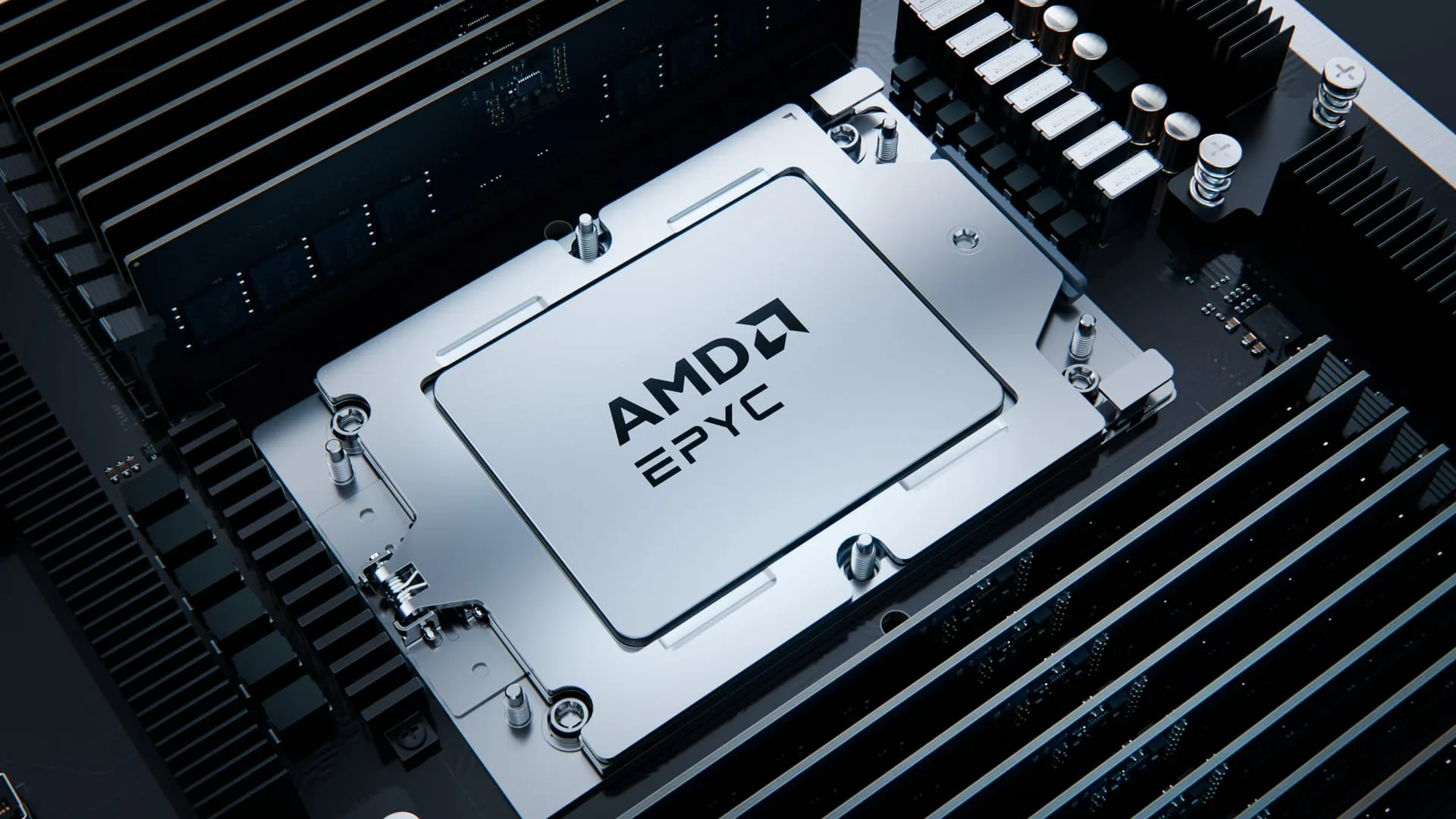
The race for next-generation AI infrastructure isn’t just about raw clock speeds; it’s about specialization. As demand surges for systems that can handle massive workloads running on specialized accelerators, processor architecture is evolving into a highly targeted engineering challenge. AMD is stepping into this arena with the Verano series, a line of CPUs explicitly designed to serve as the backbone for AI servers.
This specialized vision comes with a significant architectural shift: the introduction of an all-new SB1 socket. This move is not arbitrary; it reflects AMD’s decision to prioritize efficiency and tailored performance for AI workloads over accommodating the broad range of general-purpose CPUs seen in conventional lines like the EPYC family.
The core philosophy behind the SB1 socket is rooted in specialization. By opting for SB1—a design smaller than the SP7 and SP8 sockets used by other Zen 6-based EPYC processors—AMD can optimize the system for a specific CPU configuration, memory subsystem, and system topology. This contrasts sharply with a broader approach, allowing AMD to focus resources on delivering peak performance where it matters most: orchestrating workloads running on AI accelerators, rather than maximizing general-purpose performance on the CPU itself.
The Verano processors themselves are packed with power, featuring up to 72 Zen 6 cores capable of operating at up to 5 GHz, coupled with a massive 24-channel LPDDR5X memory subsystem utilizing replaceable SOCAMM2 modules. This design emphasizes data throughput, making the Verano less of a generalist and more of a highly efficient host processor.
The physical demands of this specialization are immediately apparent in the cooling requirements. To manage the thermal output of these specialized processors, a bespoke cooling solution is necessary. Preliminary insights from server cooler manufacturers, such as Dynatron, indicate the sophisticated demands of the Verano line. For example, a preliminary model for an SB1-4U-Active cooler features a powerful vapor chamber design, heat pipes, and a double-ball-bearing fan operating at up to 6,000 RPM, delivering substantial airflow to manage the heat.
While specific power consumption details remain under wraps, the scope of this cooling technology suggests that the Verano will operate as a high-performance server processor, capable of handling considerable thermal loads even with fewer cores than some high-end general-purpose options. This focus on optimized thermal management ensures that the Verano can deliver sustained performance in demanding data center environments.
This architectural dedication to specialized AI hosting positions AMD to compete directly with industry leaders by offering tailored solutions. With the Verano series set to launch in the second half of 2027, AMD is not just releasing new hardware; it is defining a new standard for how CPUs are designed to power the next era of artificial intelligence.
Buy on Amazon
Credit
