EV company deploys 100k Nvidia GPUs in US roadside pods
The Silent Revolution: How Idle EV Charging Power is Fueling the Next Wave of AI Compute
Imagine a world where the infrastructure we already rely on—the electricity flowing through our charging stations—is not just fueling a car, but powering the next generation of artificial intelligence. This is the vision being brought to life by the EV charging firm Xeal, which is pioneering a groundbreaking method for deploying massive computing power using energy that was previously sitting idle.
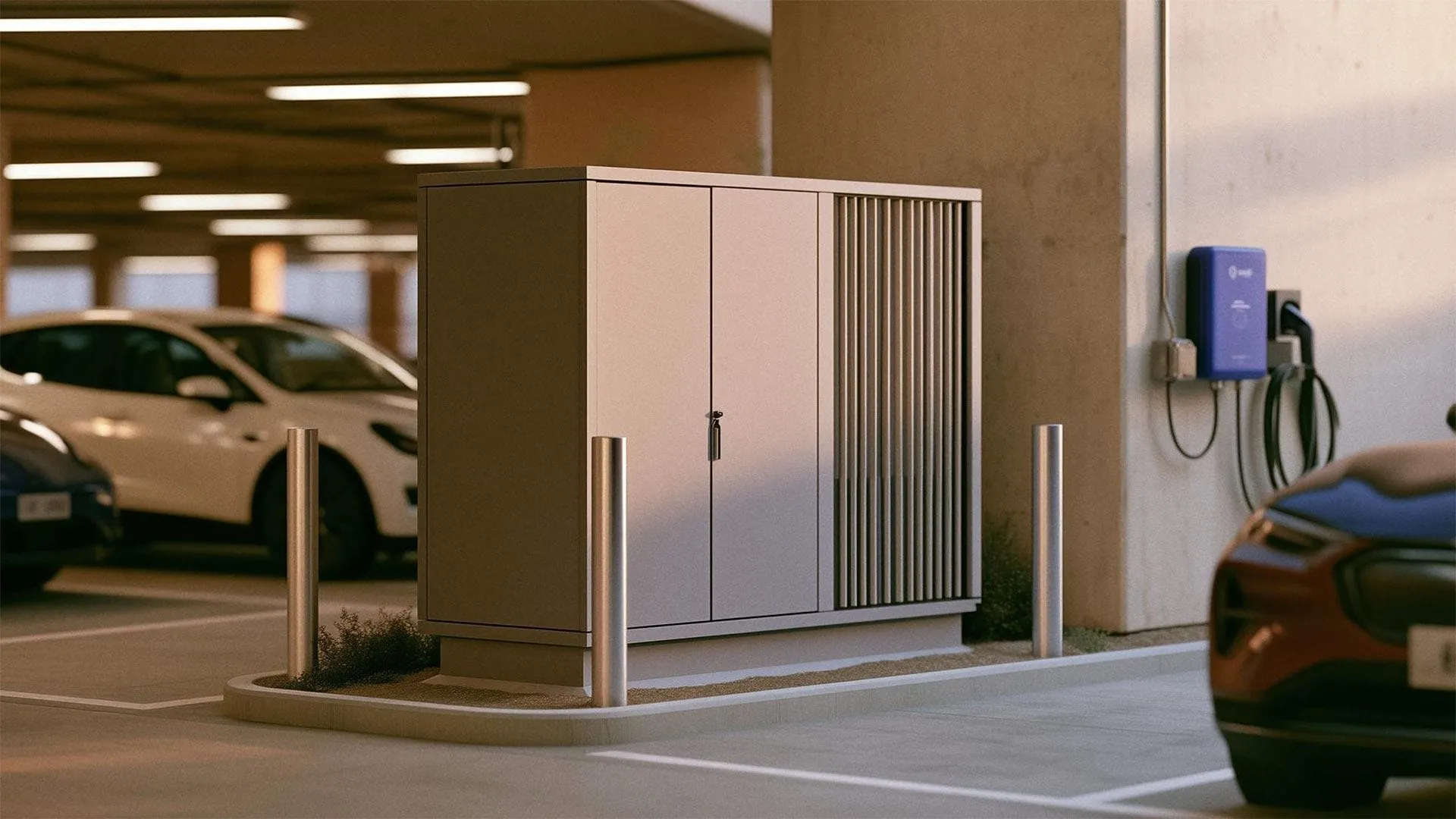
Xeal is leveraging its extensive existing network of over 1,600 EV charging locations and 200 megawatts of permitted electrical infrastructure to create something truly novel: the world’s first edge inference compute network powered by idle EV charging capacity. The result is the deployment of Latient Pods, sophisticated computing units that place ultra-powerful Nvidia GPUs right where they are needed most.
These Latient Pods are designed to be the silent backbone of future AI. Each pod can house up to 48 Nvidia Hopper or Blackwell Ultra GPUs, effectively bringing significant processing power to metropolitan areas. The clever trick? They don’t require new, expensive infrastructure or complex water hookups; they simply tap into existing, grid-connected, and permitted energy capacity that is typically underutilized by EV charging stations.
This approach bypasses the traditional bottlenecks of data center expansion. As co-founder and CEO Nikhil Bharadwaj explains, Latient Pods offer the fastest way to bring new compute online by utilizing energy capacity that is already permitted and grid-connected. This distributed network, dubbed Metro Edge, allows for inference compute with sub-20 millisecond latency, a massive speedup compared to waiting for data to travel to distant centralized data centers.
The practical specifications of these innovative units highlight a focus on efficiency and deployment. A Latient Pod is built to be robust, featuring self-contained cooling with no need for water, operating quietly at less than 65 decibels (comparable to a washing machine). Furthermore, these units are designed to be self-sufficient, offering property owners fixed rental or ancillary revenue while adding up to $1 million in property value for minimal investment.
The ambition is staggering: by utilizing the available capacity across Xeal’s network, the company aims to deploy over 100,000 Nvidia GPUs. This massive scale demonstrates a powerful shift toward utilizing distributed, untapped energy assets to solve critical computing needs. This innovative model taps into the immense, untapped potential within the electrical grid itself.
While the technology promises incredible efficiency and speed for AI applications, it also raises important questions about security. With units containing immensely valuable hardware, such as potential $2 million Nvidia GPUs, ensuring the safety of these distributed compute hubs is paramount. The deployment of Latient Pods sets a new benchmark for integrating cutting-edge technology into existing public infrastructure, pushing the boundaries of what we thought was possible with idle energy.
Buy on Amazon
Credit
