EVGA insider reveals Nvidia’s degrading relationship before 2022
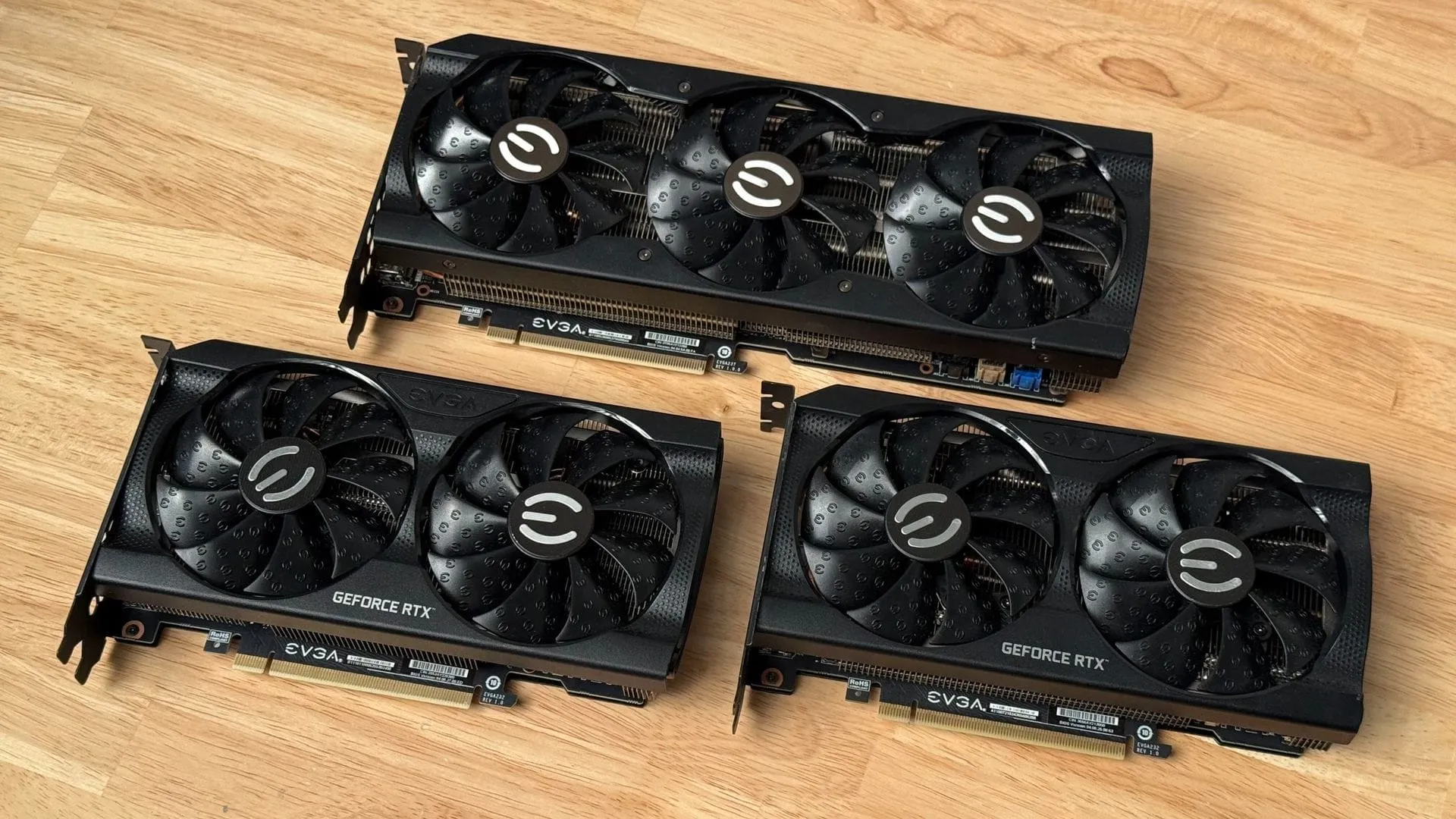
In the high-stakes world of hardware partnerships, sometimes the most predictable outcome is a spectacular implosion. For former EVGA product manager Brendon Ray Hedrick, the story of the company’s exit from the GPU market wasn’t just a business decision; it was a sobering look at the friction between innovation and corporate demands.
When Hedrick left EVGA in 2019, he had a gut feeling that the relationship with Nvidia was heading for a collision course. That prediction proved remarkably accurate, as EVGA eventually exited the GPU market in 2022, citing irreconcilable conflicts with its primary supplier.
The seeds of this tension were planted early on. When EVGA first released its Founders Edition GPUs in 2016, the dynamic shifted. While the company had previously sold Nvidia reference designs, it was now caught in a complex position, competing directly against Nvidia by selling graphics cards straight to consumers, bypassing the traditional board partner model.
The real pressure cooker emerged when Nvidia began dictating terms. To secure necessary chip allocations, partners were required to sell models at the announced Manufacturer’s Suggested Retail Price (MSRP), even if this meant selling products at a loss. This forced companies like EVGA into a difficult position: they had to offer loss-leading products simply to ensure they kept their supply of crucial components.
Hedrick pointed out the financial dilemma vividly. While other manufacturers could absorb costs, EVGA faced the burden of adding substantial premiums for superior circuit boards and cooling. This created a perception that EVGA was charging an exorbitant amount for necessary upgrades, further squeezing already narrow margins.
As Nvidia’s Founders Edition cards evolved with each generation, it became increasingly challenging for EVGA to justify the expense of premium offerings to consumers. This strategy led to a cycle where loss-leading models constantly sold out, while customers opting for more expensive cards simply waited for the next generation.
This dynamic extended to major technological shifts. When Nvidia introduced real-time ray tracing technology on the RTX 20-series cards, there was a question of whether a lean manufacturer like EVGA could comfortably handle the massive cost of convincing consumers that the upgrade was worth the price, especially when only a handful of games utilized the new feature.
Hedrick estimated that EVGA and Nvidia had perhaps only a few years left before the situation escalated. This prediction came true just a year earlier than expected. In 2022, EVGA officially announced it would no longer partner on cards with the RTX 40-series and would exit the GPU market once its supply of RTX 30-series GPUs was depleted.
While it is easy to assign blame to Nvidia’s evolving policies, an analysis suggests that EVGA’s own operational strategies played a part. Decisions regarding third-party manufacturing, a focus on North American and European markets, and the costs associated with customer service practices ultimately contributed to the company’s vulnerability.
Despite the challenging timeline, EVGA remained a beloved brand in the GPU space, demonstrating the complex intersection of fierce competition, supply chain strategy, and the often unforgiving demands of the tech industry.
Buy on Amazon
Credit
