Fable Reboot: A Test of the Xbox Tax
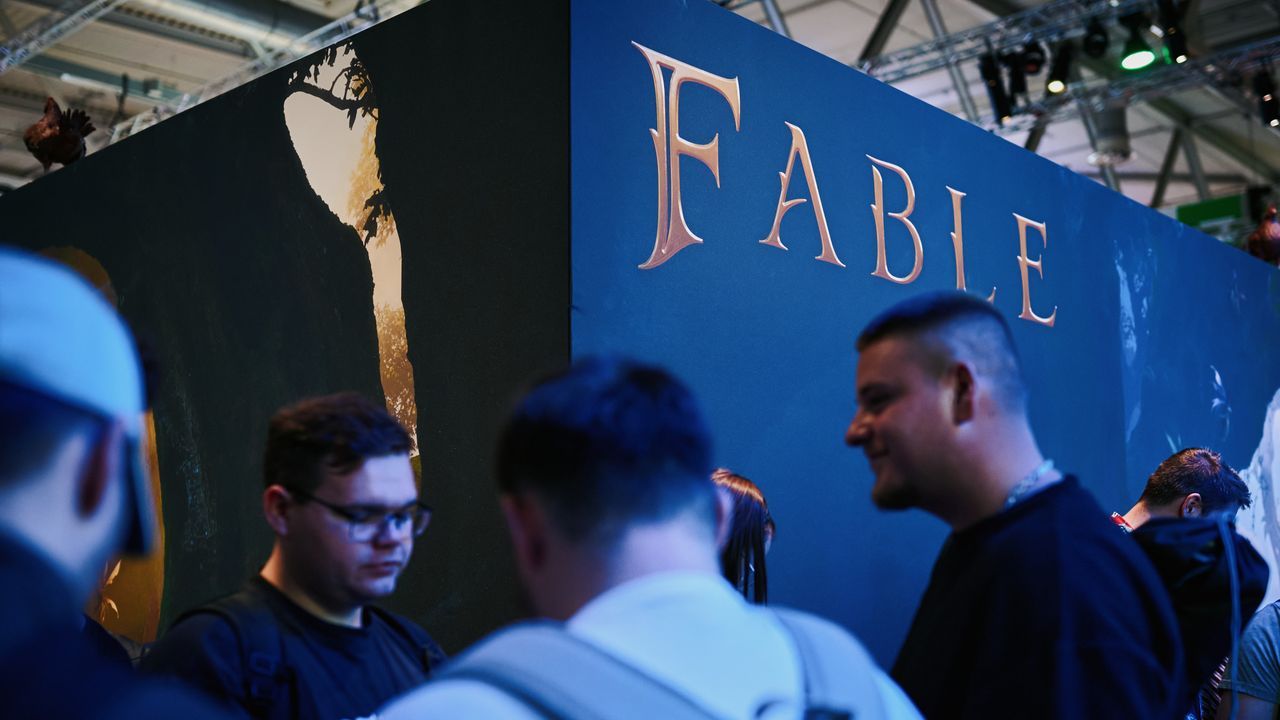
Trying to absorb the future of gaming at massive events like Gamescom is often a tightrope walk. For someone who tends to focus intensely on one game at a time, juggling multiple announcements and control schemes can trigger a delightful amount of nervous energy. But when the opportunity arose to dive into a new world, that anxiety quickly melted away, especially when faced with something as delightfully chaotic as Fable.
The moment I sat down to play, any lingering jitters vanished under the sheer force of the action. The combat system didn’t just work; it felt like pure, unadulterated fun. There was no need to consult a guide; I simply followed the sardonic Humphrey through abandoned caves, weaving between melee strikes, lightning bolts, and a rapid-fire crossbow with complete abandon. Transitioning between melee, ranged attacks, and spellcasting was utterly seamless, delivering satisfying impact with every input.
The system truly embraced the ridiculous. I spent time abusing the spell system, transforming foes into chickens, and finding ingenious ways to exploit their temporary states—even learning how to cook them in a flame bath. The sheer creativity in the combat loop made me want to stay in the session long after my schedule dictated I should be packing up, proving that the foundation of Fable’s combat is rock-solid and irresistibly fluid.
Behind this engaging action is a design philosophy rooted in player freedom. The developers intentionally avoided simple, passive stat increases, opting instead for upgrades that feel truly transformative during gameplay. Players are encouraged to mix and match components—weapons and spells—to craft a personalized playstyle. Whether you favor a heavy warhammer or a swift sword, momentum remains smooth and deeply satisfying, allowing disparate moves to string together organically.
The world of Albion itself reflects this dynamic approach. The game masterfully balances dark, gritty lore with physical comedy, where the reactions of the world are immediate and visceral. If you decide to use your magic or chicken cooking abilities on the local townsfolk, you are judged accordingly by their individual moral compasses. This nuance means that power displays aren’t just about numbers; they reflect the complex social fabric of the world.
As the reboot of a legendary franchise, the team has faced the enormous task of balancing modern design sensibilities with the dark wit and charm of the original games. This tightrope walk is complex, but the execution manages to honor the franchise’s DNA while carving out a distinct, new identity.
Yet, as the game approaches launch, it inevitably becomes part of a larger conversation. There is a palpable undercurrent of scrutiny surrounding the game, with discussions frequently focusing on the aesthetics of the protagonist and the corporate involvement. While internet discourse can sometimes devolve into noise and hyper-critical point-scoring, it is important to remember that genuine, constructive critique is often drowned out by the clamor of online attention.
We root for the incredible team at Playground Games. They have poured their hearts into crafting something special, and the potential for Fable to become a genuine hit—a flagship title for the Xbox ecosystem—is immense. We just hope the focus remains on the quality of the creation, allowing the game to shine brightly, rather than being overshadowed by the inevitable noise surrounding it.
Buy on Amazon
Credit
