Factories dismantle RTX 5090s for AI servers
The Silicon Hustle: How China is Repurposing Flagship Graphics Cards for the AI Boom
The world of high-end gaming graphics cards is currently experiencing a bizarre supply chain saga. The GeForce RTX 5090, widely hailed as one of the best graphics cards available, has vanished from retail shelves. But where did this cutting-edge technology go? The answer points not to a simple shortage, but to a massive, highly organized industrial operation taking place in China, transforming these flagship components into the backbone of the burgeoning artificial intelligence industry.
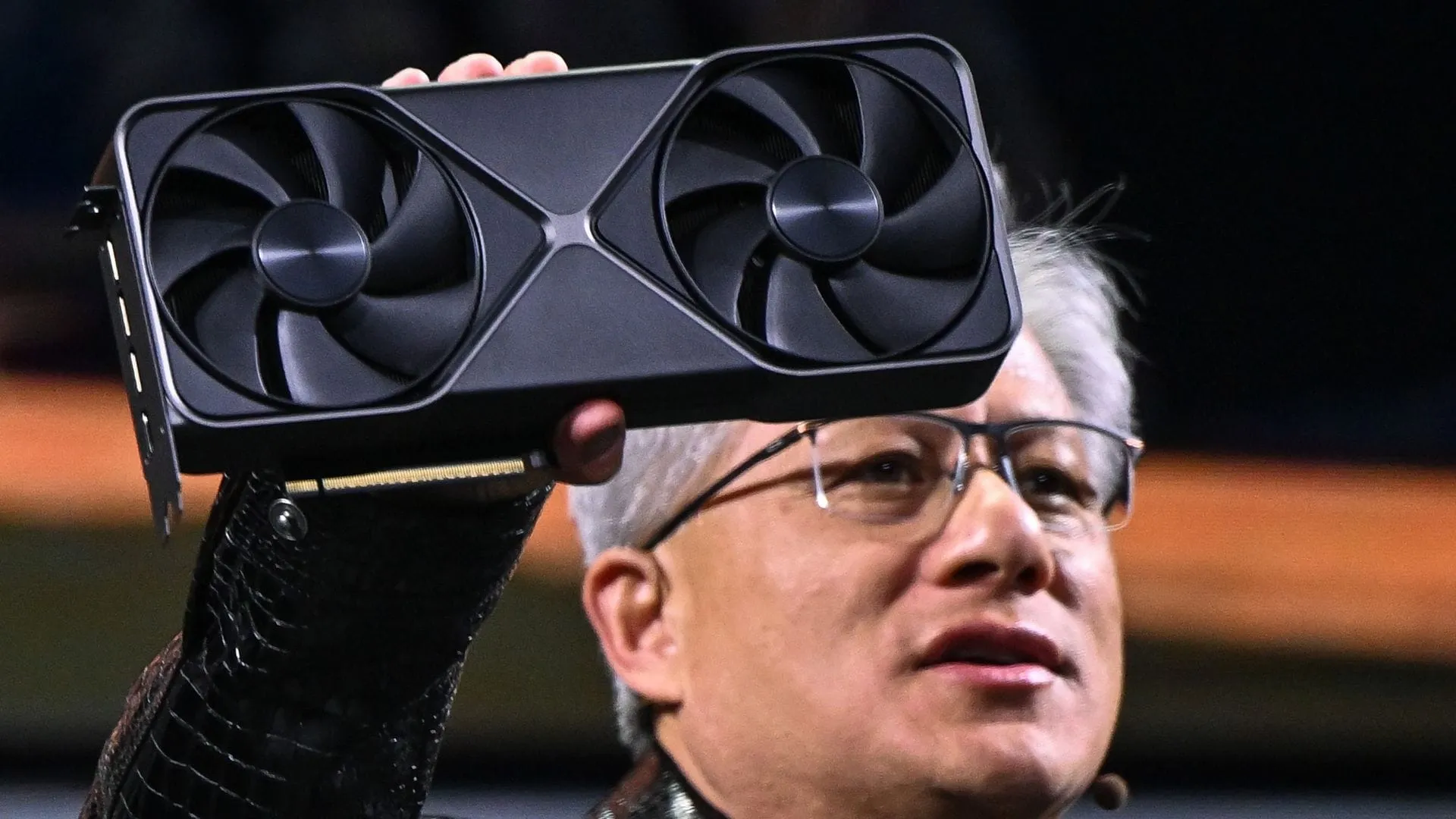
A recent leak of video footage has thrown the industry into a state of fascinating chaos. These videos offer a glimpse inside specialized workshops where skilled technicians are systematically dismantling brand-new RTX 5090 cards. The goal is not simple recycling; it is sophisticated repurposing. Workers are meticulously desoldering the critical GB202 silicon and GDDR7 memory chips, preparing the components for a radical transformation.
These high-end gaming cards, originally designed for consumer desktop use, are being stripped down and reconfigured. The flashy, three-fan, consumer-focused cooling architecture is being discarded in favor of a dual-slot blower design. This change is crucial: it allows the components to be installed into high-density server racks, optimizing for the massive power and cooling demands of AI compute clusters.
The ultimate destination for these modified cards is the server world. By transitioning from a consumer gaming format to a server-grade, dual-slot design, these repurposed GPUs are set to become the essential engine driving massive AI processing capabilities. This industrial scale operation is operating at an impressive pace, with thousands of cards reportedly being processed daily as they move through the supply chain.
The sheer scale of this conversion is staggering. Factories scattered across China are engaging in this work, turning shipments of retail-ready graphics cards—including those from Nvidia’s custom partner models and even the coveted Founders Edition—into specialized AI workhorses. This process requires meticulous attention, ensuring that every component is perfectly transplanted and validated for enterprise use.
Meanwhile, Nvidia has reportedly taken a strategic pivot. Reports suggest the company has halted the production of the GeForce RTX 5090, choosing instead to redirect the valuable silicon toward higher-margin professional GPUs, such as the RTX Pro 6000 Blackwell. This corporate move is aimed at balancing supply and maximizing revenue in a tight market.
This supply redirection, coupled with aggressive grey-market recycling, has played a significant role in emptying U.S. retail stock of the RTX 5090. The market fallout has led to eye-watering prices for custom cards, with some starting at $8,500. However, in response to this scarcity, a clever workaround has emerged for gamers.
Instead of buying the standalone, extremely expensive GPU, consumers are turning to prebuilt gaming systems. Some prebuilt setups, utilizing powerful components like the Ryzen-9-9950x3d or Core Ultra-9-285k CPUs, are now offering a complete system that costs less than the standalone RTX 5090. In today’s competitive market, it turns out that assembling a complete system often provides better value and a more convenient solution than chasing a single, high-end graphics card.
Buy on Amazon
Credit
