Fallout hype despite the 2030s wait
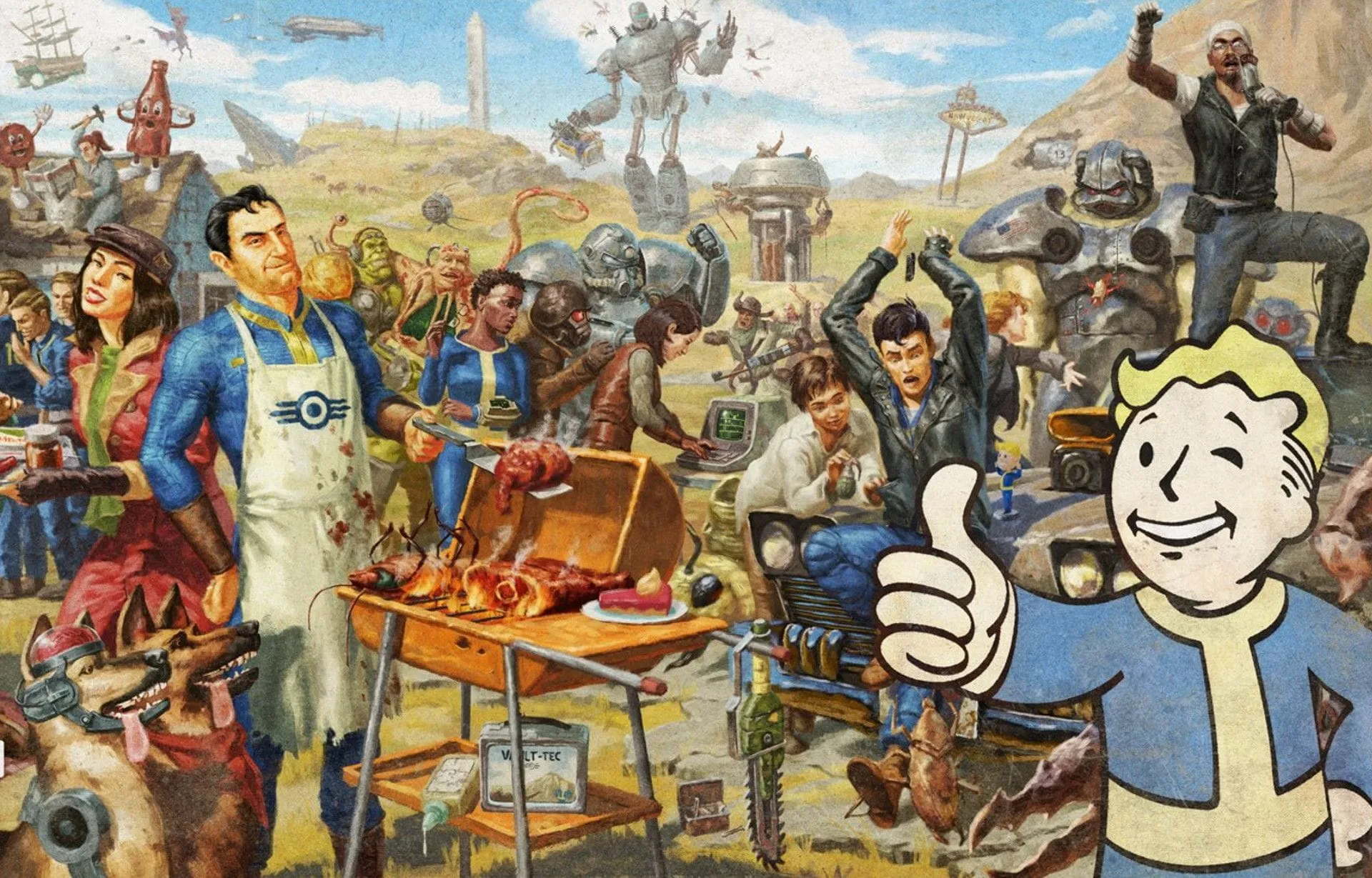
The Fallout franchise is a sprawling, iconic universe, yet the anticipation for its next mainline entry feels less like excitement and more like a slow, agonizing wait. After Fallout 4 arrived in 2015, the question hangs heavy in the air: what happens next, and how long will the narrative journey take?
Bethesda’s ambitious roadmap involves several major titles, including The Elder Scrolls 6. This dependency means that while the world of Fallout continues to evolve, the timeline for a potential Fallout 5 seems pushed further into the future. Some speculate that the gap between major installments in the main series could span two decades, forcing fans to ponder the sheer scope of the development process.
In the interim, the franchise has kept momentum through spin-offs like Fallout 76, which brought the post-apocalyptic experience to a massive multiplayer scale. Microsoft’s involvement, alongside the work of studios like Obsidian Entertainment, suggests an ongoing effort to shape the future of the wasteland. But the focus remains split, and the timeline remains murky: could we realistically expect to see Fallout 5 in the 2030s?
Beyond the grand roadmap, the conversation often shifts to the classics and the quality of the experiences themselves. There is a persistent debate among fans regarding the legacy of the series. Some argue that the foundational titles, specifically Fallout 1 and 2, deserve a modern remaster to match their status as cornerstones of the genre.
Gameplay mechanics also spark spirited debate. For instance, there is a strong sentiment that the hardcore mode in Fallout: New Vegas provides a uniquely satisfying and challenging experience, setting a high bar for how players interact with the wasteland. Furthermore, comparisons between installments inevitably lead to subjective discussions—with many feeling that Fallout 4 offers a more engaging narrative and world than its predecessors.
The direction of the lore and presentation also invites scrutiny. When it comes to adapting the world for other media, such as television, there is a desire for a narrative freedom that allows creators to stretch and redefine established lore, rather than strictly adhering to established boundaries.
Beyond the core games, the ecosystem of the Fallout universe is rich with potential. Titles like Fallout Shelter have proven that the franchise can expand into compelling, standalone experiences. These spinoffs demonstrate that there is plenty of fertile ground for new content, allowing fans to explore different facets of the post-apocalyptic world.
Ultimately, the Fallout universe remains a dynamic space, balancing long-term development strategies with the immediate desires of the player base. Whether the next chapter arrives in a decade or two remains to be seen, but the sheer depth and enduring appeal of the wasteland ensure that the conversation around Fallout will continue long after the credits roll.
Buy on Amazon
Credit
