Fanxiang S880E SSD: 7GB/s Speed, pSLC Cache, and the Mystery
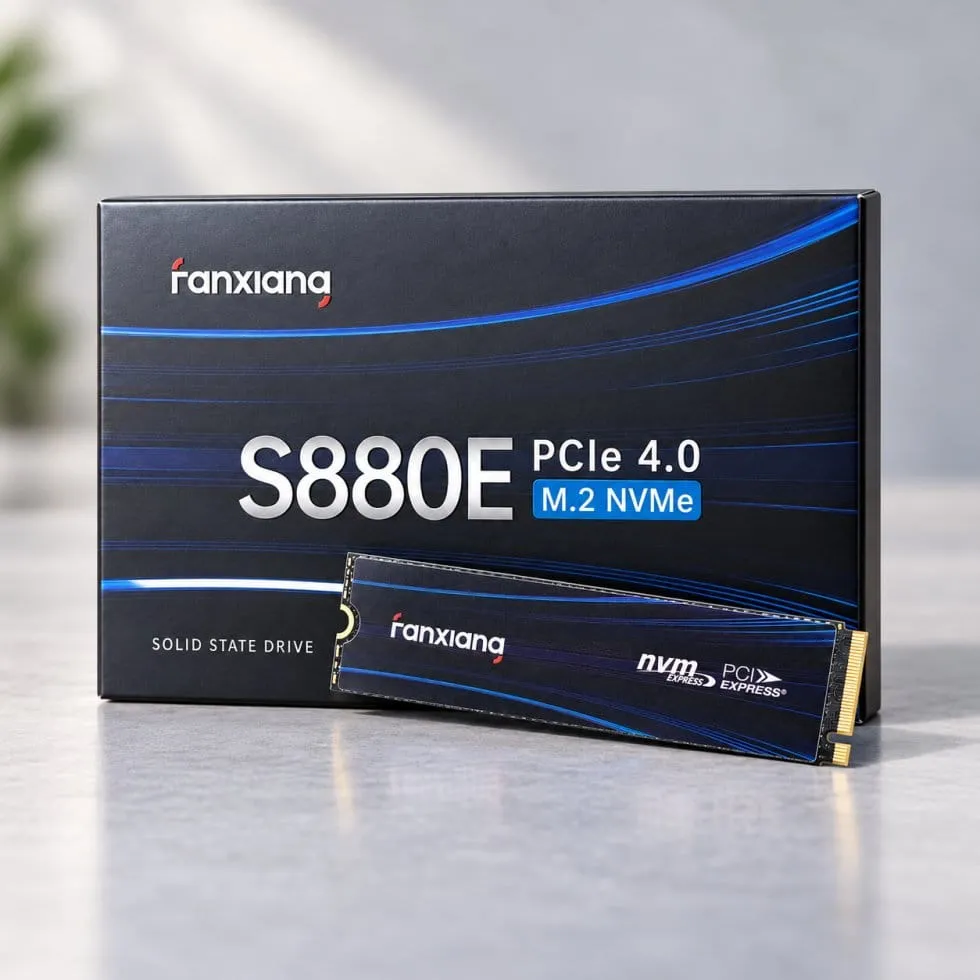
The Illusion of Speed: Unpacking the Real Performance of the Fanxiang S880E SSD
In the rapidly evolving world of storage, the pursuit of speed is often the most compelling marketing tool. Enter the Fanxiang S880E 1 TB NVMe SSD, a product designed to offer high-speed access at a highly accessible price point. On the surface, this drive promises blistering performance, positioning itself as a gateway for users seeking the latest PCIe 4.0 technology.
Initial benchmarks paint a very enticing picture. The drive boasts impressive sequential read speeds, capable of delivering nearly 7 GB/s, suggesting quick access to large files and demanding applications. Furthermore, in short-term scenarios, its write performance is also competitive, promising rapid data handling for everyday tasks.
But the real story of any high-performance component often lies beneath the surface, where marketing hype meets the cold, hard reality of sustained performance. When experts pull back the curtain and conduct detailed teardowns and sustained stress tests, the narrative shifts dramatically.
The S880E’s impressive speeds are largely an illusion created by a sophisticated caching mechanism. This large pSLC cache is designed to trick the user into believing that ordinary transfers are instantaneous. It handles the initial burst of demand with ease, making the drive feel incredibly responsive during initial setup and casual use.
However, this clever trick comes with a significant trade-off when the system is truly pushed to its limits. Beneath the surface of the cache, the architecture reveals a critical limitation: the drive is built without dedicated DRAM. This design choice, combined with the use of QLC NAND flash memory, dictates how the drive manages heavy, continuous workloads.
Once the temporary cache is exhausted, the performance begins to reflect the inherent limits of the underlying architecture. Sustained write speeds plummet considerably, dropping to approximately 150 MB/s. This significant performance gap between the advertised peak speeds and the sustained operational limits is the crucial insight for any user evaluating this technology.
Ultimately, while the Fanxiang S880E provides a cost-effective entry into the PCIe 4.0 space, potential buyers must understand the distinction between transient speed and reliable performance. The drive is excellent for casual use, but those pushing the boundaries of data throughput will find that the true limits are dictated by the underlying design, not just the initial marketing claims.
Buy on Amazon
Credit
