Film grain vs bloom which graphical effect ruins games
In the high-stakes world of game development, the line between stunning visual effects and needless visual clutter is constantly being debated. Are effects like motion blur and bloom essential tools for immersion, or are they simply the hellspawn of computer graphics?
Now is the time for a final reckoning. We are putting the most controversial graphical effects head-to-head, demanding a definitive vote on which ones deserve a place in the settings menu, and which ones should be relegated to the digital graveyard of over-rendered visuals.
This is a classic knockout format: two graphical effects compete, and only one survives to the next round. We are pitting visual fidelity against functional necessity, forcing a confrontation between what looks good and what actually serves a purpose.
The initial showdown involves a thrilling lineup of visual stressors:
- Depth of field versus vignette
- Chromatic aberration versus dirt
- Motion blur versus lens flare
- Film grain versus bloom
These aren’t just aesthetic preferences; they represent a fundamental philosophical divide in game design. Some argue that these effects are pure indulgence, while others insist that they are vital components of creating a truly cinematic and immersive experience.
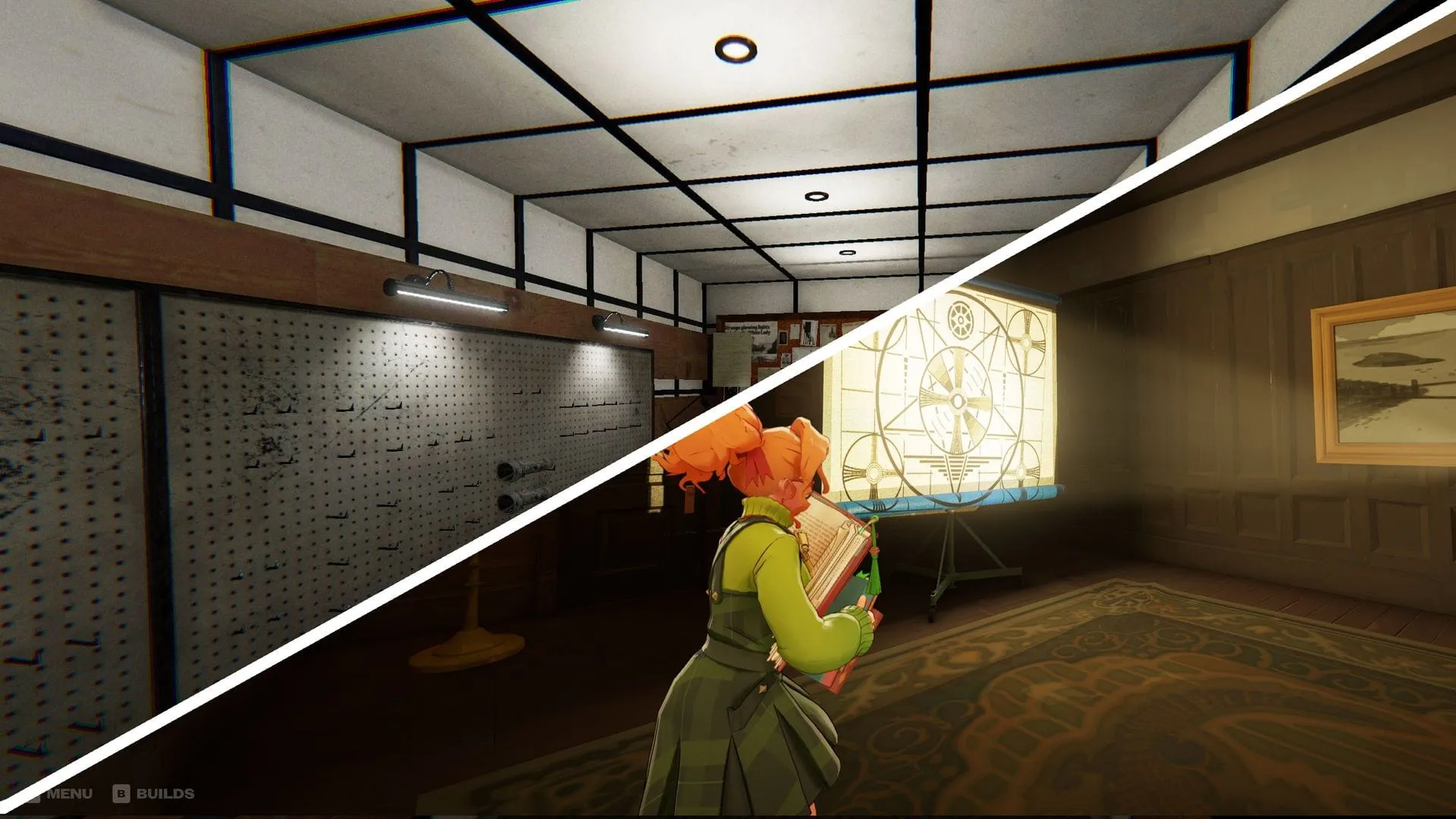
Consider the power of visual effects. Bloom, for instance, can be a potent tool. It was utilized effectively in games like Deadlock to simulate the glow of a bright projector on a screen, adding depth and atmosphere. Similarly, film grain, while often seen as a nostalgic aesthetic, has proven its worth in titles like Phasmophobia, adding a layer of realistic texture to the environment.
Each effect forces us to ask a crucial question: does the added visual complexity enhance the gameplay, or does it merely distract from it?
The debate continues in the comments and in the forums, where developers, critics, and players weigh in. Some passionately argue that motion blur serves a very important purpose in capturing the speed and fluidity of action, while others contend that effects like lens flare or chromatic aberration are mere visual noise. Ultimately, the decision rests on where we draw the line between artistic expression and technical necessity.
Buy on Amazon
Credit
