Finland stops Google AI data centers over deforestation
The Great Data Center Dilemma: When AI Ambition Meets the Finnish Forest
The relentless pursuit of artificial intelligence infrastructure is reshaping the global landscape, driving massive investments in data centers across Europe. However, this high-speed build-out is encountering unexpected friction, as environmental regulations and local concerns slow down some of the biggest projects in the region.
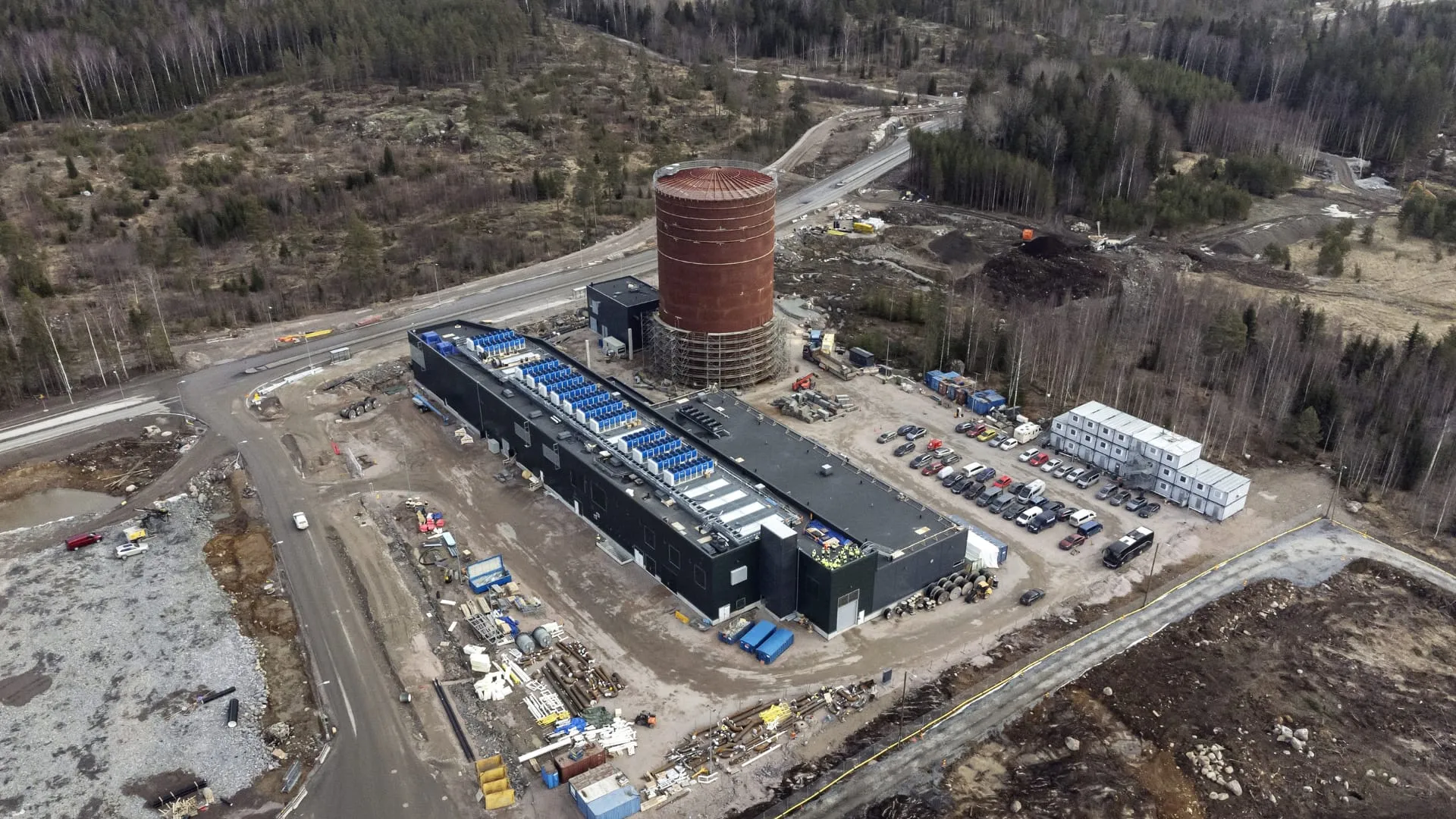
Google’s Finnish subsidiary, Tuike Finland Oy, recently received a significant directive from the Finnish Licensing and Supervision Agency, or LVV, ordering a halt to construction on two planned data centers in Muhos and Kajaani. The roadblock stems from environmental concerns related to the sheer scale of the project. To proceed, the company must now complete mandatory environmental impact assessments, which have been triggered by the clearing of over 740 acres of Finnish forest for the development.
In response to the notice, a Google spokesperson acknowledged falling short of their own high standards. They noted that the company acted in good faith, conducting nature surveys and implementing protective measures, and affirmed their commitment to advancing long-term landscaping and biodiversity plans, including tree planting across 130 hectares at the Muhos site.
Finland, often dubbed the “Texas of Europe” for its abundant land and electricity supply, is a prime location for data centers. This abundance has made the Nordic region an attractive hub for the continent’s massive push toward AI infrastructure, which is projected to require a staggering $30 billion investment and aim for 100,000 AI GPUs per site.
Yet, the European data center race is not without its own hurdles. While the demand for this power-hungry infrastructure is immense, other nations are struggling with grid capacity. Denmark, for instance, has paused new data center connection requests as demand has hit 60GW, more than eight times the country’s peak power consumption, demonstrating the real-world strain on the energy grid.
Crucially, the recent stop-work order was not related to electricity supply, but to environmental permitting. The LVV’s environmental department head stated that the planned measures—including removing trees and topsoil—required full assessment because they are expected to impact the environment, which is a key objective of the environmental impact procedure.
This situation highlights a significant difference in the regulatory approach across Europe compared to other regions. While U.S. data centers have faced intense resistance from local communities, including the blocking of 45 projects worth $68 billion in the second quarter of 2026, Europe is attempting to manage these concerns through stricter permitting and review processes that are designed to address impacts before construction even begins.
The story of the Finnish data centers serves as a compelling reminder that the future of AI infrastructure depends not just on cutting-edge technology, but on balancing massive industrial ambition with environmental stewardship and careful planning.
Buy on Amazon
Credit
