Firmware locks Raspberry Pi RAM limits
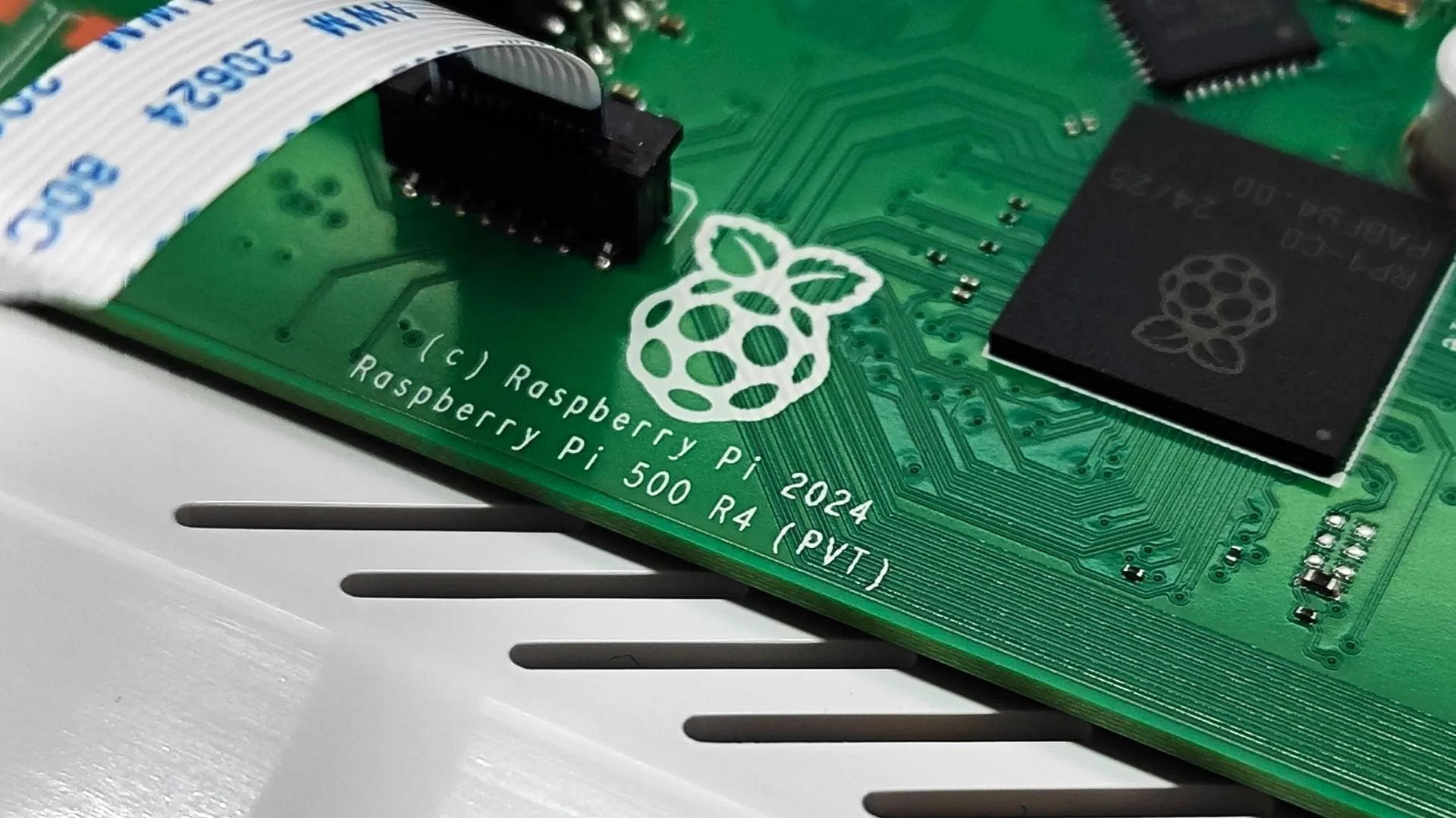
The world of DIY computing, often celebrated for its open-source ethos, sometimes comes with a frustrating set of corporate restrictions. For Raspberry Pi users, a major sticking point has emerged: the ability to tinker with the hardware, specifically swapping out RAM chips for repairs or upgrades, has been effectively blocked by the company itself.
This seemingly simple limitation has sparked debate among the community, highlighting a tension between commercial reliability and the maker’s desire for complete hardware autonomy. PhilE, a long-time contributor to the Raspberry Pi forums, explained that the decision to lock devices to their original RAM size was driven by a clear concern for device reliability and support.
The reasoning, while grounded in engineering caution, felt at odds with the philosophy of the tinkerer. PhilE pointed out that allowing users to swap components introduced significant risk. If a user bought a low-spec part and attempted to substitute it with a higher-spec, potentially dubious chip, the resulting device might be unreliable, leading to a massive support burden for the manufacturer when customers inevitably complained about faulty hardware.
Beyond physical component swapping, the firmware itself plays a role in this blockade. The system currently programs certain device attributes, meaning that even if a user managed to switch components of the same size, the system would reject the change. This added layer of control effectively tells would-be hardware macGyvers to hold off, preventing easy modifications to the system’s configuration.
Yet, this decision—locking down the physical and software configuration—feels like a heavy hand on a community that thrives on modification and experimentation. Some high-profile advocates have suggested alternative approaches, like implementing a simple warranty bit or a single firmware flag that would void support for any modified boards, offering a compromise that respects the community’s passion while maintaining product integrity.
The timing of this restriction is also telling. It occurred well before the rapid adoption of RAM chip swaps and the broader economic pressures surrounding semiconductor pricing driven by the AI data center boom. For users who wish to bypass these limitations, the only remaining option might involve flashing older firmware onto their Pi models, a technical workaround that keeps the door slightly ajar for the curious and the resourceful.
Buy on Amazon
Credit
