First to mine Bitcoin in space says Nvidia startup
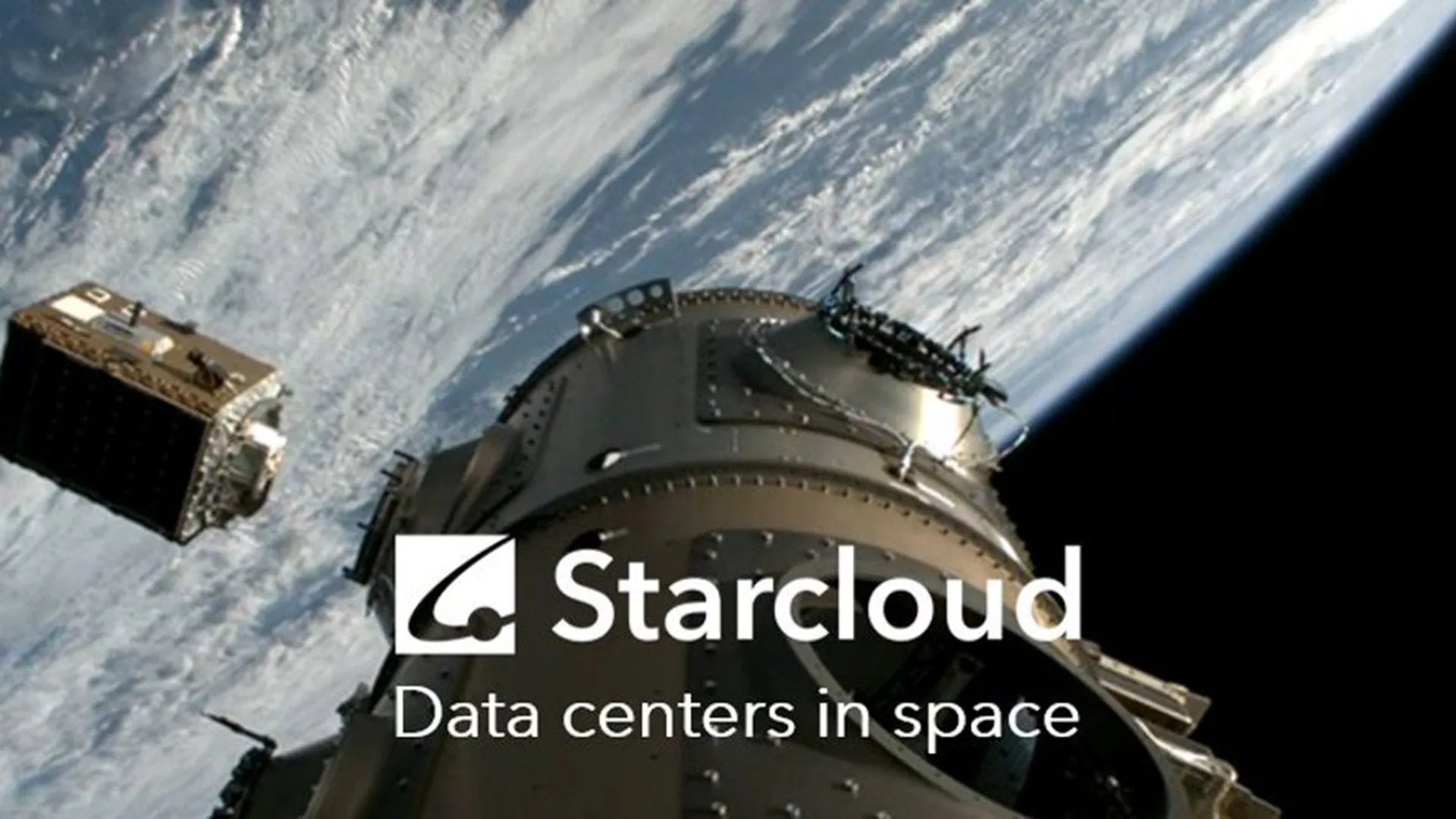
The future of cryptocurrency mining is set to leave Earth behind. An Nvidia-backed startup is not just dreaming about the digital frontier; they are planning to physically establish a data center in space, aiming to be the first company to mine Bitcoin aboard a spacecraft.
Starcloud, a firm founded in 2024, has staked its mission on moving massive data centers into orbit. Their vision is ambitious: leveraging continuous solar energy and radiative cooling to scale data centers to gigawatts while bypassing the permitting constraints that plague terrestrial expansion.
This audacious vision is now moving into a tangible plan. As the company prepares for its second spacecraft launch later this year, Starcloud aims to deploy Bitcoin mining >ASICs, equipping the vehicle for lunar or orbital operations. As CEO Philip Johnston stated, the goal is clear: “We’ll be the first to mine Bitcoin in space.”
The technical justification for this move lies in solving fundamental energy challenges. While the promise of space-based compute for training AI is vast, the ability to harness vast amounts of solar energy in orbit makes it an attractive proposition for cryptomining operations. The availability of near-uninterrupted solar power, potentially harvested through orbital solar-collecting satellites, is a major draw.
Beyond the energy aspect, the business case for using specialized hardware in space is supported by significant cost savings. Experts note that specialized ASICs are dramatically more efficient than traditional GPUs, offering a massive cost advantage. For example, a 1KW Nvidia B200 chip can cost around $30,000, whereas a comparable 1KW ASIC can cost as little as $1,000. This stark difference in cost per kilowatt is crucial for optimizing energy supply in a vacuum environment.
Despite the enthusiasm, the journey to space-based data centers is fraught with engineering hurdles. Commercial space-based data centers are still nascent, meaning many of the complex problems and necessary solutions will only be fully understood after pioneering deployments like the Starcloud-2 mission. Challenges remain regarding satellite servicing and the need to develop cooling methods that work effectively in a vacuum, as convection cooling is impossible in space.
However, the ambition of Starcloud signals a new era for high-performance computing, demonstrating that the limits of where data centers can operate are rapidly dissolving. Whether the next frontier will be in the digital cloud or in the cosmic cloud, the shift toward space-based technology is proving to be an exciting, if challenging, reality.
Buy on Amazon
Credit
