Flock camera locations revealed on MapQuest map
The Roads Have Eyes: How Mapping Apps Are Turning Our Streets into Surveillance Maps
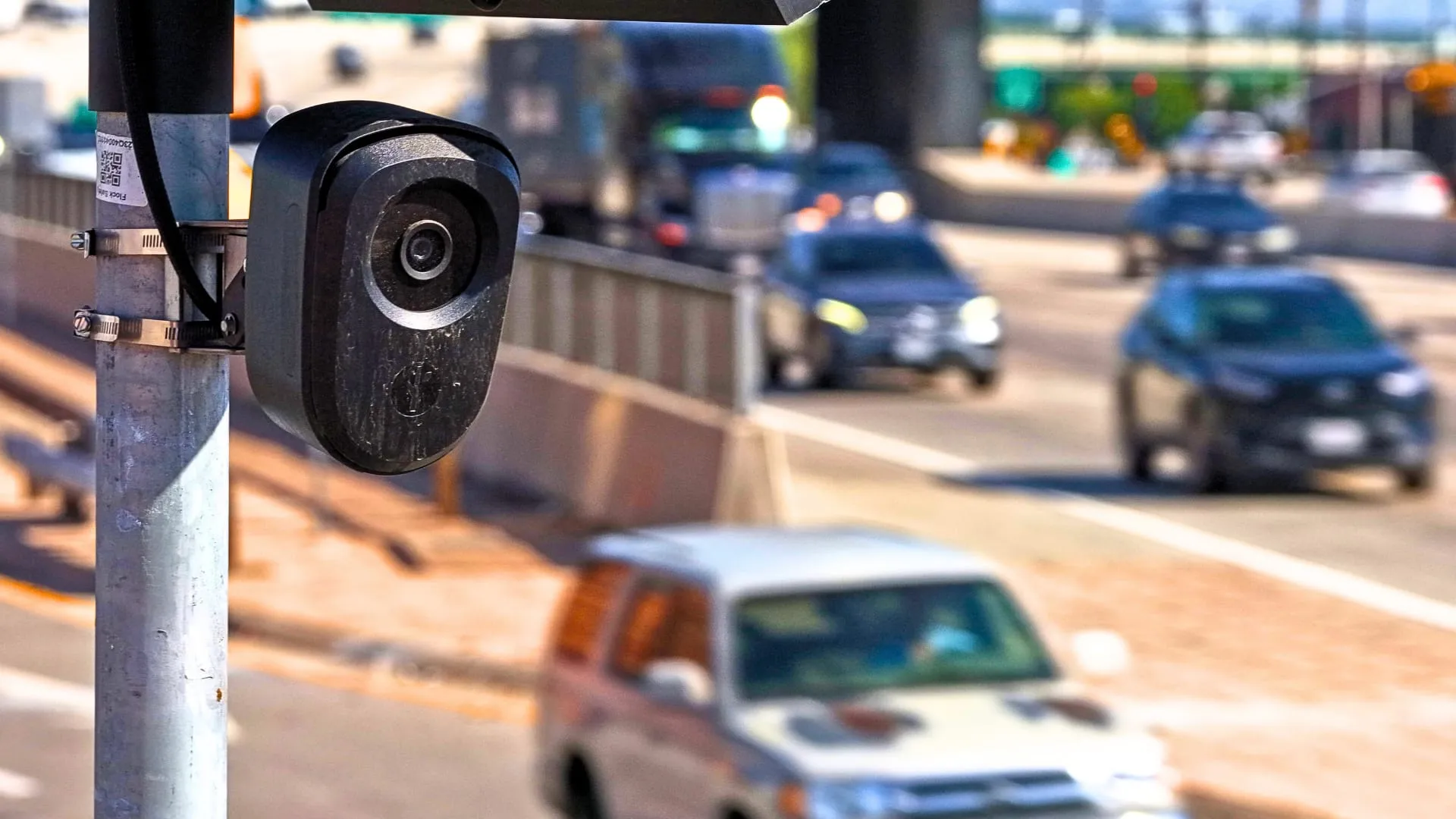
Long before the rise of ubiquitous digital mapping, services like MapQuest were focused on navigation. Now, they are adding something far more intriguing: a Surveillance Layer. This latest update transforms familiar road maps into a guide for the unseen eyes watching our communities, plotting the locations of numerous license plate readers and outdoor surveillance cameras.
The feature allows users to activate this layer to view the locations of devices from a wide array of vendors, including Flock Safety, Motorola Solutions (Vigilant), Genetec, Axis Communications, Axon, and many others. Essentially, the map now points out where the digital surveillance infrastructure resides, giving drivers a way to potentially avoid detection by automatic license plate recognition (ALPR) systems.
While the promise is a simple tool for personal security—a way to navigate around known camera zones—the reality of this technology sparks a deep and complex debate about privacy. For many residents, these systems are viewed less as safety tools and more as a massive invasion of personal freedom.
The tension between public safety and individual privacy is stark. Law enforcement and city officials often argue that these systems are essential for tracking potential criminals and enhancing public safety. However, critics point to real-world incidents where these technologies have been used to cause controversy, including administrative mistakes and the potential for police to misuse tracking data in ways that undermine public trust.
The controversy is amplified by the broader implications of interconnected surveillance. Discussions often focus on how these systems—whether deployed by police or private entities—connect into wider federal or national networks, raising serious questions about data handling and warrant requirements.
The concerns are not just theoretical. There have been reports of police officers abusing systems like ALPR, and instances of administrative errors leading to the unwarranted detention of innocent individuals, highlighting the potential pitfalls when powerful tracking technology meets human decision-making.
This feeling of vulnerability extends beyond official systems. When custom systems are developed, like the “Flock-like” cameras built by some creators, it brings the privacy concerns to the forefront. Even if a feature on a map helps you navigate around an ALPR camera, if your destination is under heavy camera coverage, you might be forced to pass through one and be detected.
Ultimately, the development of these surveillance layers forces us to confront the paradox of modern life: we seek safety through constant monitoring, but the cost of that constant vigilance is a significant trade-off for our personal privacy. As technology continues to evolve, the crucial conversation must focus on how we balance the undeniable need for security with the fundamental right to live without constant, invisible observation.
Buy on Amazon
Credit
