Flock drones respond as first responders amid privacy fears
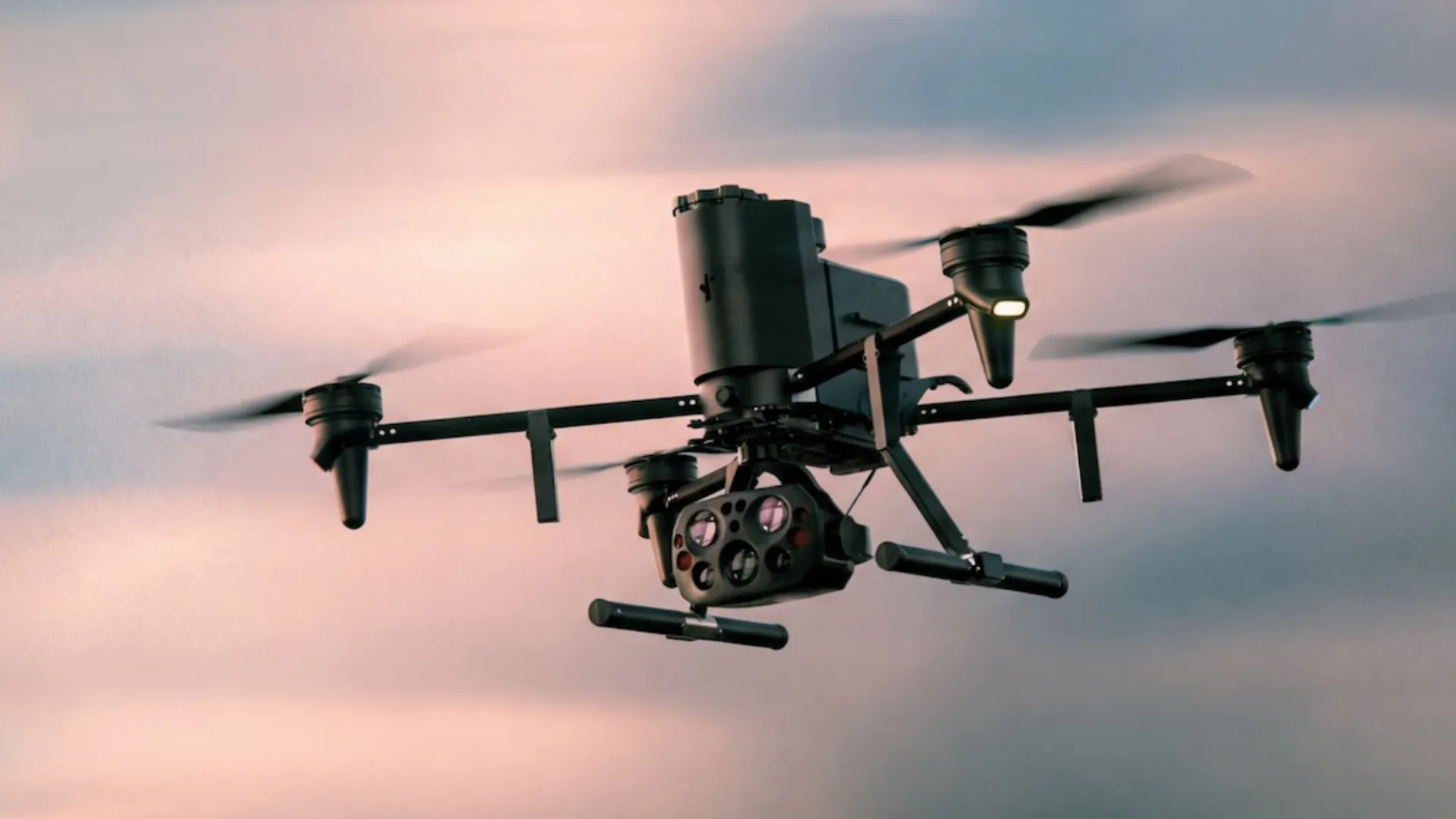
Imagine a future where an emergency call doesn’t just trigger a dispatch, but instantly summons a response. This isn’t science fiction; it is the emerging reality for several U.S. municipalities experimenting with Flock’s Drones-as-First-Responder (DFR) system. These innovative units use remotely operated drones, launched directly from rooftop docks, to revolutionize how emergency services are initiated.
The technology integrates seamlessly into existing emergency systems, capable of deploying drones in response to critical triggers, whether that is a 911 call, a license-plate reader notification, or a gunshot detection alert. Once airborne, these drones stream live, high-definition footage directly to dispatchers and field officers, offering an unprecedented visual advantage in fast-moving situations.
Flock’s journey into this space began with the acquisition of the drone firm Aerodome, bringing advanced video and thermal imaging capabilities to the forefront. This innovative approach is mirrored by other startups developing similar solutions, some leveraging technologies like Starlink to achieve expanded operational ranges and automated battery swapping, allowing these response units to operate far beyond traditional base station limits.
The potential for rapid response has already shown tangible results. Cities like Fort Worth, Texas, have successfully run pilot programs, demonstrating the system’s effectiveness. During one two-month trial, the DFR unit responded to 162 emergency calls, achieving an impressive average response time of just 112 seconds. In some instances, the drones were able to arrive at the scene and even clear emergencies without the need for immediate officer deployment.
Beyond mere speed, the system was designed to be hyper-localized. Authorities noted that the drones are not tasked with general aerial patrolling; their cameras are aimed toward the horizon until they reach the incident, ensuring the focus remains squarely on the emergency at hand.
However, as this technology moves from pilot programs to public deployment, a significant tension emerges. While emergency responders see undeniable utility, public trust remains the biggest hurdle. Concerns center not on the drones themselves, but on data governance and privacy. Some cities have outright rejected offers to expand the service, citing fears that the vast amounts of data collected could be accessed by federal authorities without proper legal oversight.
This tension is further complicated by controversies surrounding the underlying technology. Reports have surfaced regarding the potential misuse of Flock’s AI license-plate reader system, leading to concerns about stalking and privacy invasion. Despite the company’s assurances regarding data security and its claimed distance from agencies like ICE, skepticism persists about whether the promise of public safety outweighs the inherent risks of pervasive surveillance.
Ultimately, the future of drone-based first response hinges less on technological capability and more on institutional trust. For DFR systems to truly succeed, authorities must address these fundamental concerns, ensuring that the powerful tools deployed in the sky serve the community without eroding the public’s fundamental right to privacy.
Buy on Amazon
Credit
