Flock seeks to erase security researchers’ camera map
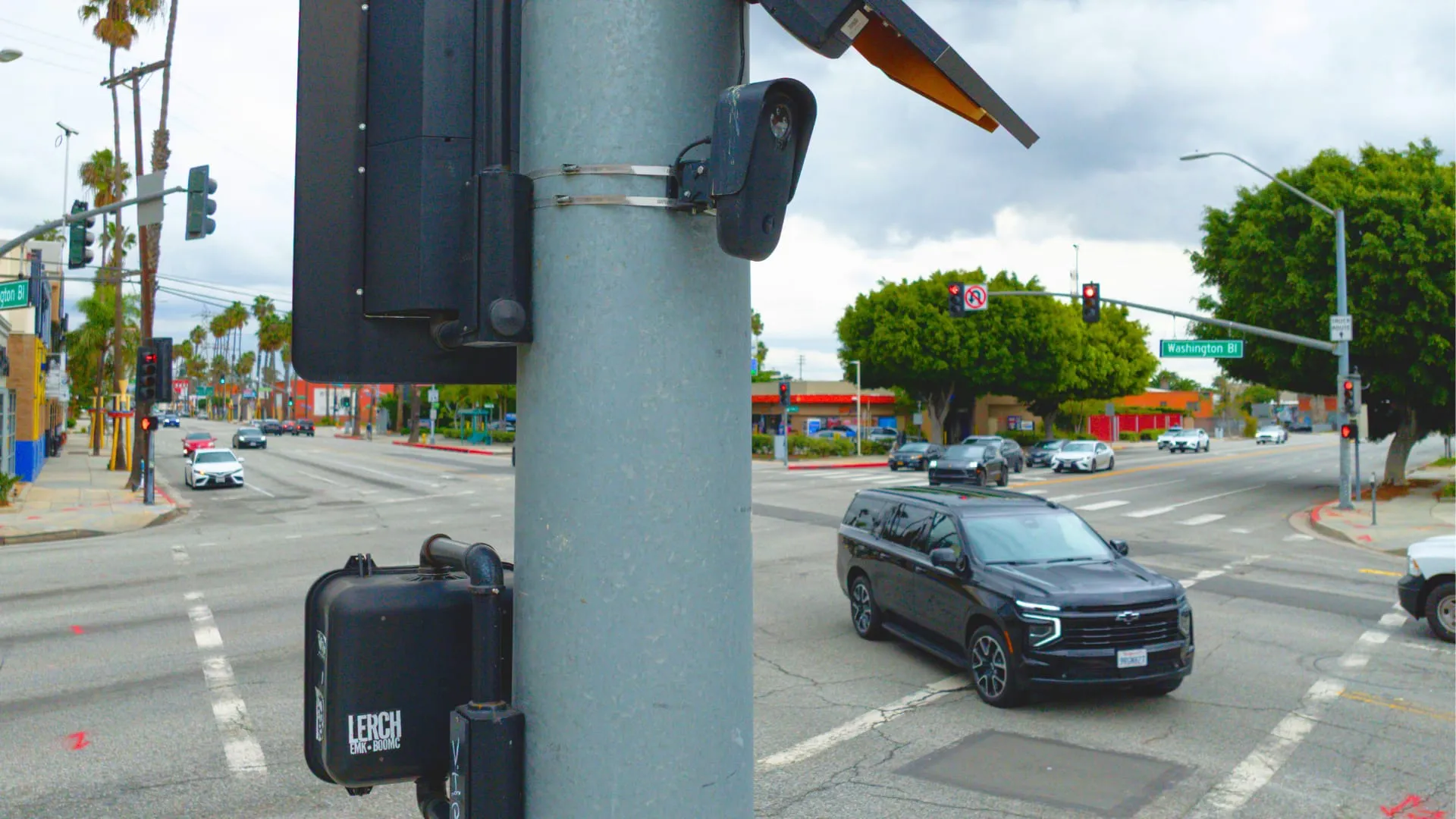
In a fascinating collision between corporate security claims and real-world privacy, a security researcher uncovered a significant loophole in the systems of the widely deployed Flock camera network. This vulnerability allowed the researcher to access an access token without needing any login credentials, providing a gateway to a vast amount of surveillance data.
Armed with this access, the researcher didn’t just find a flaw; they leveraged it to build a comprehensive map. By querying third-party geospatial tools, the researcher was able to retrieve a database of Flock devices, ultimately compiling a map listing over 335,701 cameras and sharing it on a site known as the Flock Surveillance Map.
The situation quickly escalated into a legal and public dispute. Flock subsequently issued a trademark infringement complaint, aiming to force the removal of the surveillance map, positioning the company to demand that the researcher shut down the unauthorized website.
While the company maintained that the Flock Safety cloud platform had never experienced a data breach, the researcher argued that this denial did not reflect the reality of the exposure. The researcher pointed out that the ability to exfiltrate device location databases prior to the company’s alleged fix suggests a significant failure in transparency and detection.
The underlying concern goes beyond website mapping. The security vulnerability highlights deeper issues within the system itself. It has been revealed that Flock cameras store encryption keys directly on the device, which opens the door to serious concerns about misuse. Reports have surfaced regarding how the system has been used controversially, including instances where police officers used the license-plate reader system to stalk romantic partners or where car reviewers were detained based on mistaken reports.
More alarmingly, the ubiquity of the system raises profound questions about potential surveillance of personnel. The system’s reach could potentially track individuals moving near sensitive government facilities, including the Pentagon, FBI Headquarters, and various military bases. The proximity to these sensitive sites creates a statistical risk where individuals living within a twenty-mile radius face a significant probability of being recorded by Flock cameras.
This incident forces a critical re-evaluation of the cybersecurity measures employed by surveillance technology companies. It underscores the complex balance between corporate security assurances and the genuine privacy rights of citizens, especially when systems are integrated into sensitive public and governmental infrastructures.
Buy on Amazon
Credit
