Forced to prove brand loyalty just for hardware full price
The quest for the latest gaming hardware is often overshadowed by an unwelcome third party: the scalper. It is already a frustrating experience to secure sought-after components, and the practice of marking up prices for maximum profit only adds another layer of absurdity to the already complex world of PC and console purchasing. While some vendors are deploying elaborate anti-scalper measures, the resulting systems often feel less like a solution and more like an added layer of bureaucratic theater.
Take, for instance, Sony Japan’s approach to the highly coveted PS5 Pro. To even enter the lottery for an order, prospective buyers must register a local Sony account that demonstrates a commitment to gaming, requiring at least sixty hours of playtime on a previous PlayStation console. In theory, this seems like a sensible way to deter resellers and welcome genuine fans. In practice, however, locking access to expensive hardware behind a demanding brand loyalty test feels like a heavy-handed hurdle for someone simply looking to purchase a console.
This trend isn’t unique to console manufacturers. Valve, the developers behind Steam, recently implemented a similar reservation system for the launch of Steam Frame. To qualify, users must hold a Steam account in “good standing” and have made a purchase on the platform prior to a specific date. The vague nature of what constitutes an account being “in good standing” leaves many consumers scratching their heads regarding the actual intent behind these requirements.
While these measures are designed to create a fairer playing field, the fine print often leaves room for ambiguity. The core tension remains: how do you balance the need to protect legitimate buyers from predatory resellers with the desire for consumers to access hardware fairly and affordably?
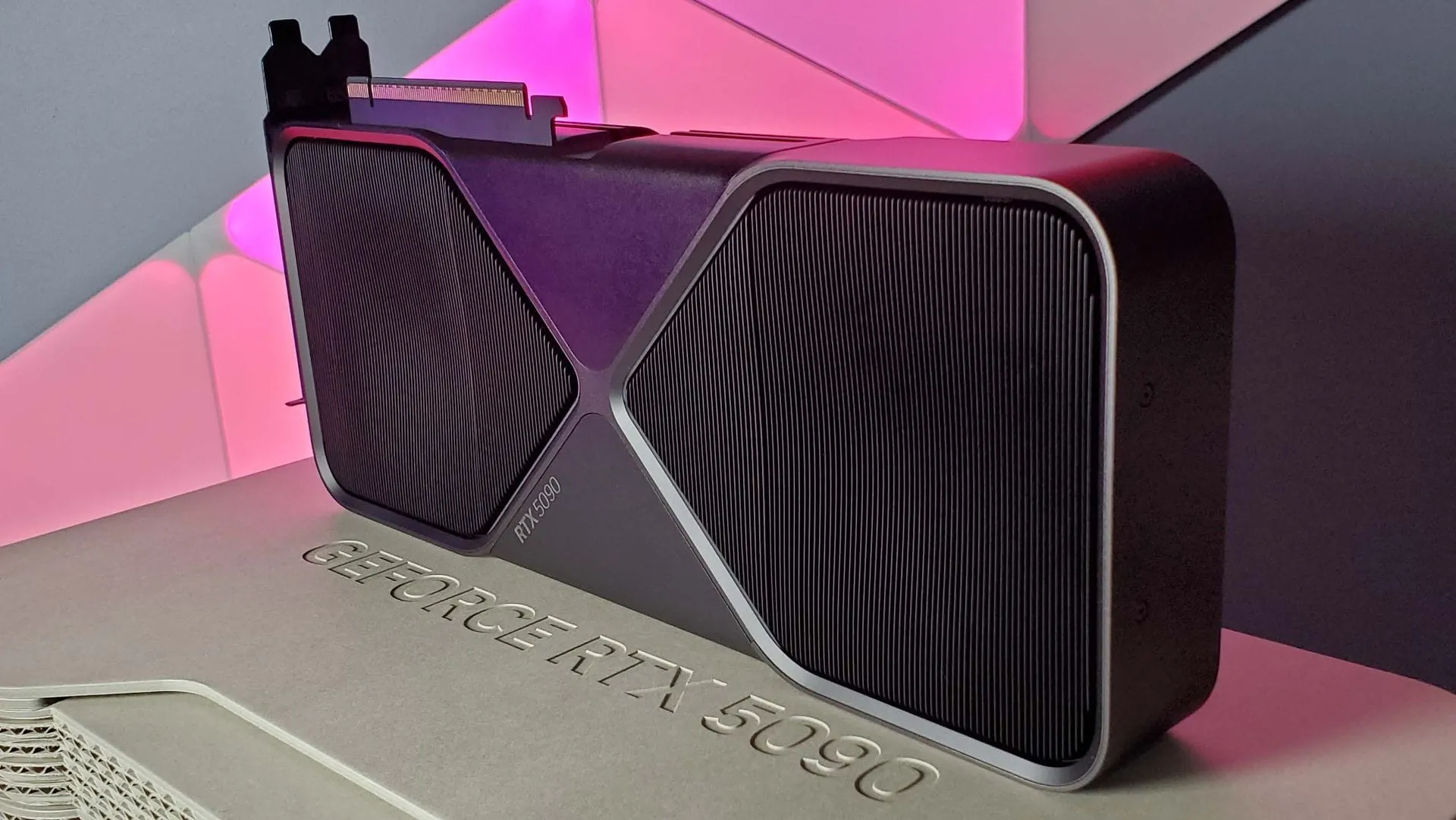
Meanwhile, the real-world alternatives for hardware enthusiasts often bypass these digital gatekeepers. Some enthusiasts find greater success by attending in-person events, such as QuakeCon or PAX West, where they can pursue verified priority access. This strategy allows for direct interaction and the chance to secure sought-after GPUs, like the RTX 5090, at the Manufacturer’s Suggested Retail Price (MSRP) through systems like Nvidia’s draw or Newegg’s Shuffle lottery.
Even hardware manufacturers are trying to carve out direct channels to consumers. For example, Zotac attempted to mitigate the scalping issue by selling RTX 50-series graphics cards directly to gamers through their Discord channel. This demonstrates a growing push for a more transparent and direct relationship between hardware makers and the end-user.
Ultimately, while reservation systems might successfully keep the worst scalpers out of the loop, they do not necessarily resolve the fundamental issue of high prices driven by supply shortages and demand. For hardware consumers, the lingering question is whether these elaborate digital barriers offer a genuinely better deal than simply navigating the market, or if they merely replace one set of frustrations with another.
Buy on Amazon
Credit
